 Business License

Aerobic fermentation of organic fertilizer using PTFE semi-permeable membrane
Aerobic Fermentation of Organic Fertilizer Using PTFE Semi-permeable Membrane
1. Introduction
PTFE semi-permeable membrane aerobic composting is an advanced closed aerobic fermentation technology for organic fertilizer production. Raw materials mainly include livestock manure, kitchen organic waste, crop straw, sludge and agricultural by-products. Compared with conventional open-air composting, the PTFE membrane-covered process effectively solves the prominent drawbacks of odor escape, rainwater intrusion, nutrient loss and unstable fermentation affected by ambient weather, realizing high-efficiency, low-pollution and harmless preparation of commercial organic fertilizer.
2. Technical Mechanism
The core is expanded PTFE microporous composite membrane with pore size 0.1–0.3 μm and multi-layer reinforced fabric structure, possessing selective permeability:
Outward permeation: Small-molecule CO₂ and water vapor generated by microbial respiration pass through membrane smoothly to prevent internal water accumulation and anaerobic decay.
Blocking effect: Macromolecular malodorous gases (ammonia, hydrogen sulfide), liquid mist, pathogens and dust are trapped inside the stockpile to avoid peripheral odor pollution.
Heat preservation: The sealed covering locks bio-heat from microbial decomposition, maintaining persistent high temperature of 55–70 ℃ inside compost piles to kill parasite eggs, pathogenic bacteria and weed seeds to meet harmless treatment standards.
Matching bottom forced aeration supplies continuous oxygen to sustain dominant aerobic microbial metabolism and accelerate organic humification.
3. Whole Production Flow
3.1 Raw material blending and conditioning
Mix high-moisture organic raw materials with carbon-rich amendments (straw, sawdust, bran residue). Adjust moisture content to 55%–65% and C/N ratio within 25:1~30:1; remove rigid impurities such as plastic and gravel by crushing and screening.
3.2 Pile building and membrane sealing
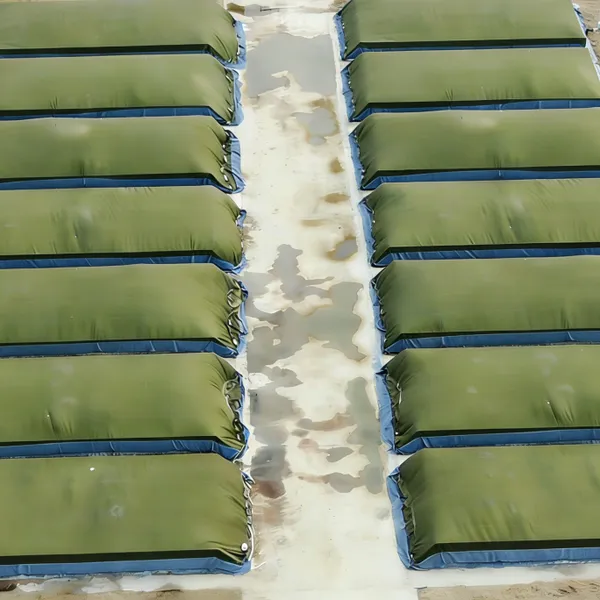
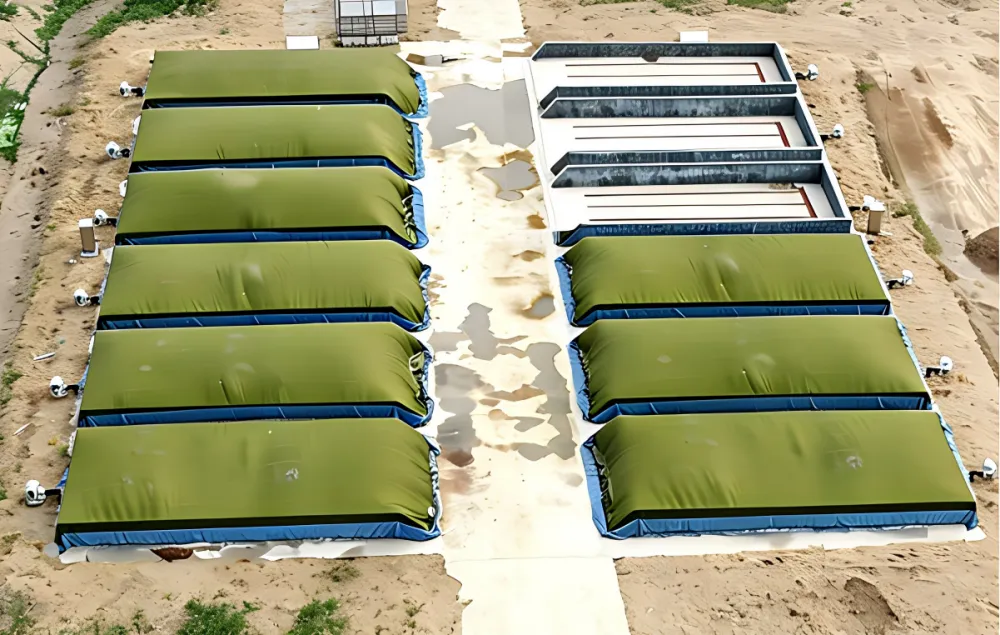
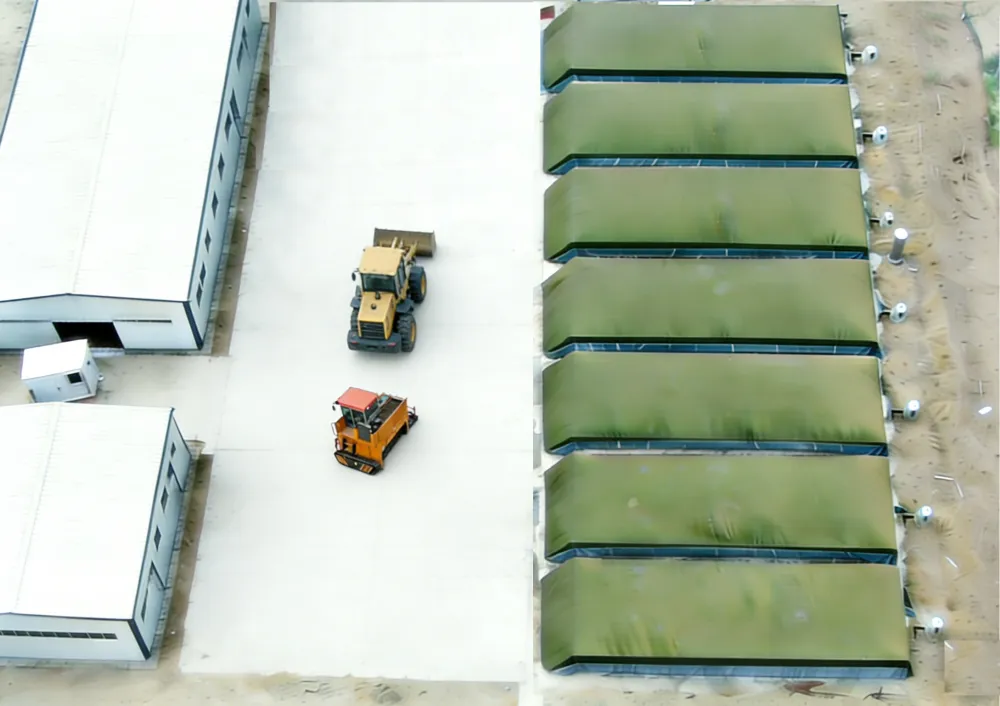
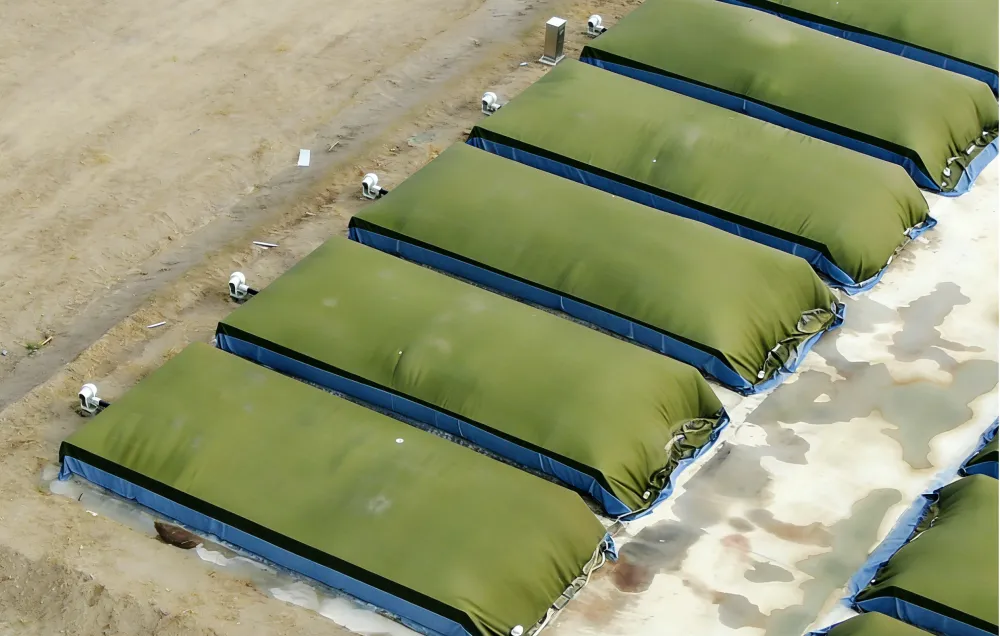
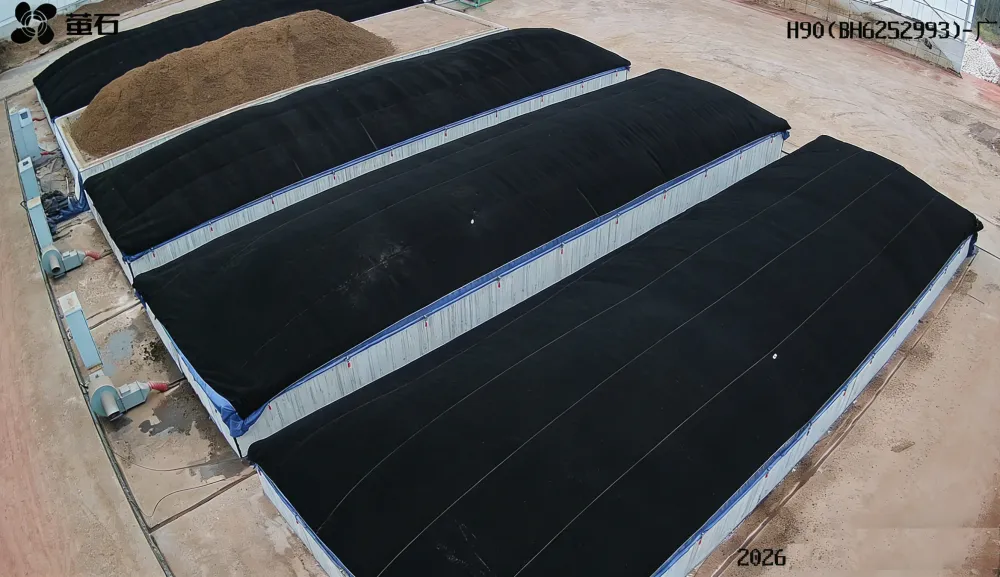
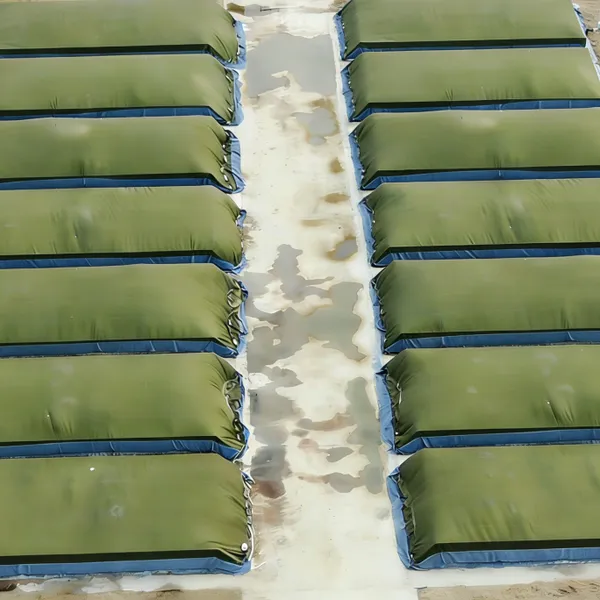
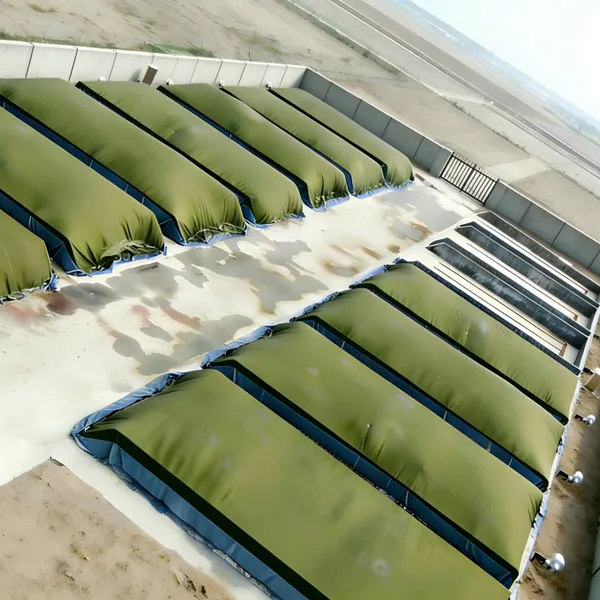
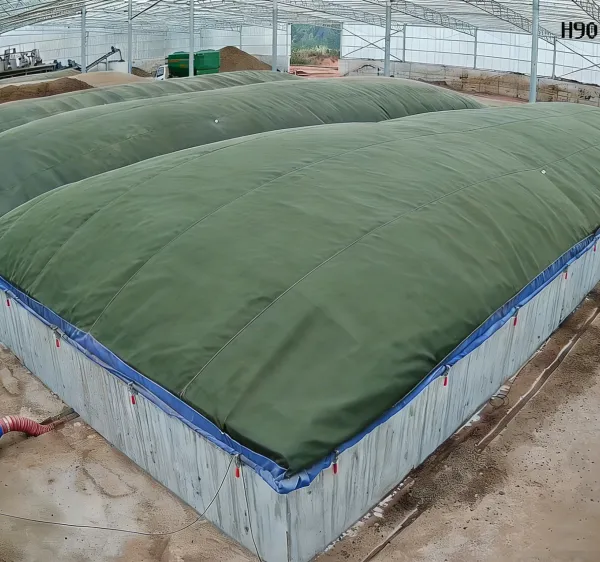
Arrange materials into regular strip compost piles above pre-laid aeration pipelines; fully cover and fix the entire pile surface with PTFE semi-permeable membrane to form an independent semi-closed fermentation space isolated from external environment.
3.3 Intelligent aerobic fermentation
The automatic aeration control system dynamically adjusts air supply volume based on real-time temperature, oxygen and humidity data of piles. Frequent mechanical turning is unnecessary. The conventional fermentation period is 18–30 days, far shorter than 50–80 days of traditional open composting. Continuous high-temperature stage over 7 days fulfills sanitary index requirements of organic fertilizer.
3.4 Maturation and deep processing
After primary high-temperature fermentation, materials enter post-ripening to stabilize humus. Finished compost can be crushed, sieved and granulated into powdery or granular finished organic fertilizer complying with national organic fertilizer standards.
4. Key Technical Superiorities
Environment-friendly: Over 95% odor interception rate; rain-proof design eliminates leachate generation from rain erosion.
High nutrient retention: Effectively inhibits nitrogen volatilization loss, nitrogen retention rate improves by 30%+ versus open compost to promote finished fertilizer quality.
Low running cost: Save large labor and fuel cost from repeated pile turning; PTFE membrane features corrosion resistance, ageing resistance and long service life.
All-weather operation: Stable production regardless of rainy, cold or high-temperature weather, improving site utilization efficiency.
5. Application Prospect
This technology is widely applied in breeding farms, organic fertilizer factories, rural domestic waste disposal stations and fruit & vegetable base supporting fertilizer processing. Driven by policies of waste resource recycling and chemical fertilizer reduction, PTFE membrane aerobic fermentation has become a mainstream clean production mode for organic fertilizer with broad market potential.
Recently Posted
-
ePTFE semi-permeable membrane aerobic fermentation of domestic waste into organic fertilizer GG
June 12, 2026ePTFE semi-permeable membrane aerobic fermentation of domestic waste into organic fertilizerEnglish VersionThis paper focuses on t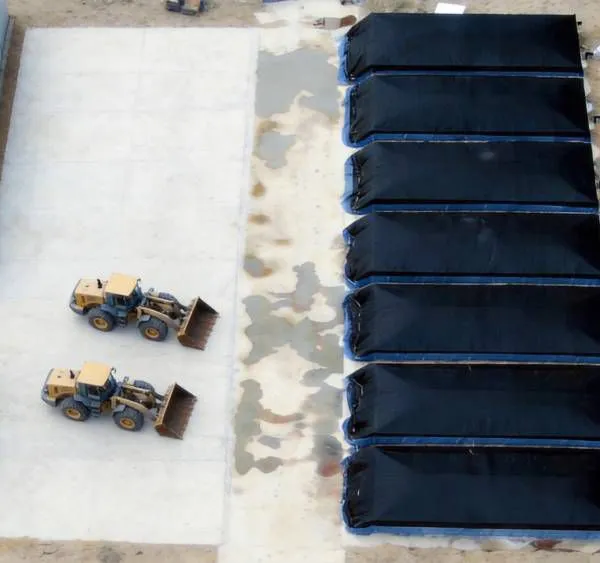 Read More
 -
USE ePTFE semi-permeable membrane aerobic fermentation of domestic waste into organic fertilizer
June 12, 2026ePTFE semi-permeable membrane aerobic fermentation of domestic waste into organic fertilizerEnglish VersionThis paper focuses on t Read More
 -
gegood ePTFE semi-permeable membrane aerobic fermentation of domestic waste into organic fertilizer
June 12, 2026ePTFE semi-permeable membrane aerobic fermentation of domestic waste into organic fertilizerEnglish VersionThis paper focuses on t Read More
 -
ePTFE semi-permeable membrane aerobic fermentation of domestic waste into organic fertilizer gegood
June 12, 2026ePTFE semi-permeable membrane aerobic fermentation of domestic waste into organic fertilizerEnglish VersionThis paper focuses on t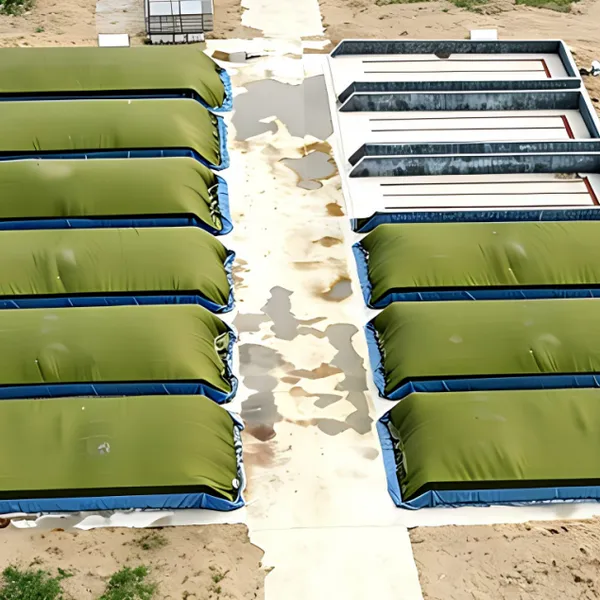 Read More

Contact Us
Recommended Products
-
 Gegood Fermentation of Household Waste Using PTFE Semi-permeable Membrane for Treatment CoverUS$ 5000MOQ: 1 Set
 -
Ferment Organic Fertilizer From Household Waste Using PTFE Semi-permeable Membrane of CoverUS$ 5000MOQ: 1 Set
-
Gegood Fermentation of Household Waste Using PTFE Semi-permeable Membrane for Treatment CoverUS$ 5000MOQ: 1 Set
-
Cover Gegood Fermentation of Household Waste Using PTFE Semi-permeable Membrane for TreatmentUS$ 5000MOQ: 1 Set
-
Aerobic Fermentation of Domestic Waste Using PTFE Semi-permeable Membrane of Gegood CoverUS$ 5000MOQ: 1 Set

-
Cover Gegood Fermentation of Household Waste Using PTFE Semi-permeable Membrane for TreatmentUS$ 5000MOQ: 1 Set
-
Ferment Organic Fertilizer From Household Waste Using PTFE Semi-permeable Membrane of CoverUS$ 5000MOQ: 1 Set
-
Cover Gegood Fermentation of Household Waste Using PTFE Semi-permeable Membrane for TreatmentUS$ 5000MOQ: 1 Set
-
PTFE Cover Semi-permeable Membrane Fermentation of Organic Fertilizer From Household WasteUS$ 5000MOQ: 1 Set
-
Gegood Cover Fermentation of Household Waste Using PTFE Semi-permeable Membrane for TreatmentUS$ 5000MOQ: 1 Set
-
Ferment Organic Fertilizer From Household Waste Using PTFE Semi-permeable Membrane Cover of GegoodUS$ 5000MOQ: 1 Set
-
Cover Fermentation of Household Waste Using PTFE Semi-permeable Membrane for TreatmentUS$ 5000MOQ: 1 Set
-
Gegood Ferment Organic Fertilizer Using PTFE Semi-permeable Membrane CoverUS$ 5000MOQ: 1 Set
-
Ferment Organic Fertilizer Using PTFE Semi-permeable Membrane Cover go reUS$ 5000MOQ: 1 Set
-
Aerobic Fermentation of Domestic Waste Using PTFE Semi-permeable Membrane go re CoverUS$ 5000MOQ: 1 Set
-
Ferment Organic Fertilizer Using PTFE Semi-permeable Membrane CoverUS$ 5000MOQ: 1 Set
-
Gegood Fermentation of Household Waste Using PTFE Semi-permeable Membrane for Treatment CoverUS$ 5000MOQ: 1 Set
-
Fermentation of Household Waste Using PTFE Semi-permeable Membrane Cover for TreatmentUS$ 5000MOQ: 1 Set
-
Gegood Cover Fermentation of Household Waste Using PTFE Semi-permeable Membrane for TreatmentUS$ 5000MOQ: 1 Set
-
Gegood Ferment Organic Fertilizer Using PTFE Semi-permeable Membrane CoverUS$ 5000MOQ: 1 Set