 Business License

Ferment organic fertilizer (domestic waste, feces) using semi-permeable membrane
This document elaborates on the efficient fermentation technology for organic wastes including household domestic waste and animal & human feces based on semi-permeable membrane separation and fermentation coupling technology, covering working principle, technological process, core advantages, practical application and industrial limitations of this novel waste disposal method.
1. Basic Overview
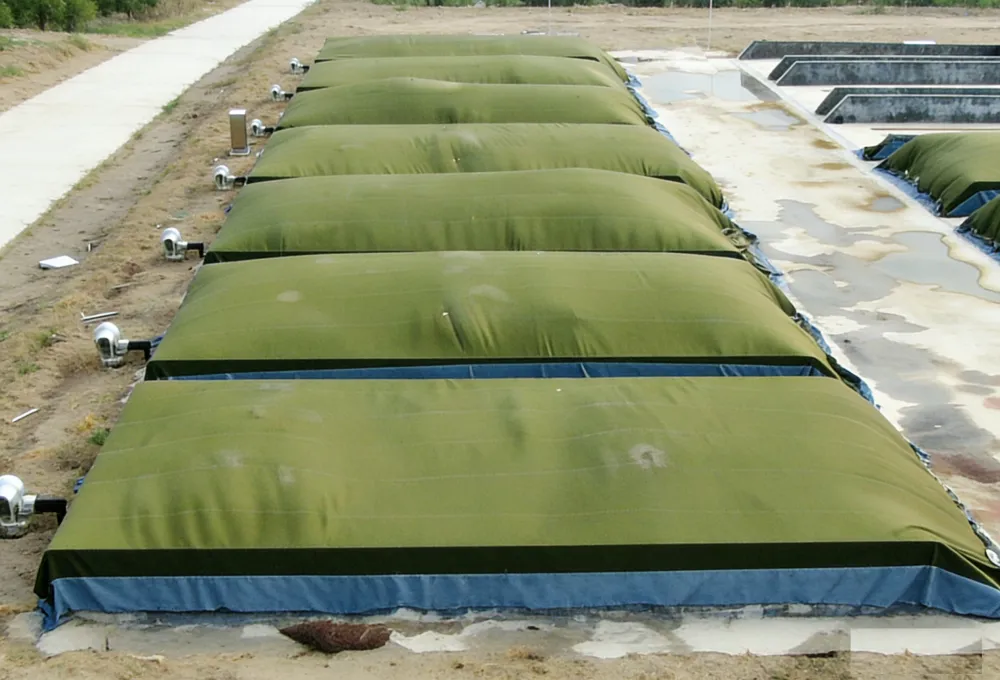
Semi-permeable membrane-assisted organic waste fermentation is an upgraded solid-state anaerobic/aerobic co-fermentation technology tailored for high-moisture, impurity-rich biodegradable organic wastes. The target treatment raw materials cover two mainstream domestic organic solid wastes: sorted kitchen domestic waste, residual household organic debris, as well as livestock manure, rural domestic feces and sanitary sewage fecal sludge. Different from traditional open composting and sealed tank fermentation, this technology adopts selective semi-permeable membrane cladding or membrane module isolation to wrap fermentation piles and reaction units, realizing directional material exchange and microbial fermentation regulation without manual ventilation and frequent material turning.
2. Core Working Principle
The applied semi-permeable membrane owns selective molecular interception and gas-liquid separation properties: it blocks macromolecular organic particles, pathogenic bacteria, parasitic ovum, malodorous volatile solid pollutants and fly insect vectors inside the fermentation system completely; meanwhile, it allows oxygen, water vapor, carbon dioxide and fermentation metabolic small-molecule gas to penetrate the membrane freely for gas circulation and moisture balance. For mixed substrates of domestic organic waste and feces, indigenous thermophilic bacteria, cellulolytic bacteria and methanogenic microbes in fecal sludge and kitchen waste are enriched stably inside the membrane closed system. Under constant micro-positive pressure and stable temperature built by the membrane isolation layer, organic macromolecules such as cellulose, protein, grease and undigested organic residues in feces are decomposed efficiently via microbial hydrolysis, acidification and mineralization reactions.
3. Standard Fermentation Process
Pretreatment of Raw Materials: Sort domestic waste to remove plastic, glass and inorganic inert impurities; adjust carbon-nitrogen ratio (C/N) of mixed domestic waste and feces to 25:1-30:1, regulate water content to 55%-65% to fit microbial growth demands;
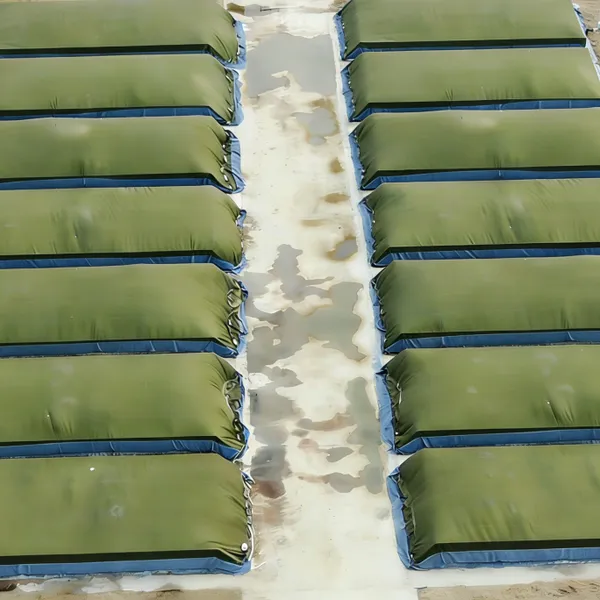
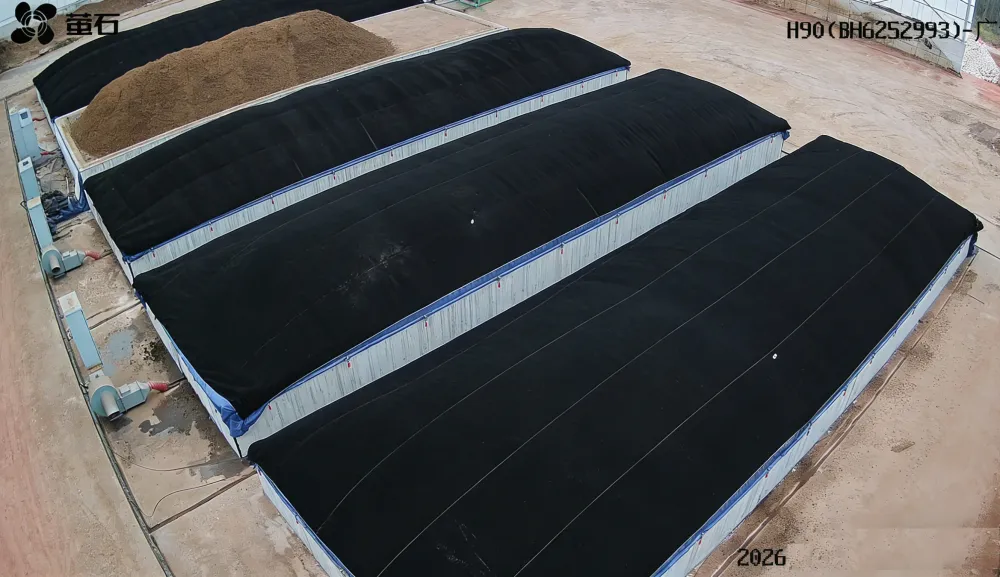
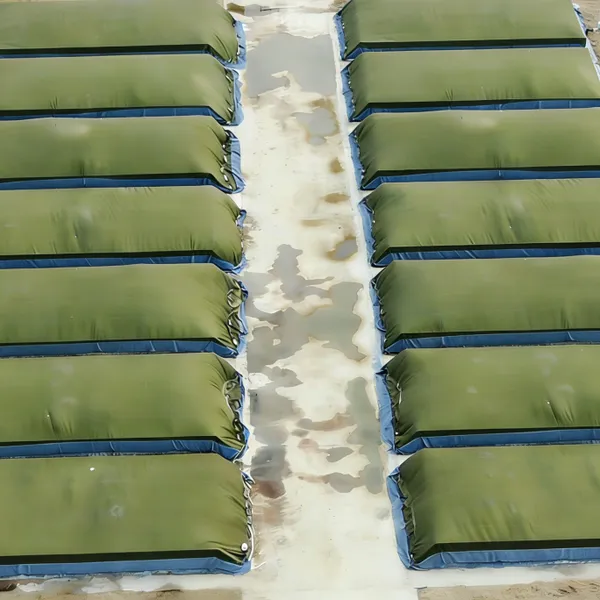
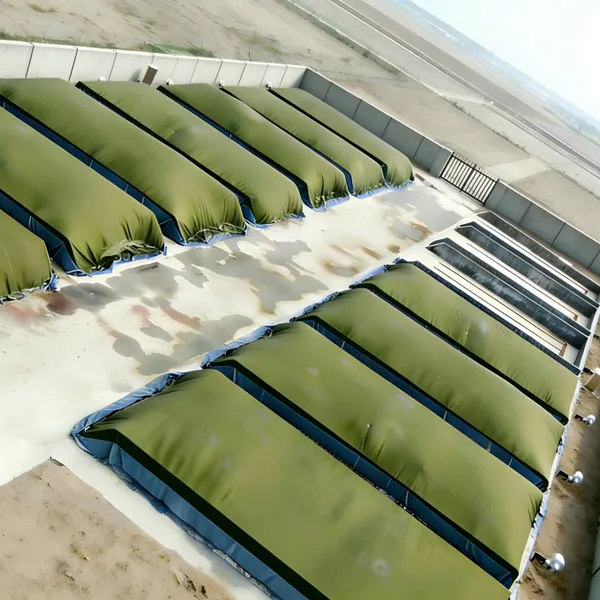
Material Mixing and Pile Building: Uniformly blend pretreated organic waste and fecal substrate, build strip-type fermentation piles in centralized disposal workshops;
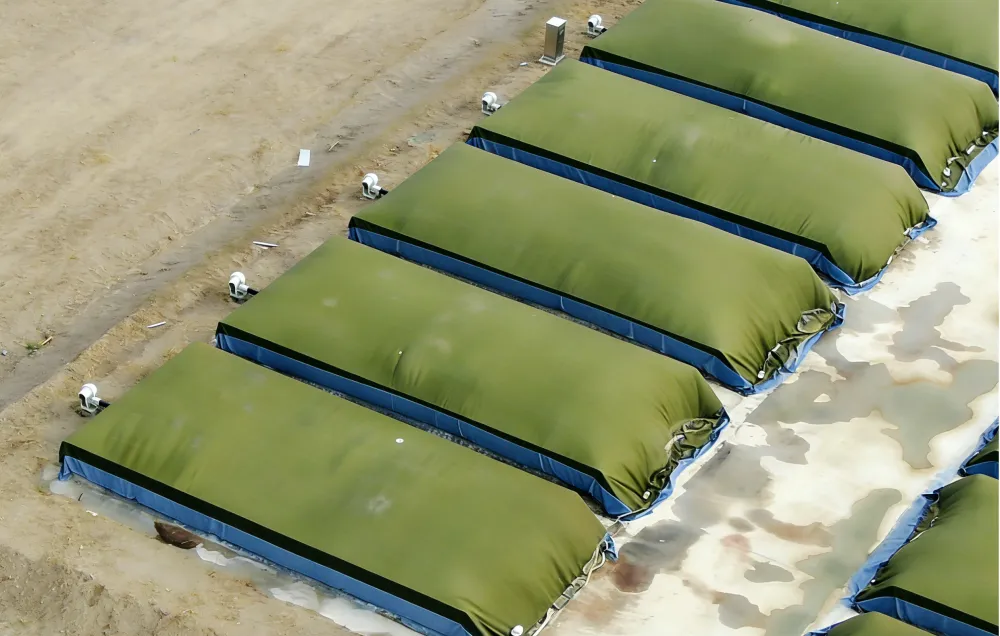
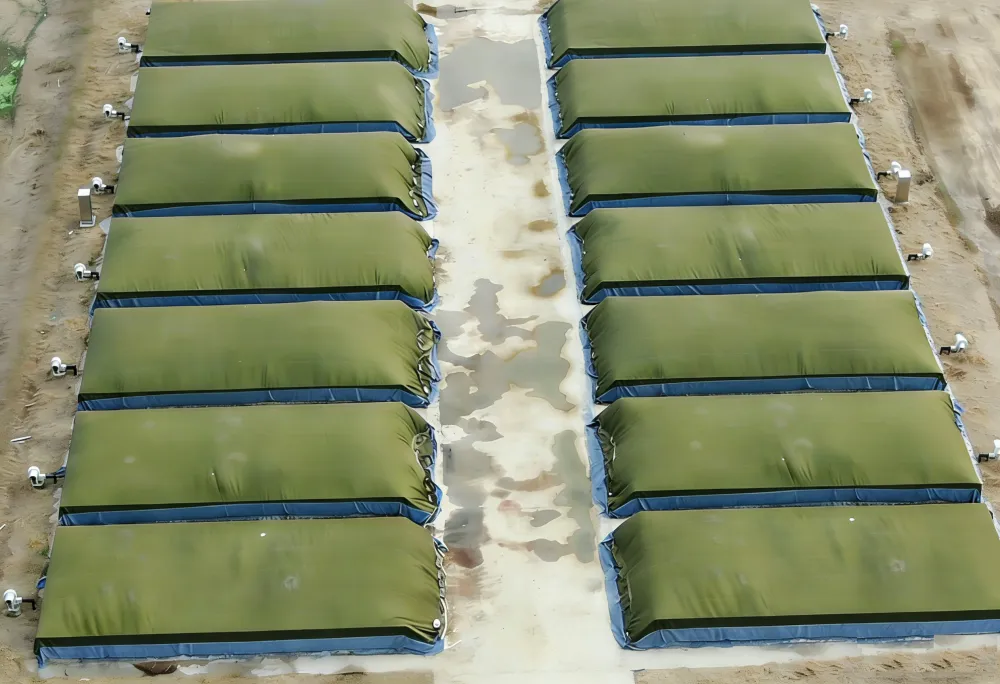
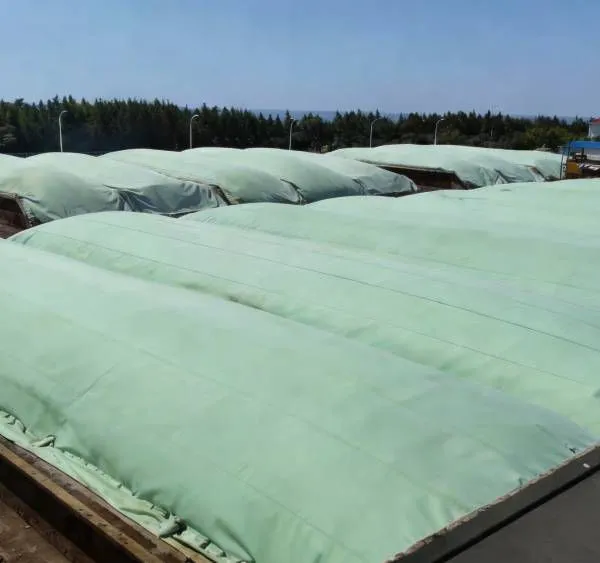
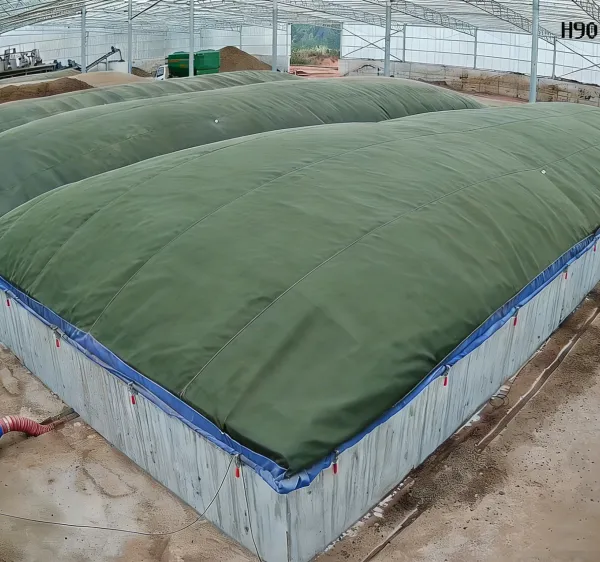
Semi-Permeable Membrane Covering and Sealing: Cover the whole fermentation pile with breathable hydrophobic semi-permeable membrane, fix membrane edges to form an independent closed fermentation cabin;
Constant-Temperature Fermentation Maturation: Conduct 15-22 days thermophilic fermentation automatically; the internal pile temperature rises to 55-70 ℃ relying on microbial heat generation, realizing harmless sterilization of fecal pathogens and waste harmful bacteria;
Post-Treatment of Fermentation Products: After fermentation stabilization, uncover the membrane, crush and screen matured materials to obtain bio-organic fertilizer raw materials.
4. Key Technical Advantages
Strong Odor Suppression: The compact semi-permeable membrane locks ammonia gas, hydrogen sulfide and other odor gas generated by feces and decaying domestic waste internally drastically, cutting off peripheral air pollution and solving odor nuisance of traditional feces-waste mixed fermentation;
Efficient Harmless Disposal: High-temperature constant fermentation environment inside the membrane thoroughly kills fecal coliforms, roundworm eggs and household waste pathogens, meeting agricultural waste harmless discharge standards;
Labor and Cost Saving: Cancel mechanical aeration and regular pile turning procedures required by conventional composting systems; the membrane maintains stable internal fermentation microenvironment, reducing operation energy consumption and manual maintenance costs;
High Resource Utilization Rate: Mixed fermentation of carbon-rich domestic waste and nitrogen-rich feces optimizes nutrient proportion of final products; fermented products can be directly used as farmland base fertilizer, garden substrate and soil conditioner;
Weather Adaptability: Isolate external rainwater, dust and extreme temperature interference, applicable for outdoor and factory-scale disposal in rainy, cold and high-temperature areas.
5. Practical Application Scenarios
This membrane fermentation technology is highly suitable for decentralized rural domestic waste and domestic feces co-disposal, urban kitchen waste centralized treatment stations, livestock farm manure and household organic waste collaborative disposal projects. It is especially fit for small and medium-sized waste treatment sites with limited floor area and strict environmental emission requirements, avoiding secondary pollution caused by fecal leakage and organic waste seepage during traditional fermentation.
6. Existing Limitations and Optimization Directions
At present, the core limitations include easy membrane surface fouling caused by fecal viscous organic sludge, reduced gas permeability after long-term operation, and high cost of high-strength anti-corrosion semi-permeable membranes. Current industrial optimization focuses on developing anti-fouling composite semi-permeable membranes, matching regular low-pressure membrane cleaning technology, and optimizing proportion of domestic waste and fecal substrates to slow down membrane blockage, so as to prolong membrane service life and reduce overall project operation cost.
7. Environmental and Economic Value
Compared with incineration, landfill and traditional anaerobic tank digestion, semi-permeable membrane fermentation realizes low-carbon, decentralized and resource-based disposal of two typical organic pollutants: domestic waste and feces. It reduces landfill occupied land and methane greenhouse gas emission, eliminates feces-borne disease transmission risks, and produces low-cost bio-organic fertilizers to improve soil fertility, which achieves coordinated development of domestic environmental governance, rural sanitation improvement and circular agricultural economy.
Recently Posted
-
ePTFE semi-permeable membrane aerobic fermentation of domestic waste into organic fertilizer GG
June 12, 2026ePTFE semi-permeable membrane aerobic fermentation of domestic waste into organic fertilizerEnglish VersionThis paper focuses on t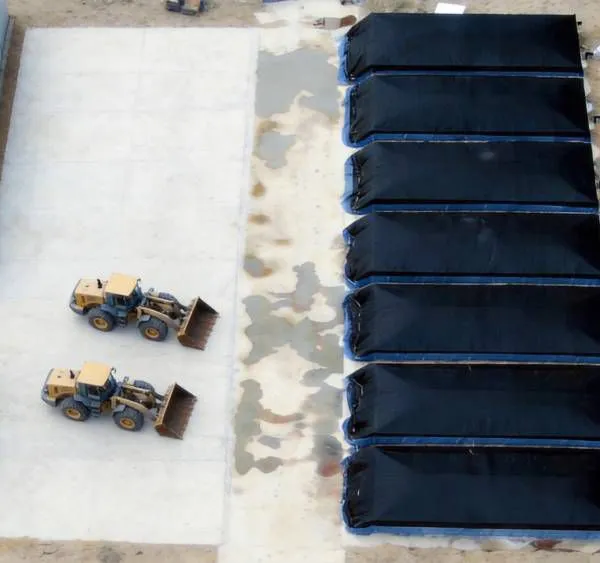 Read More
 -
USE ePTFE semi-permeable membrane aerobic fermentation of domestic waste into organic fertilizer
June 12, 2026ePTFE semi-permeable membrane aerobic fermentation of domestic waste into organic fertilizerEnglish VersionThis paper focuses on t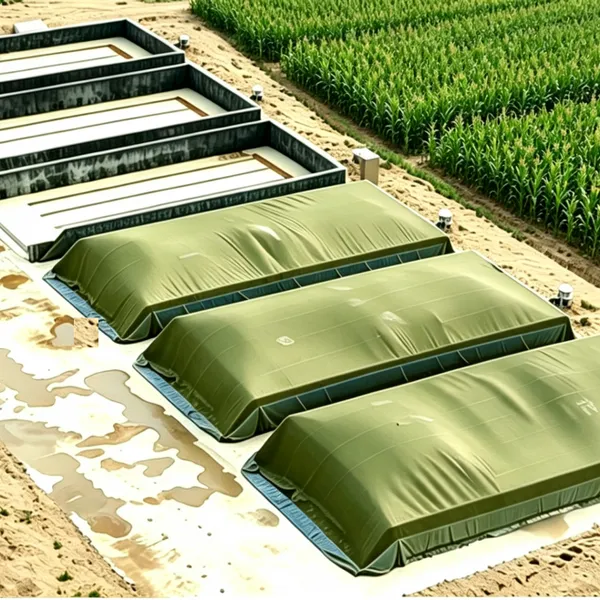 Read More
 -
gegood ePTFE semi-permeable membrane aerobic fermentation of domestic waste into organic fertilizer
June 12, 2026ePTFE semi-permeable membrane aerobic fermentation of domestic waste into organic fertilizerEnglish VersionThis paper focuses on t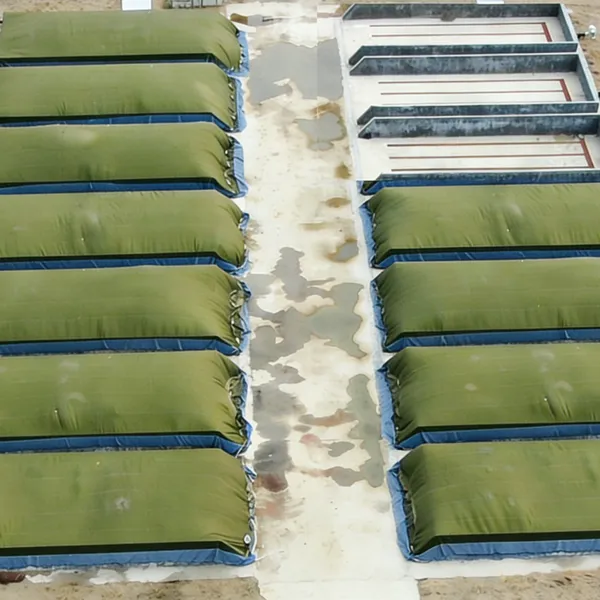 Read More
 -
ePTFE semi-permeable membrane aerobic fermentation of domestic waste into organic fertilizer gegood
June 12, 2026ePTFE semi-permeable membrane aerobic fermentation of domestic waste into organic fertilizerEnglish VersionThis paper focuses on t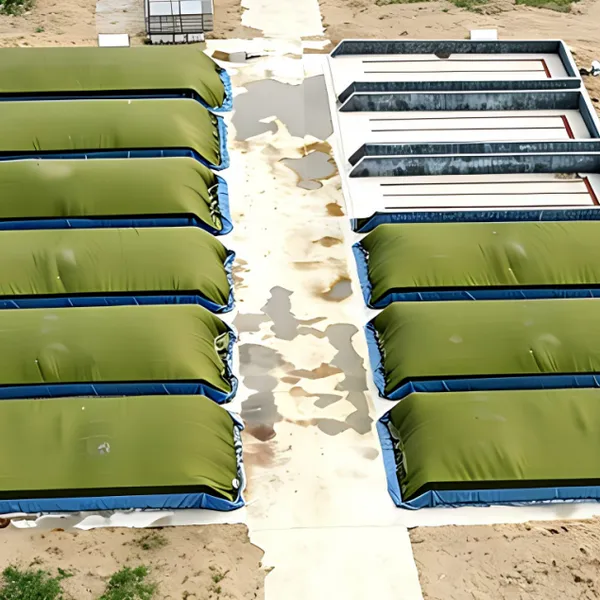 Read More

Contact Us
Recommended Products
-
 Gegood Fermentation of Household Waste Using PTFE Semi-permeable Membrane for Treatment CoverUS$ 5000MOQ: 1 Set
 -
Ferment Organic Fertilizer From Household Waste Using PTFE Semi-permeable Membrane of CoverUS$ 5000MOQ: 1 Set
-
Gegood Fermentation of Household Waste Using PTFE Semi-permeable Membrane for Treatment CoverUS$ 5000MOQ: 1 Set
-
Cover Gegood Fermentation of Household Waste Using PTFE Semi-permeable Membrane for TreatmentUS$ 5000MOQ: 1 Set
-
Aerobic Fermentation of Domestic Waste Using PTFE Semi-permeable Membrane of Gegood CoverUS$ 5000MOQ: 1 Set
-
Cover Gegood Fermentation of Household Waste Using PTFE Semi-permeable Membrane for TreatmentUS$ 5000MOQ: 1 Set
-
Ferment Organic Fertilizer From Household Waste Using PTFE Semi-permeable Membrane of CoverUS$ 5000MOQ: 1 Set
-
Cover Gegood Fermentation of Household Waste Using PTFE Semi-permeable Membrane for TreatmentUS$ 5000MOQ: 1 Set
-
PTFE Cover Semi-permeable Membrane Fermentation of Organic Fertilizer From Household WasteUS$ 5000MOQ: 1 Set
-
Gegood Cover Fermentation of Household Waste Using PTFE Semi-permeable Membrane for TreatmentUS$ 5000MOQ: 1 Set
-
Ferment Organic Fertilizer From Household Waste Using PTFE Semi-permeable Membrane Cover of GegoodUS$ 5000MOQ: 1 Set
-
Cover Fermentation of Household Waste Using PTFE Semi-permeable Membrane for TreatmentUS$ 5000MOQ: 1 Set
-
Gegood Ferment Organic Fertilizer Using PTFE Semi-permeable Membrane CoverUS$ 5000MOQ: 1 Set
-
Ferment Organic Fertilizer Using PTFE Semi-permeable Membrane Cover go reUS$ 5000MOQ: 1 Set
-
Aerobic Fermentation of Domestic Waste Using PTFE Semi-permeable Membrane go re CoverUS$ 5000MOQ: 1 Set
-
Ferment Organic Fertilizer Using PTFE Semi-permeable Membrane CoverUS$ 5000MOQ: 1 Set
-
Gegood Fermentation of Household Waste Using PTFE Semi-permeable Membrane for Treatment CoverUS$ 5000MOQ: 1 Set
-
Fermentation of Household Waste Using PTFE Semi-permeable Membrane Cover for TreatmentUS$ 5000MOQ: 1 Set
-
Gegood Cover Fermentation of Household Waste Using PTFE Semi-permeable Membrane for TreatmentUS$ 5000MOQ: 1 Set
-
Gegood Ferment Organic Fertilizer Using PTFE Semi-permeable Membrane CoverUS$ 5000MOQ: 1 Set