 Business License

GEGOODTECH Fermenting Household Waste Using ePTFE Semi-permeable Membrane
Fermenting Household Waste Using ePTFE Semi-permeable Membrane
English Introduction
Fermenting household waste using expanded Polytetrafluoroethylene (ePTFE) semi-permeable membrane is an innovative, eco-friendly aerobic fermentation technology for organic household waste disposal, which optimizes traditional kitchen waste and domestic organic garbage composting and fermentation processes via high-performance microporous membrane materials. The ePTFE semi-permeable membrane is a hydrophobic polymer functional material with uniform micro-pore structures (pore size ranging from 0.2 μm to 0.4 μm), featuring selective gas permeability, waterproof performance, high temperature resistance, corrosion resistance and ultraviolet aging resistance.
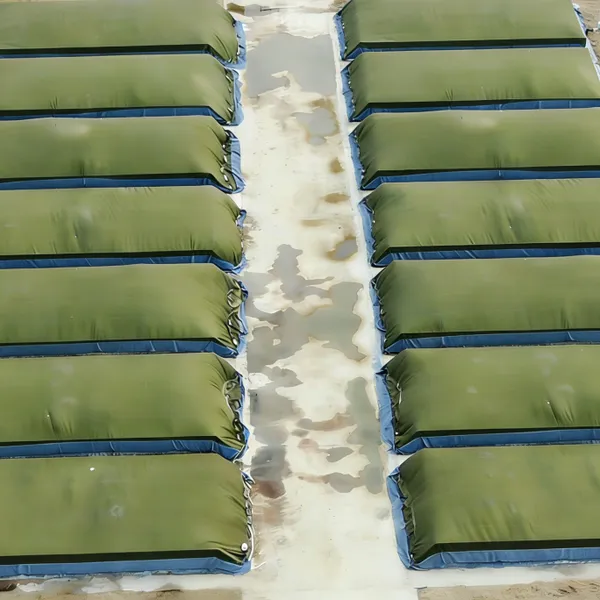
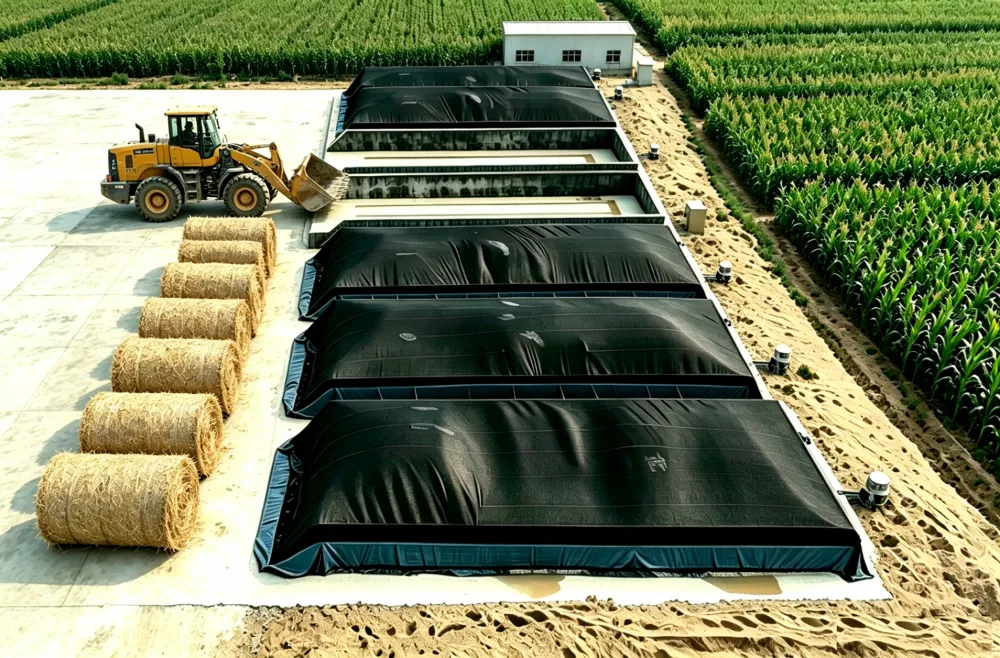
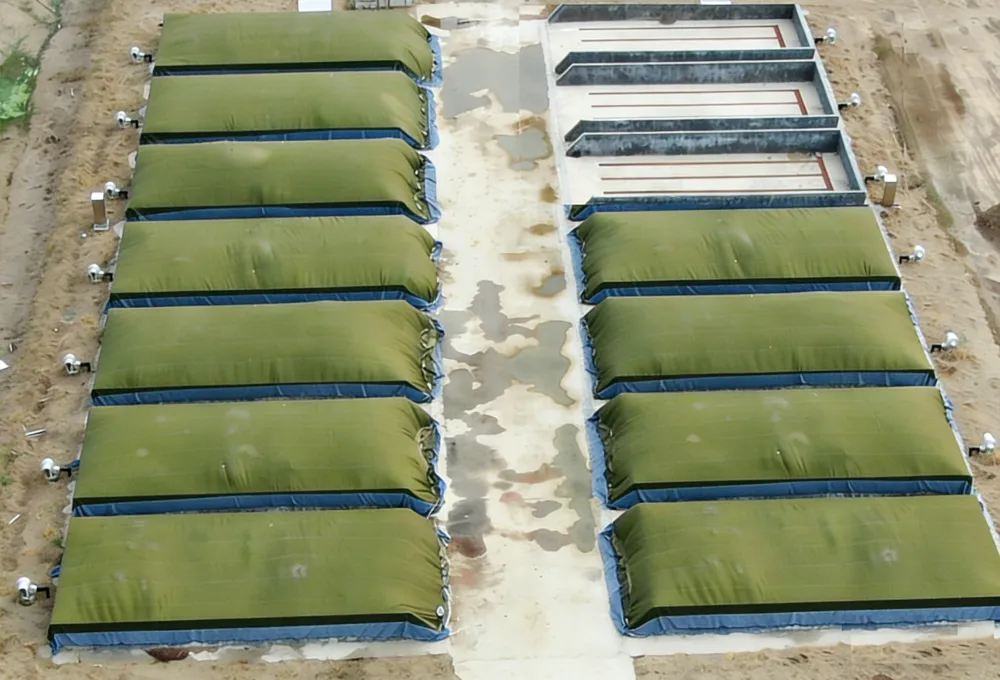
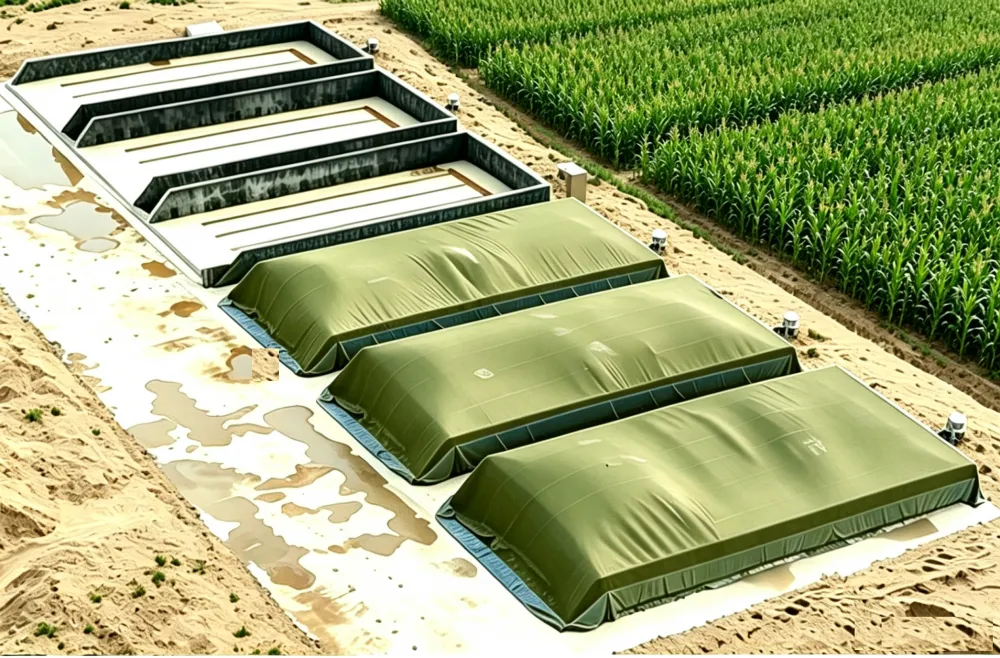
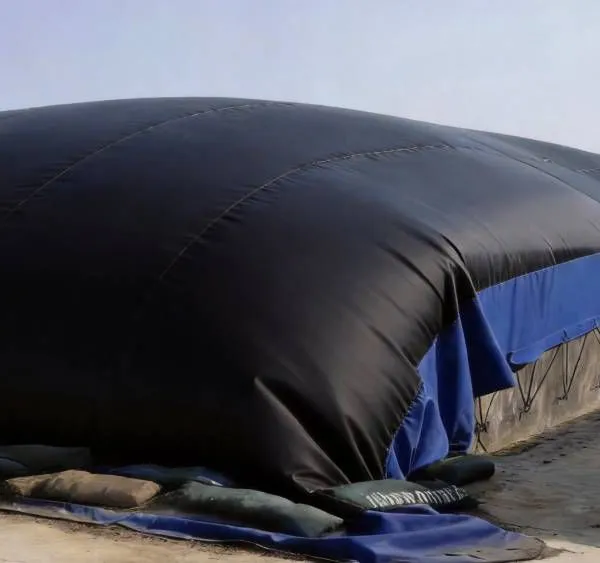
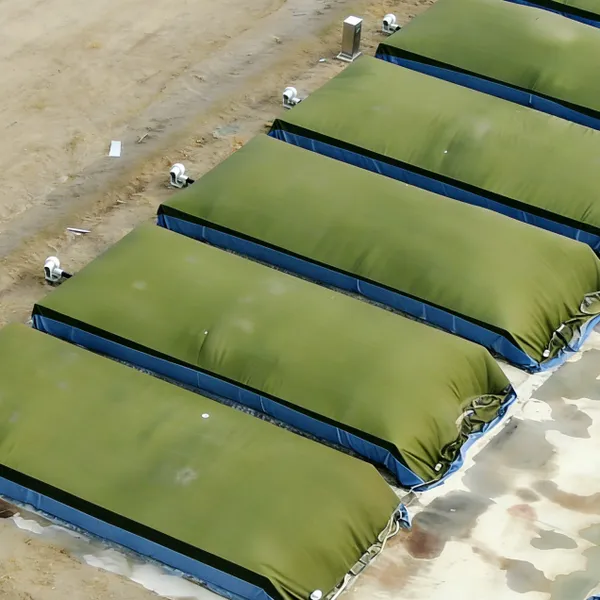
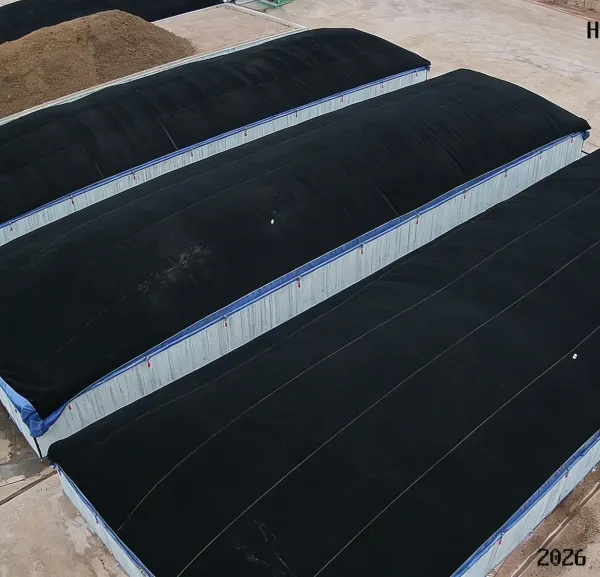
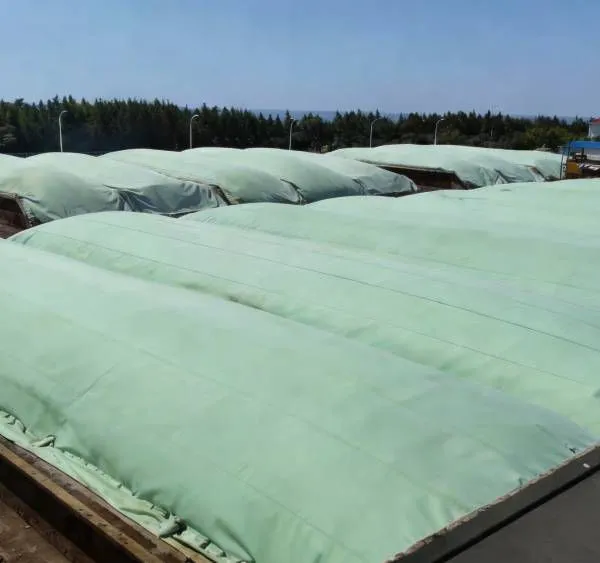
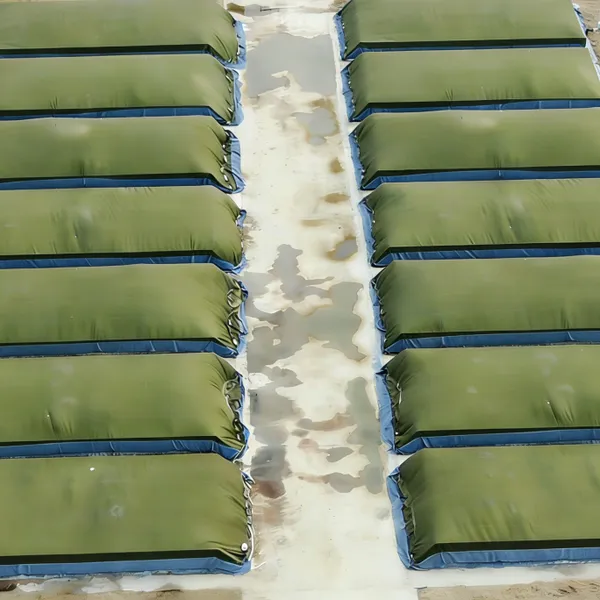
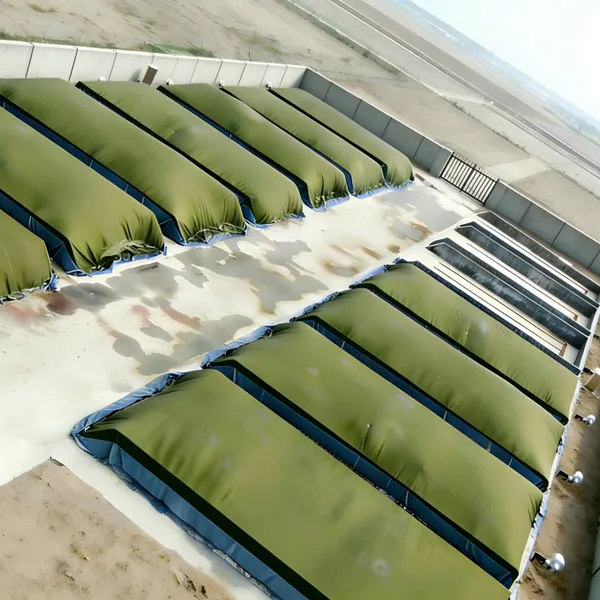
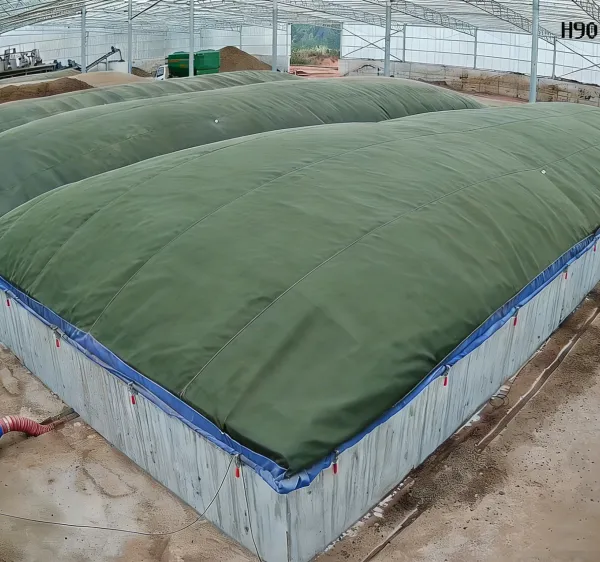
Different from conventional open-type household waste fermentation, this technology covers the household waste fermentation pile tightly with ePTFE semi-permeable membrane to build a closed and controllable fermentation micro-environment. Relying on its unique molecular screening effect, the membrane allows oxygen and water vapor required for microbial fermentation to penetrate freely to sustain the metabolic activity of thermophilic and mesophilic fermentation microorganisms. Meanwhile, it intercepts large-molecule odor gases such as ammonia, hydrogen sulfide and volatile organic compounds (VOCs), as well as leachate, pathogenic bacteria and dust particles, effectively cutting off secondary pollution to surrounding soil, air and water bodies.
During the fermentation process, the ePTFE membrane locks heat generated by organic matter biodegradation inside the pile, accelerating waste humification, shortening the fermentation cycle by 30%-50% compared with traditional processes, and realizing thorough harmless treatment of household waste. In addition, the membrane coverage reduces nitrogen and phosphorus nutrient loss in organic household waste dramatically, improving the fertility and commercial value of final fermented organic fertilizer. This technology adapts to decentralized domestic waste treatment in residential communities, suburban waste treatment stations and urban organic waste centralized disposal projects, with low operation cost, no auxiliary deodorization equipment and zero external flue gas discharge.
In terms of environmental governance and circular economy, the ePTFE membrane-assisted household waste fermentation technology solves core pain points of traditional waste fermentation including severe odor pollution, slow decomposition, unstable product quality and harsh site requirements. It complies with global low-carbon waste disposal and resource recycling policies, realizing harmless reduction of household waste and resource recovery of organic solid waste simultaneously.
Recently Posted
-
ePTFE semi-permeable membrane aerobic fermentation of domestic waste into organic fertilizer GG
June 12, 2026ePTFE semi-permeable membrane aerobic fermentation of domestic waste into organic fertilizerEnglish VersionThis paper focuses on t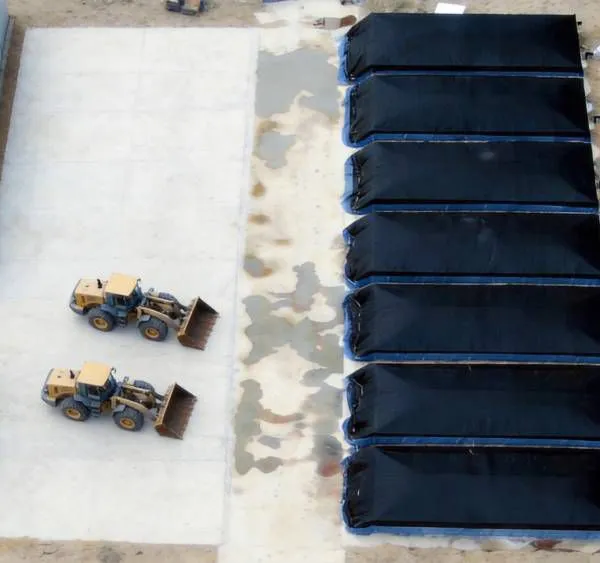 Read More
 -
USE ePTFE semi-permeable membrane aerobic fermentation of domestic waste into organic fertilizer
June 12, 2026ePTFE semi-permeable membrane aerobic fermentation of domestic waste into organic fertilizerEnglish VersionThis paper focuses on t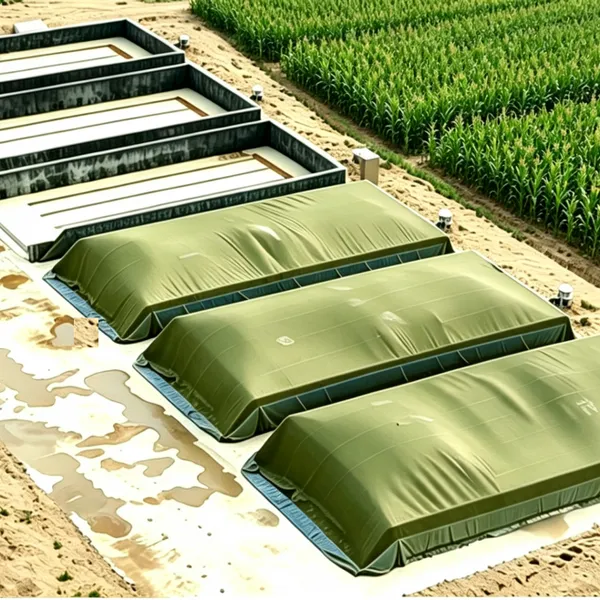 Read More
 -
gegood ePTFE semi-permeable membrane aerobic fermentation of domestic waste into organic fertilizer
June 12, 2026ePTFE semi-permeable membrane aerobic fermentation of domestic waste into organic fertilizerEnglish VersionThis paper focuses on t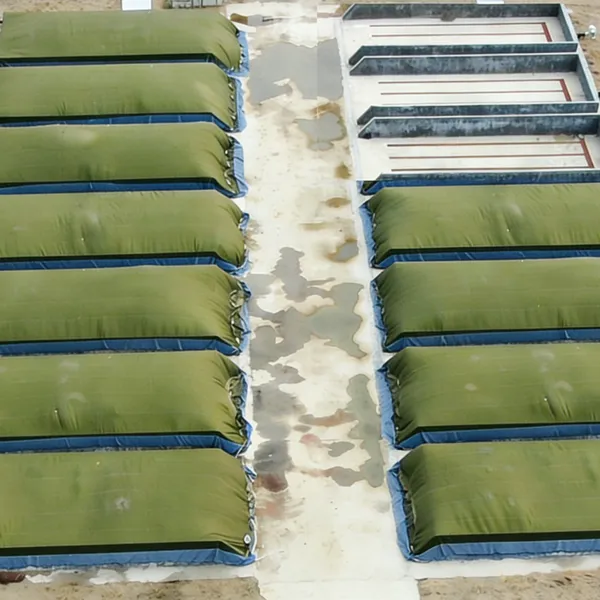 Read More
 -
ePTFE semi-permeable membrane aerobic fermentation of domestic waste into organic fertilizer gegood
June 12, 2026ePTFE semi-permeable membrane aerobic fermentation of domestic waste into organic fertilizerEnglish VersionThis paper focuses on t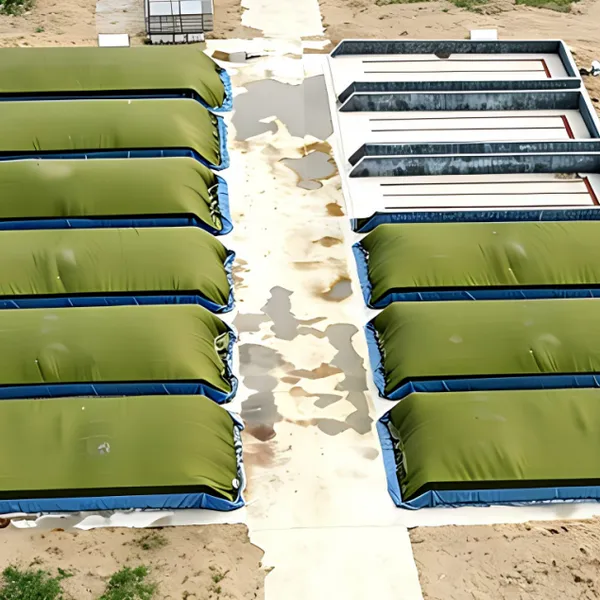 Read More

Contact Us
Recommended Products
-
 Gegood Fermentation of Household Waste Using PTFE Semi-permeable Membrane for Treatment CoverUS$ 5000MOQ: 1 Set
 -
Ferment Organic Fertilizer From Household Waste Using PTFE Semi-permeable Membrane of CoverUS$ 5000MOQ: 1 Set
-
Gegood Fermentation of Household Waste Using PTFE Semi-permeable Membrane for Treatment CoverUS$ 5000MOQ: 1 Set
-
Cover Gegood Fermentation of Household Waste Using PTFE Semi-permeable Membrane for TreatmentUS$ 5000MOQ: 1 Set
-
Aerobic Fermentation of Domestic Waste Using PTFE Semi-permeable Membrane of Gegood CoverUS$ 5000MOQ: 1 Set
-
Cover Gegood Fermentation of Household Waste Using PTFE Semi-permeable Membrane for TreatmentUS$ 5000MOQ: 1 Set
-
Ferment Organic Fertilizer From Household Waste Using PTFE Semi-permeable Membrane of CoverUS$ 5000MOQ: 1 Set
-
Cover Gegood Fermentation of Household Waste Using PTFE Semi-permeable Membrane for TreatmentUS$ 5000MOQ: 1 Set
-
PTFE Cover Semi-permeable Membrane Fermentation of Organic Fertilizer From Household WasteUS$ 5000MOQ: 1 Set
-
Gegood Cover Fermentation of Household Waste Using PTFE Semi-permeable Membrane for TreatmentUS$ 5000MOQ: 1 Set
-
Ferment Organic Fertilizer From Household Waste Using PTFE Semi-permeable Membrane Cover of GegoodUS$ 5000MOQ: 1 Set
-
Cover Fermentation of Household Waste Using PTFE Semi-permeable Membrane for TreatmentUS$ 5000MOQ: 1 Set
-
Gegood Ferment Organic Fertilizer Using PTFE Semi-permeable Membrane CoverUS$ 5000MOQ: 1 Set
-
Ferment Organic Fertilizer Using PTFE Semi-permeable Membrane Cover go reUS$ 5000MOQ: 1 Set
-
Aerobic Fermentation of Domestic Waste Using PTFE Semi-permeable Membrane go re CoverUS$ 5000MOQ: 1 Set
-
Ferment Organic Fertilizer Using PTFE Semi-permeable Membrane CoverUS$ 5000MOQ: 1 Set
-
Gegood Fermentation of Household Waste Using PTFE Semi-permeable Membrane for Treatment CoverUS$ 5000MOQ: 1 Set
-
Fermentation of Household Waste Using PTFE Semi-permeable Membrane Cover for TreatmentUS$ 5000MOQ: 1 Set
-
Gegood Cover Fermentation of Household Waste Using PTFE Semi-permeable Membrane for TreatmentUS$ 5000MOQ: 1 Set
-
Gegood Ferment Organic Fertilizer Using PTFE Semi-permeable Membrane CoverUS$ 5000MOQ: 1 Set