 Business License

gegood Aerobic Fermentation of Household Waste Using ePTFE Semi-permeable Membrane
Aerobic Fermentation of Household Waste Using ePTFE Semi-permeable Membrane
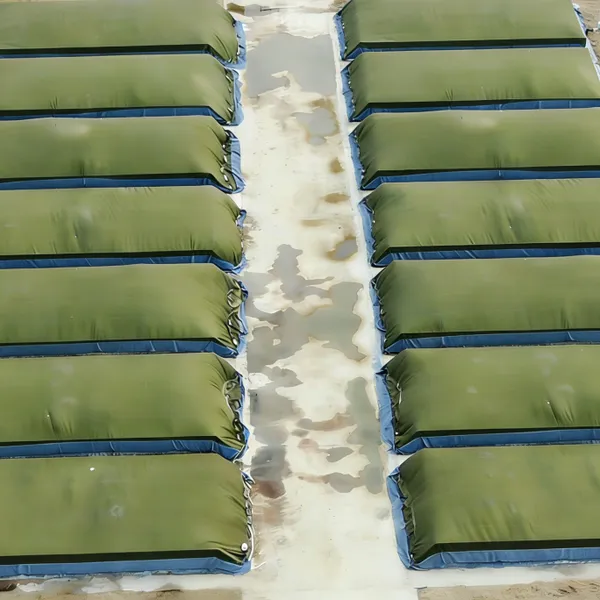
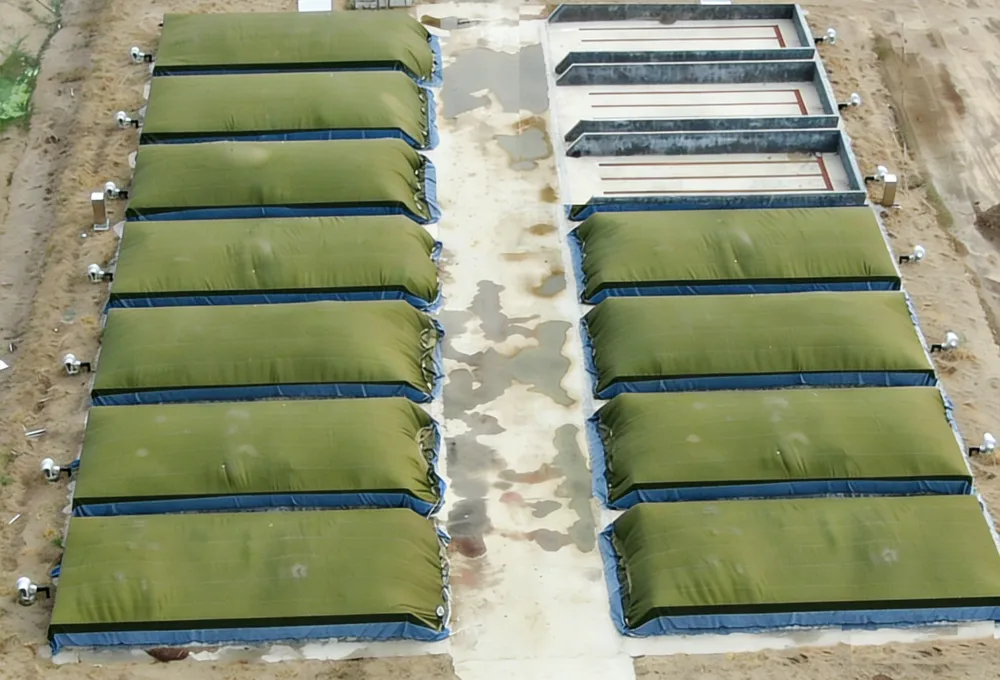
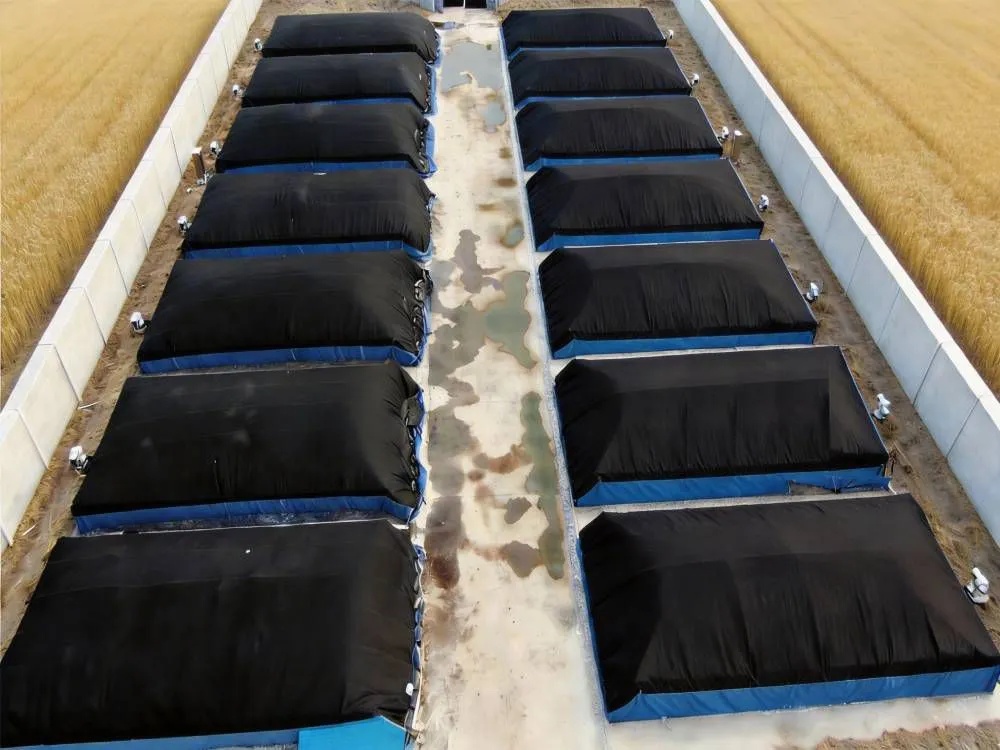
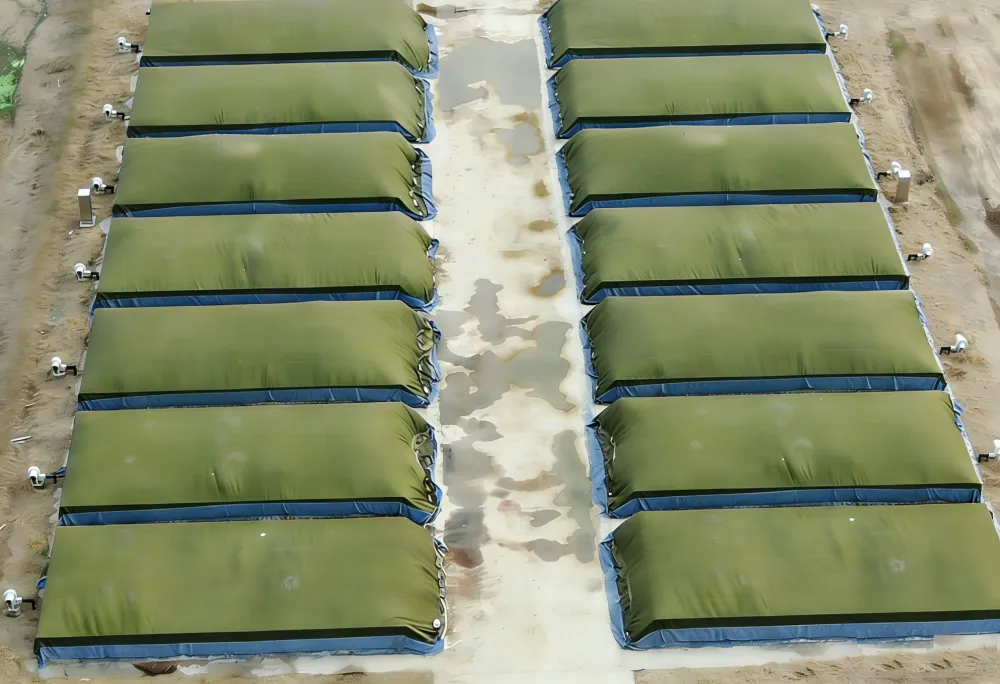
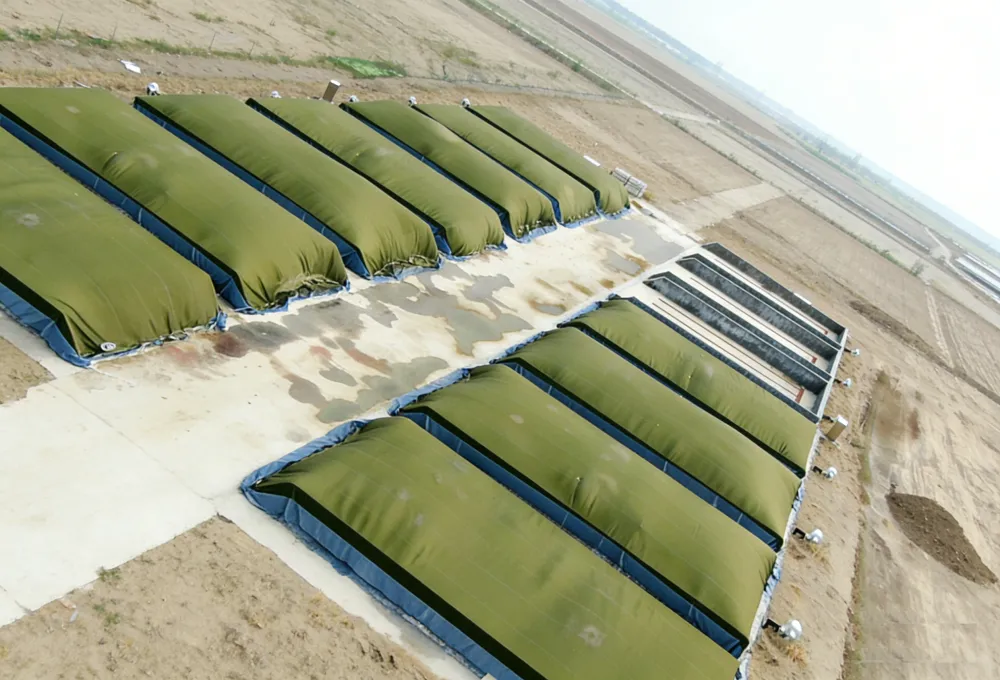
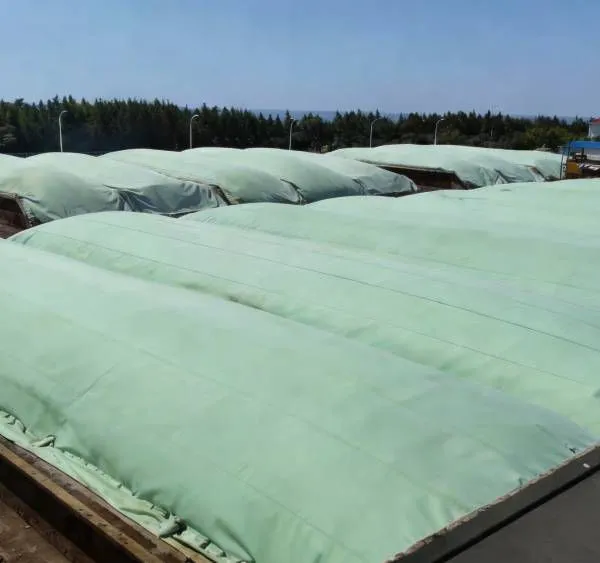
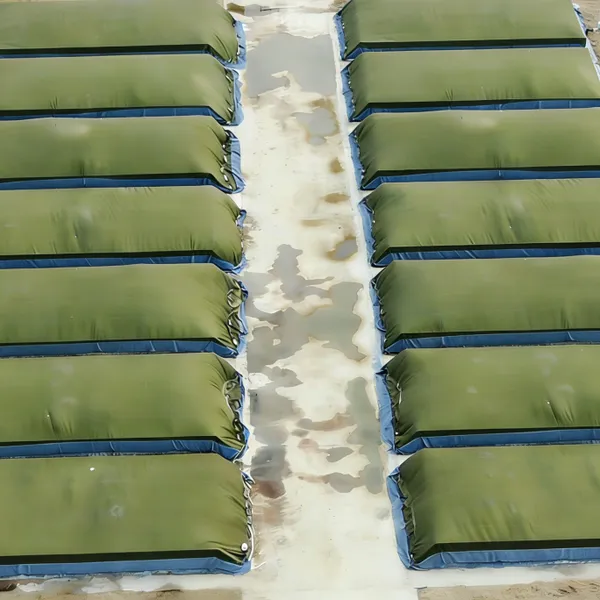
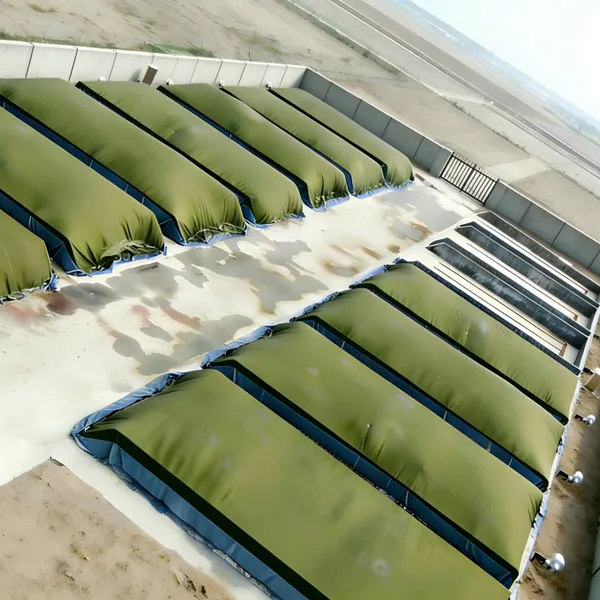
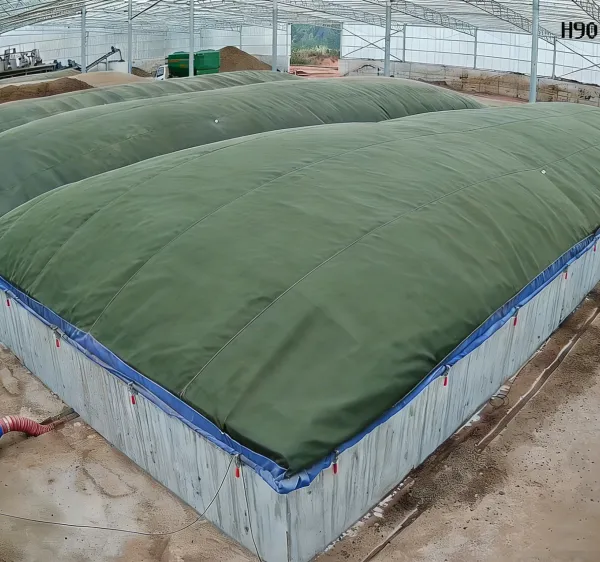
Aerobic fermentation is the mainstream harmless and resourceful disposal method for organic household waste, while traditional open aerobic fermentation faces prominent drawbacks including pervasive odor emission, heat loss, nutrient runoff and unstable fermentation efficiency. To solve these industrial bottlenecks, expanded polytetrafluoroethylene (ePTFE) semi-permeable membrane is applied to household waste aerobic fermentation system as a novel functional isolation material, forming an efficient and low-carbon membrane-covered aerobic fermentation technology.
The ePTFE semi-permeable membrane is a hydrophobic microporous polymer material with uniform micro-pore structure and stable physical and chemical properties. With a reasonable pore size distribution of 0.2-0.4 μm, it possesses unique selective gas permeability. Specifically, the membrane permits oxygen and water vapor required for microbial aerobic respiration to pass through freely, sustaining the proliferation and metabolic activity of thermophilic aerobic microorganisms inside the waste pile. Meanwhile, it effectively intercepts malodorous macromolecular gases, landfill leachate, pathogenic microorganisms and fine particulate pollutants generated during waste biodegradation.
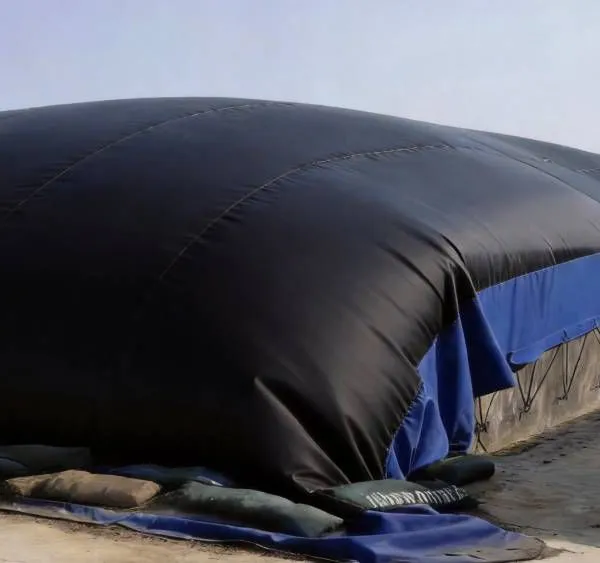
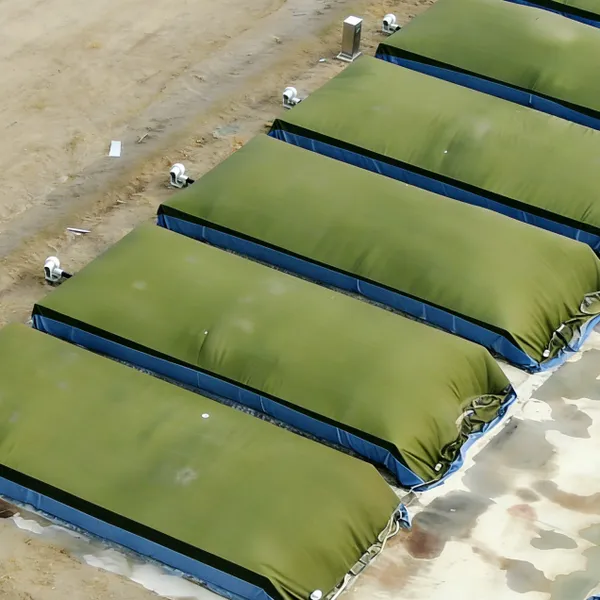
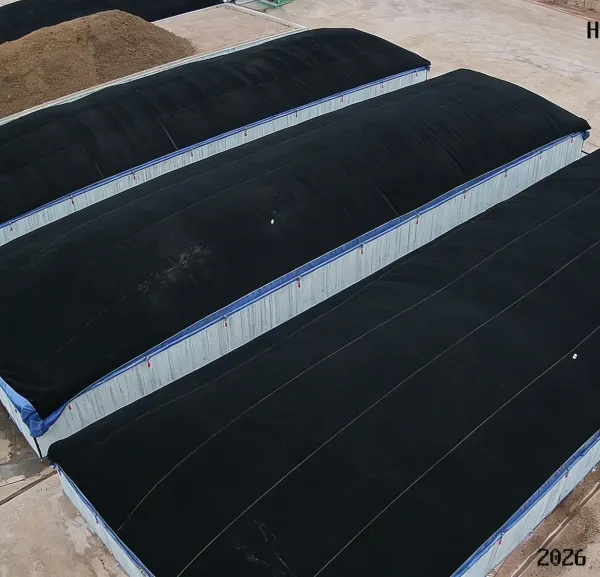
Sealed coverage of ePTFE membrane constructs a relatively closed, controllable aerobic fermentation microenvironment for household waste piles. The membrane layer locks biochemical heat produced by organic matter degradation inside the reactor stably, raising and maintaining the pile temperature efficiently. It accelerates organic matter hydrolysis, humification and maturing process, cuts down the whole aerobic fermentation cycle by 30% to 50%, and realizes rapid sterilization and harmless disposal of household waste efficiently. Besides, the sealed structure inhibits nitrogen volatilization and solid-liquid nutrient loss obviously, greatly improving the organic matter content and fertilizer efficiency of final mature compost products.
Compared with conventional uncovered aerobic fermentation and plastic film covering fermentation, ePTFE semi-permeable membrane assisted aerobic fermentation requires no additional deodorization and heat preservation equipment, lowers overall operation and maintenance costs, and eliminates secondary air and water pollution thoroughly. Moreover, the material boasts excellent corrosion resistance, high temperature resistance and UV aging resistance, which adapts to long-term outdoor operation of household waste treatment stations and community decentralized waste disposal scenarios.
Overall, this optimized aerobic fermentation technology combines membrane separation technology and solid waste biological treatment technology perfectly. It realizes waste reduction, harmless treatment and resource recycling of household waste synchronously, which conforms to circular economy and green solid waste disposal development requirements, and has broad engineering application prospects in urban domestic organic waste treatment fields.
Recently Posted
-
ePTFE semi-permeable membrane aerobic fermentation of domestic waste into organic fertilizer GG
June 12, 2026ePTFE semi-permeable membrane aerobic fermentation of domestic waste into organic fertilizerEnglish VersionThis paper focuses on t Read More
 -
USE ePTFE semi-permeable membrane aerobic fermentation of domestic waste into organic fertilizer
June 12, 2026ePTFE semi-permeable membrane aerobic fermentation of domestic waste into organic fertilizerEnglish VersionThis paper focuses on t Read More
 -
gegood ePTFE semi-permeable membrane aerobic fermentation of domestic waste into organic fertilizer
June 12, 2026ePTFE semi-permeable membrane aerobic fermentation of domestic waste into organic fertilizerEnglish VersionThis paper focuses on t Read More
 -
ePTFE semi-permeable membrane aerobic fermentation of domestic waste into organic fertilizer gegood
June 12, 2026ePTFE semi-permeable membrane aerobic fermentation of domestic waste into organic fertilizerEnglish VersionThis paper focuses on t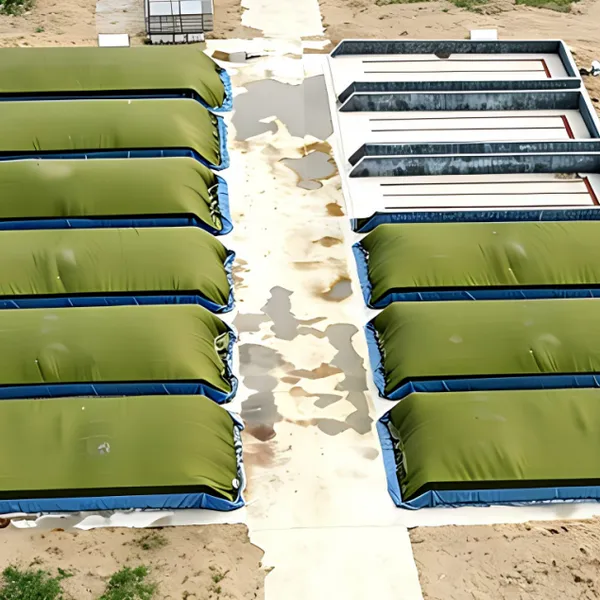 Read More

Contact Us
Recommended Products
-
 Gegood Fermentation of Household Waste Using PTFE Semi-permeable Membrane for Treatment CoverUS$ 5000MOQ: 1 Set
 -
Ferment Organic Fertilizer From Household Waste Using PTFE Semi-permeable Membrane of CoverUS$ 5000MOQ: 1 Set
-
Gegood Fermentation of Household Waste Using PTFE Semi-permeable Membrane for Treatment CoverUS$ 5000MOQ: 1 Set
-
Cover Gegood Fermentation of Household Waste Using PTFE Semi-permeable Membrane for TreatmentUS$ 5000MOQ: 1 Set
-
Aerobic Fermentation of Domestic Waste Using PTFE Semi-permeable Membrane of Gegood CoverUS$ 5000MOQ: 1 Set
-
Cover Gegood Fermentation of Household Waste Using PTFE Semi-permeable Membrane for TreatmentUS$ 5000MOQ: 1 Set
-
Ferment Organic Fertilizer From Household Waste Using PTFE Semi-permeable Membrane of CoverUS$ 5000MOQ: 1 Set
-
Cover Gegood Fermentation of Household Waste Using PTFE Semi-permeable Membrane for TreatmentUS$ 5000MOQ: 1 Set
-
PTFE Cover Semi-permeable Membrane Fermentation of Organic Fertilizer From Household WasteUS$ 5000MOQ: 1 Set
-
Gegood Cover Fermentation of Household Waste Using PTFE Semi-permeable Membrane for TreatmentUS$ 5000MOQ: 1 Set
-
Ferment Organic Fertilizer From Household Waste Using PTFE Semi-permeable Membrane Cover of GegoodUS$ 5000MOQ: 1 Set
-
Cover Fermentation of Household Waste Using PTFE Semi-permeable Membrane for TreatmentUS$ 5000MOQ: 1 Set
-
Gegood Ferment Organic Fertilizer Using PTFE Semi-permeable Membrane CoverUS$ 5000MOQ: 1 Set
-
Ferment Organic Fertilizer Using PTFE Semi-permeable Membrane Cover go reUS$ 5000MOQ: 1 Set
-
Aerobic Fermentation of Domestic Waste Using PTFE Semi-permeable Membrane go re CoverUS$ 5000MOQ: 1 Set
-
Ferment Organic Fertilizer Using PTFE Semi-permeable Membrane CoverUS$ 5000MOQ: 1 Set
-
Gegood Fermentation of Household Waste Using PTFE Semi-permeable Membrane for Treatment CoverUS$ 5000MOQ: 1 Set
-
Fermentation of Household Waste Using PTFE Semi-permeable Membrane Cover for TreatmentUS$ 5000MOQ: 1 Set
-
Gegood Cover Fermentation of Household Waste Using PTFE Semi-permeable Membrane for TreatmentUS$ 5000MOQ: 1 Set
-
Gegood Ferment Organic Fertilizer Using PTFE Semi-permeable Membrane CoverUS$ 5000MOQ: 1 Set