 Business License

gegood Application of semi-permeable PTFE membrane in composting
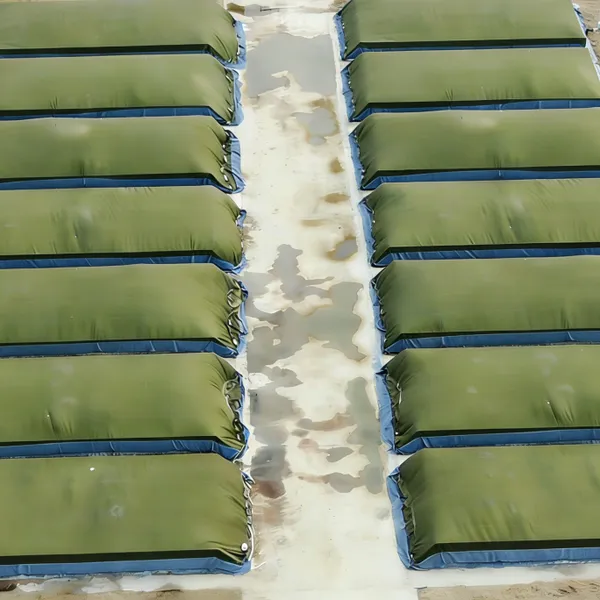
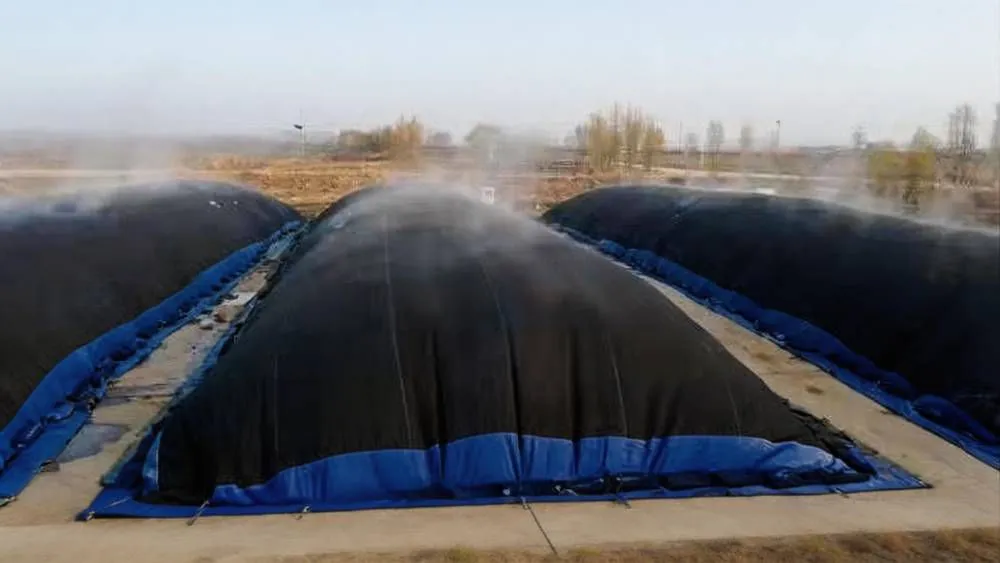
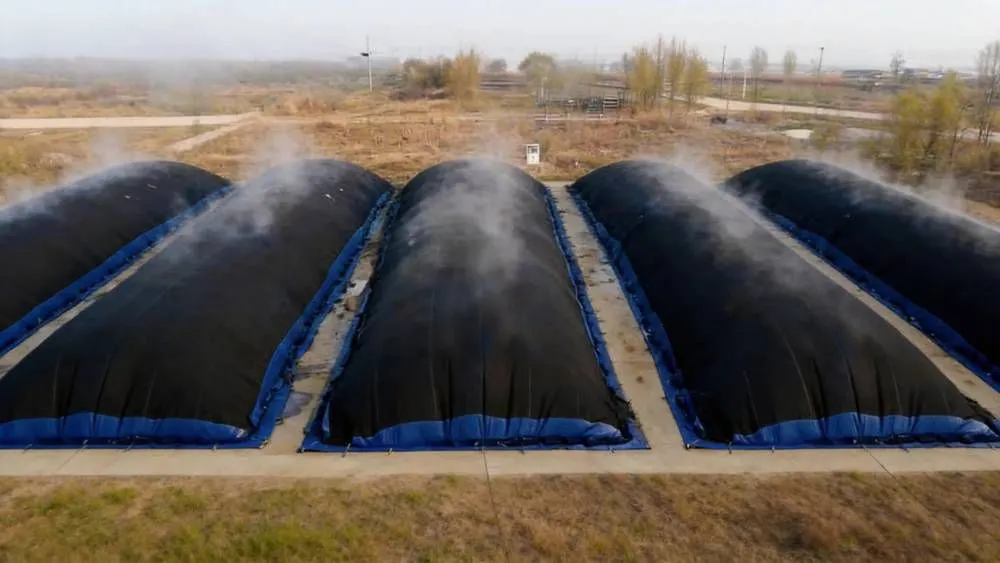
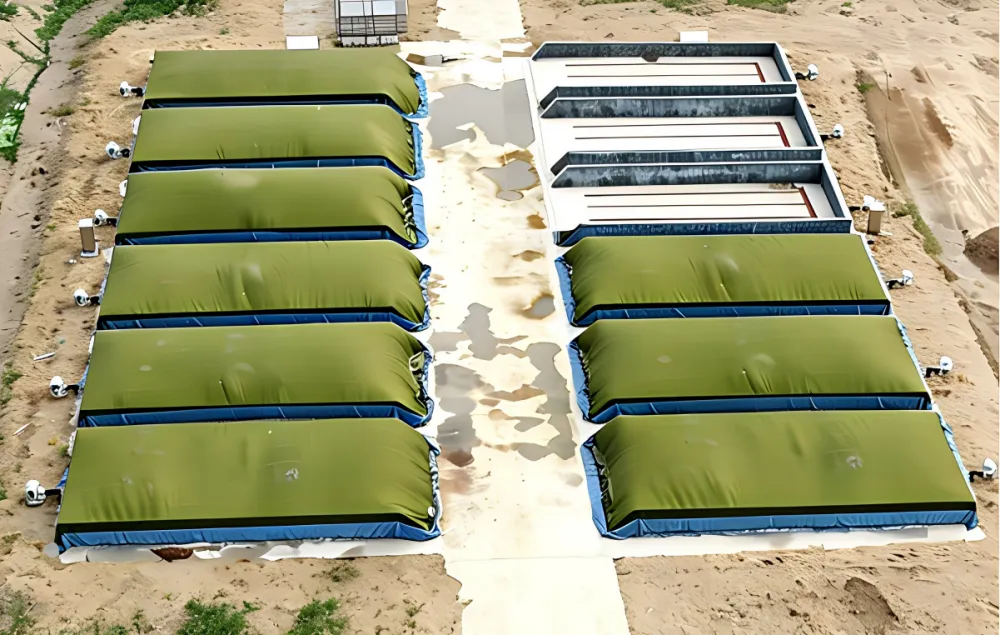
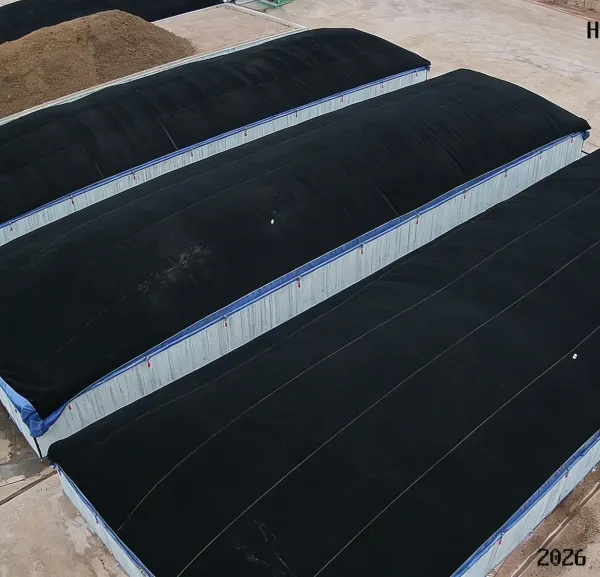
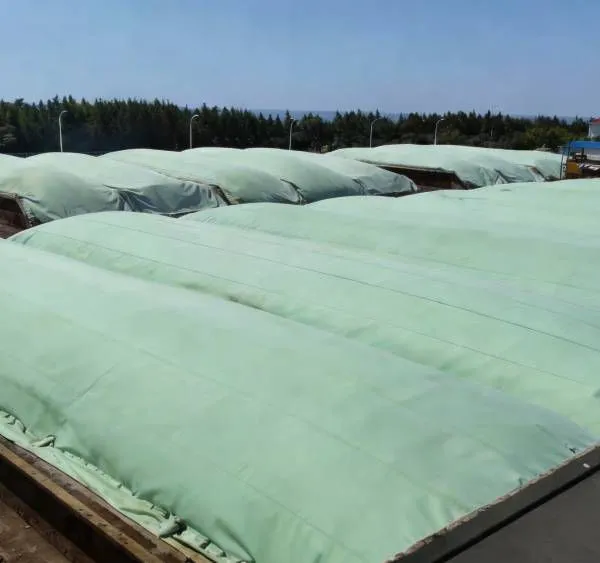
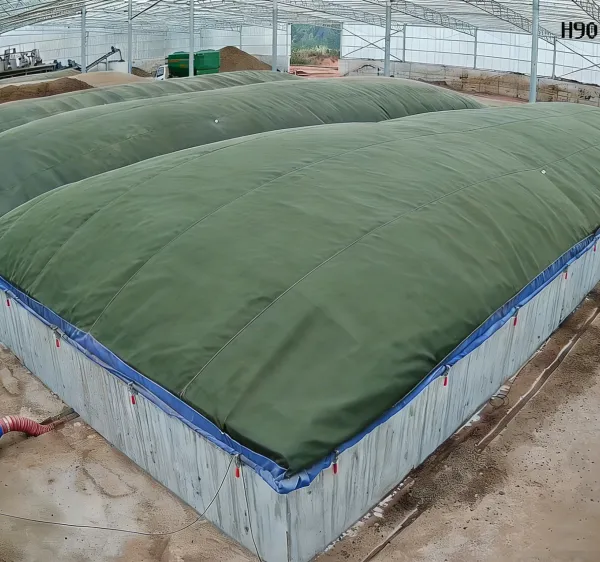
Semi-permeable PTFE (especially expanded PTFE, e-PTFE) membranes are widely used in aerobic composting as a high-performance covering material, enabling odor control, greenhouse gas reduction, nutrient retention, and faster maturation while simplifying process management. Below is a detailed breakdown of their applications and mechanisms.
1. Core Properties of e-PTFE Membranes
Microporous structure: 0.2–0.4 μm pores, allowing gas (O₂, CO₂, H₂O vapor) passage while blocking liquid water, dust, and microbes.
High hydrophobicity: Repels liquid water, preventing rain infiltration and maintaining optimal moisture (50–60%) in the pile.
Gas selectivity: Permits O₂ in and lets CO₂ out; retains ammonia (NH₃) and volatile organic compounds (VOCs) via condensation and dissolution.
Thermal stability: Withstands 65–70°C thermophilic temperatures, durable for long-term use.
2. Key Applications & Functions
2.1 Odor & Ammonia Emission Control
The membrane’s inner surface forms a condensate film that dissolves NH₃, H₂S, and VOCs, which then drip back into the pile for re-decomposition by microbes.
Performance: Reduces NH₃ emissions by 65–93% in pilot and industrial scales.
2.2 Greenhouse Gas (GHG) Mitigation
CO₂: Reduces escape by 59–86% via controlled ventilation.
CH₄: In aerobic conditions, cuts emissions by 40–56%.
N₂O: Reduces by 23–57% through optimized oxygen distribution.
2.3 Nutrient Conservation & Quality Improvement
Nitrogen retention: Minimizes NH₃ volatilization, increasing total nitrogen (TN) by 13–20%.
Phosphorus & potassium: Raises total phosphorus (TP) and total potassium (TK) by 7–14%, and available P/K by 17–22%.
Pathogen kill: Maintains 65–70°C thermophilic conditions for 3–7 days, eliminating pathogens, weed seeds, and antibiotics.
2.4 Process Optimization & Maturation Acceleration
Micro-positive pressure: Forms slight positive pressure under the membrane, improving air distribution and reducing anaerobic zones.
Faster heating: Pile reaches thermophilic phase (≥60°C) in 24–48 hours vs. 3–5 days for traditional methods.
Shorter cycle: Composting period reduced from 45–60 days to 25–35 days.
Weather resistance: Shields from rain, wind, and extreme temperatures, enabling year-round operation.
2.5 System Integration
Combined with micro-pressure ventilation + intelligent control (temperature, O₂, pressure sensors) for automated aeration, reducing energy use by 30–50% vs. forced aeration.
Typical structure: e-PTFE membrane (0.2 μm) sandwiched between polyester fiber layers for mechanical strength.
3. Application Scenarios
Municipal sludge: Reduces odor and heavy metal bioavailability.
Livestock manure: Cuts NH₃ emissions and elevates nutrient content.
Agricultural straw: Accelerates humification and improves C/N ratio.
Food waste: Enhances degradation rate and reduces leachate.
Herb residue: Removes antibiotics and resistance genes.
4. Advantages vs. Traditional Covers
| Feature | e-PTFE Membrane | Plastic Film | Non-Woven Fabric |
|---|---|---|---|
| Odor control | Excellent (65–93% NH₃ reduction) | Poor | Fair |
| Moisture regulation | Optimal (50–60%) | Traps moisture | Loses moisture |
| Thermal insulation | Good (65–70°C) | Poor | Fair |
| Gas exchange | Controlled & selective | Impermeable | Uncontrolled |
| Durability | 3–5 years | 3–6 months | 6–12 months |
| Maintenance | Low | High | Medium |
5. Challenges & Future Trends
Cost: Higher initial cost than plastic film, but offset by lower operational costs and higher compost value.
Fouling: Membrane surface may clog with dust and biofilm; regular cleaning (water spray) required.
Research directions:
Combine with biochar for enhanced nutrient retention and GHG reduction.
Develop modified e-PTFE with better selectivity and antifouling properties.
Integrate AI for real-time process control and optimization.
Conclusion
Semi-permeable e-PTFE membrane composting (SMHC) is a transformative technology for organic waste treatment. It delivers superior odor/GHG control, nutrient preservation, and faster maturation while enabling stable, year-round operation. As a key component of modern sustainable composting systems, it balances environmental performance, product quality, and operational efficiency.
Recently Posted
-
ePTFE semi-permeable membrane aerobic fermentation of domestic waste into organic fertilizer GG
June 12, 2026ePTFE semi-permeable membrane aerobic fermentation of domestic waste into organic fertilizerEnglish VersionThis paper focuses on t Read More
 -
USE ePTFE semi-permeable membrane aerobic fermentation of domestic waste into organic fertilizer
June 12, 2026ePTFE semi-permeable membrane aerobic fermentation of domestic waste into organic fertilizerEnglish VersionThis paper focuses on t Read More
 -
gegood ePTFE semi-permeable membrane aerobic fermentation of domestic waste into organic fertilizer
June 12, 2026ePTFE semi-permeable membrane aerobic fermentation of domestic waste into organic fertilizerEnglish VersionThis paper focuses on t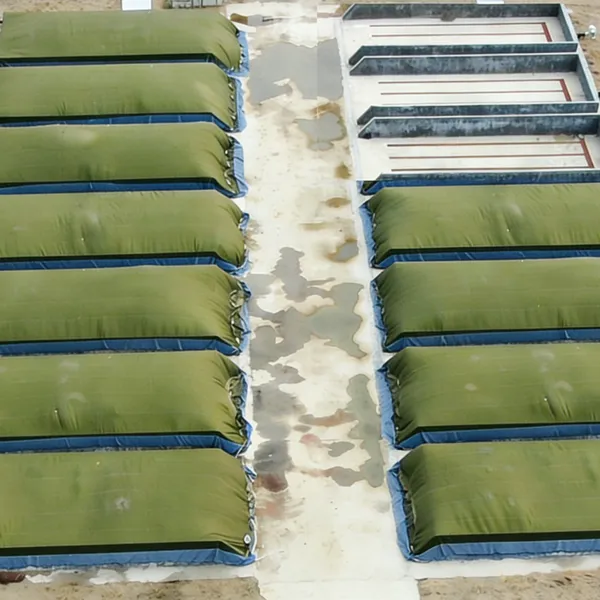 Read More
 -
ePTFE semi-permeable membrane aerobic fermentation of domestic waste into organic fertilizer gegood
June 12, 2026ePTFE semi-permeable membrane aerobic fermentation of domestic waste into organic fertilizerEnglish VersionThis paper focuses on t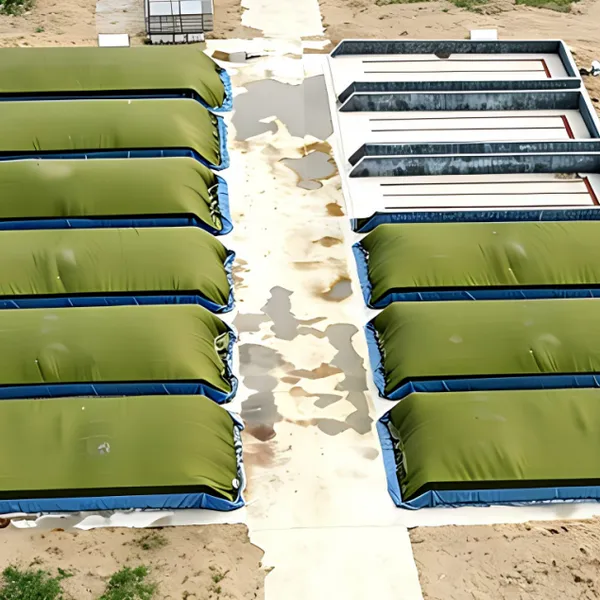 Read More

Contact Us
Recommended Products
-
 Gegood Fermentation of Household Waste Using PTFE Semi-permeable Membrane for Treatment CoverUS$ 5000MOQ: 1 Set
 -
Ferment Organic Fertilizer From Household Waste Using PTFE Semi-permeable Membrane of CoverUS$ 5000MOQ: 1 Set
-
Gegood Fermentation of Household Waste Using PTFE Semi-permeable Membrane for Treatment CoverUS$ 5000MOQ: 1 Set
-
Cover Gegood Fermentation of Household Waste Using PTFE Semi-permeable Membrane for TreatmentUS$ 5000MOQ: 1 Set
-
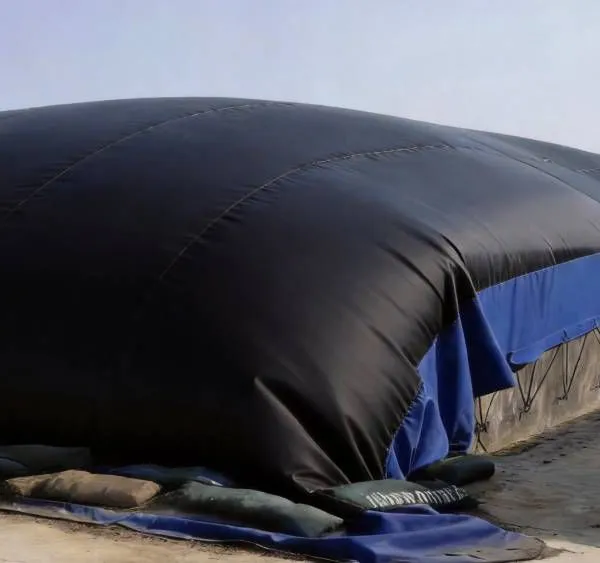
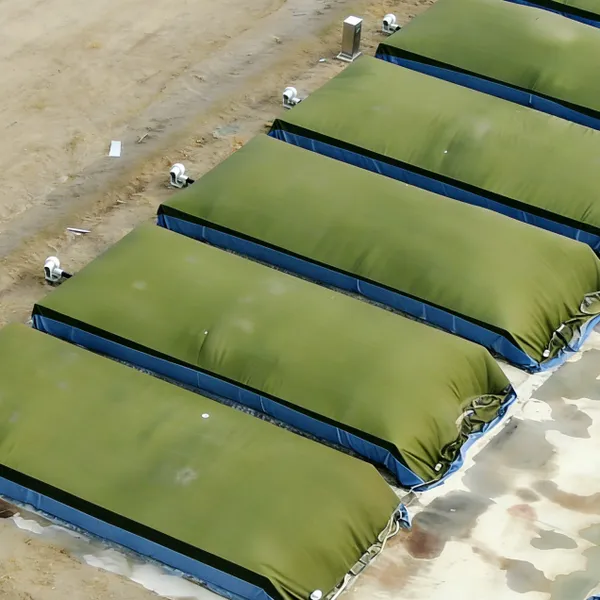
Aerobic Fermentation of Domestic Waste Using PTFE Semi-permeable Membrane of Gegood CoverUS$ 5000MOQ: 1 Set
-
Cover Gegood Fermentation of Household Waste Using PTFE Semi-permeable Membrane for TreatmentUS$ 5000MOQ: 1 Set
-
Ferment Organic Fertilizer From Household Waste Using PTFE Semi-permeable Membrane of CoverUS$ 5000MOQ: 1 Set
-
Cover Gegood Fermentation of Household Waste Using PTFE Semi-permeable Membrane for TreatmentUS$ 5000MOQ: 1 Set
-
PTFE Cover Semi-permeable Membrane Fermentation of Organic Fertilizer From Household WasteUS$ 5000MOQ: 1 Set
-
Gegood Cover Fermentation of Household Waste Using PTFE Semi-permeable Membrane for TreatmentUS$ 5000MOQ: 1 Set
-
Ferment Organic Fertilizer From Household Waste Using PTFE Semi-permeable Membrane Cover of GegoodUS$ 5000MOQ: 1 Set
-
Cover Fermentation of Household Waste Using PTFE Semi-permeable Membrane for TreatmentUS$ 5000MOQ: 1 Set
-
Gegood Ferment Organic Fertilizer Using PTFE Semi-permeable Membrane CoverUS$ 5000MOQ: 1 Set
-
Ferment Organic Fertilizer Using PTFE Semi-permeable Membrane Cover go reUS$ 5000MOQ: 1 Set
-
Aerobic Fermentation of Domestic Waste Using PTFE Semi-permeable Membrane go re CoverUS$ 5000MOQ: 1 Set
-
Ferment Organic Fertilizer Using PTFE Semi-permeable Membrane CoverUS$ 5000MOQ: 1 Set
-
Gegood Fermentation of Household Waste Using PTFE Semi-permeable Membrane for Treatment CoverUS$ 5000MOQ: 1 Set
-
Fermentation of Household Waste Using PTFE Semi-permeable Membrane Cover for TreatmentUS$ 5000MOQ: 1 Set
-
Gegood Cover Fermentation of Household Waste Using PTFE Semi-permeable Membrane for TreatmentUS$ 5000MOQ: 1 Set
-
Gegood Ferment Organic Fertilizer Using PTFE Semi-permeable Membrane CoverUS$ 5000MOQ: 1 Set