 Business License

Application of semi-permeable PTFE membrane in composting
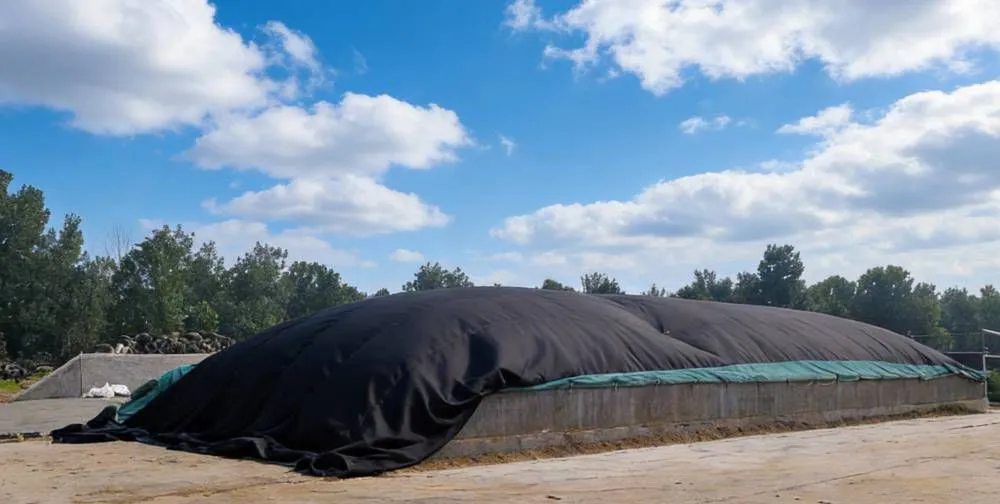
The application of semi-permeable PTFE (e-PTFE) membrane technology in composting represents a significant advancement in organic waste treatment. The technology, also known as Semi-permeable Membrane-covered High-temperature aerobic Composting (SMHC), is widely recognized as a sustainable method for converting organic solid waste into high-quality, humus-rich fertilizer-1.
🤔 How It Works
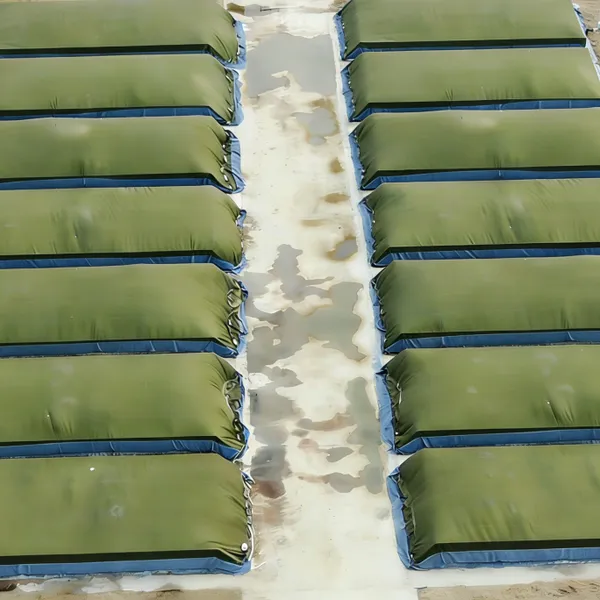
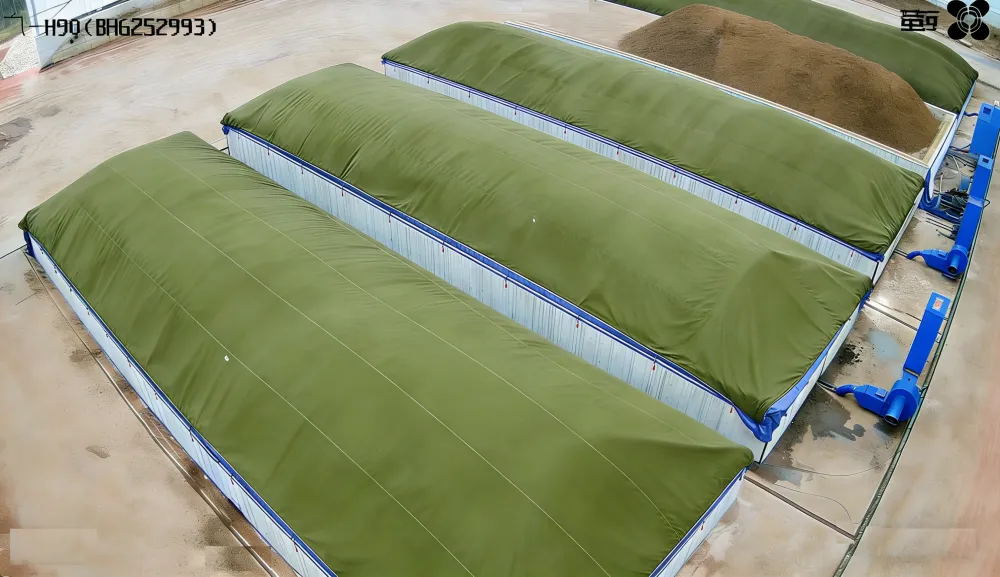
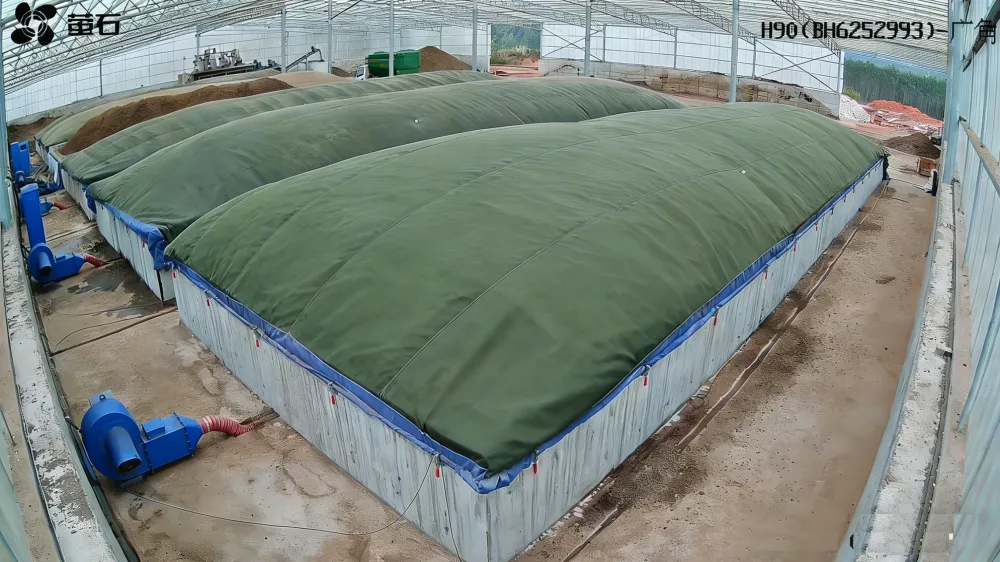
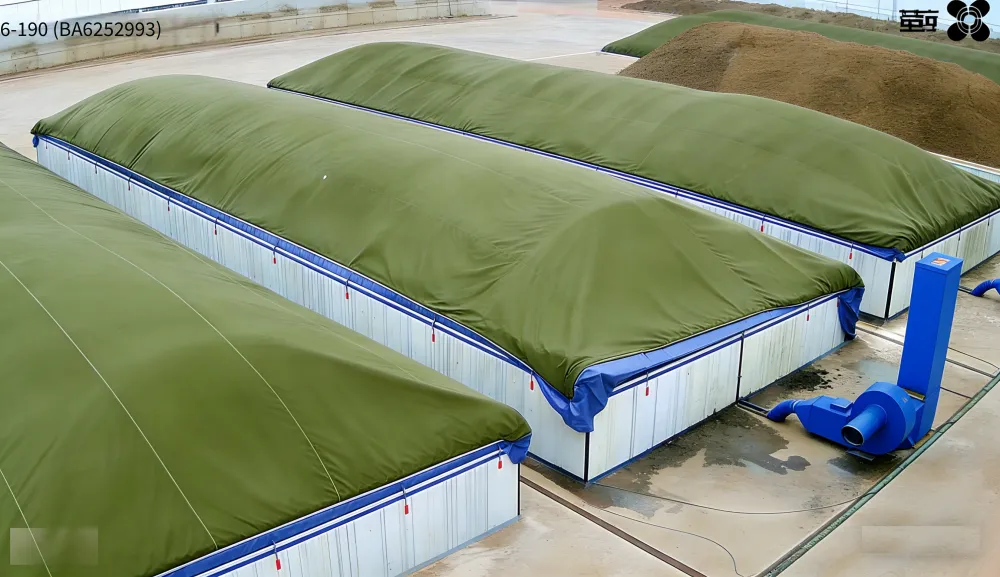
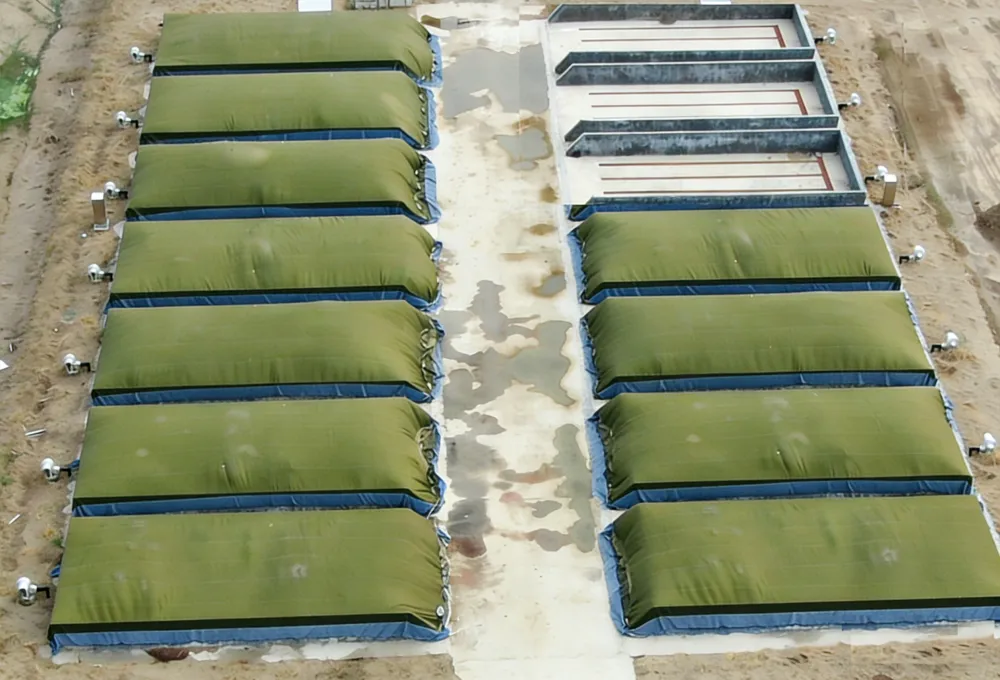
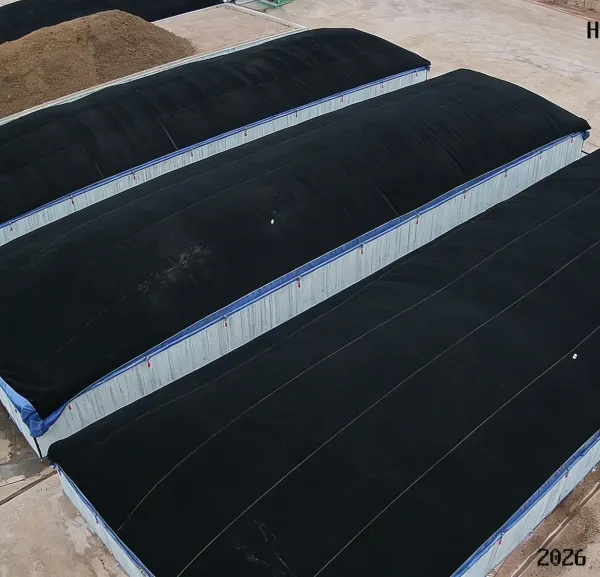
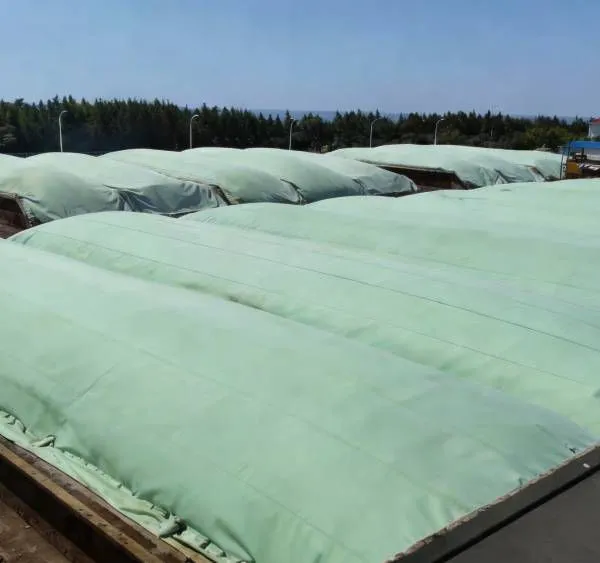
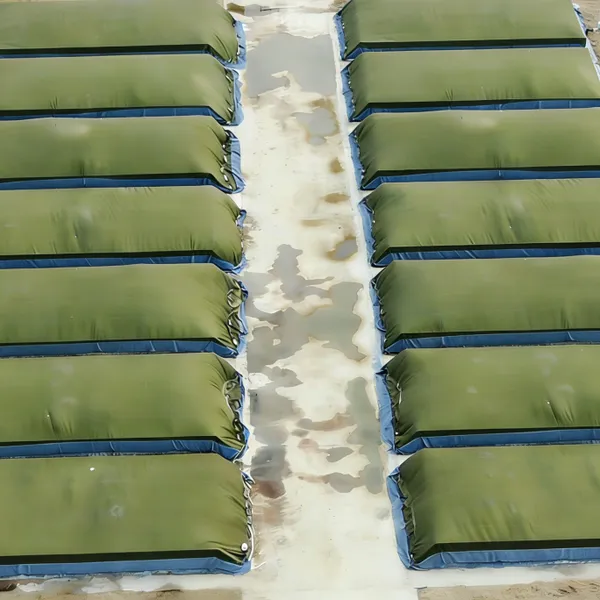
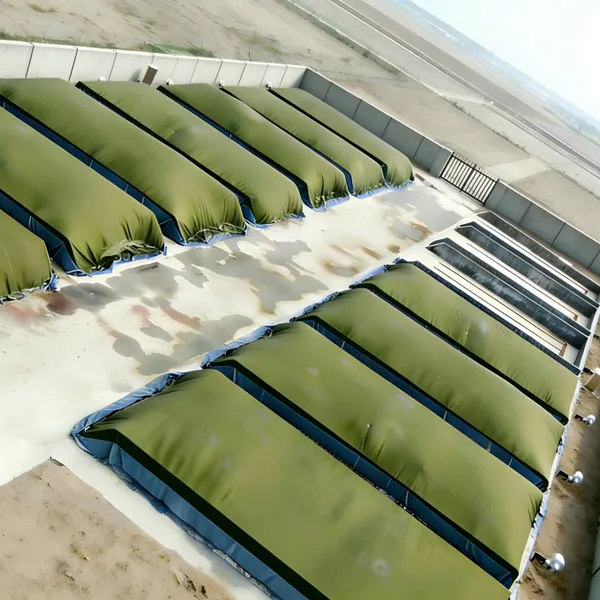
The system uses a specialized e-PTFE membrane to cover the compost pile, combined with a forced aeration system from the bottom.
Unique Membrane: This expanded polytetrafluoroethylene membrane contains billions of microscopic pores per square centimeter, giving it a "semi-permeable" property-5.
Micro-Positive Pressure: The membrane acts as a physical barrier, creating a micro-positive pressure environment inside the pile-1. This ensures uniform air and oxygen distribution, promoting even microbial activity and temperature distribution throughout the pile-5.
Selective Permeability: The membrane's pores are designed to be hydrophobic (water-repellent), allowing water vapor to escape while blocking liquid water from entering-11. They also allow essential gases like oxygen (O₂) and carbon dioxide (CO₂) to pass through, maintaining the internal climate needed for efficient aerobic fermentation-6.
Key Advantages and Benefits
This technology offers several advantages over traditional open-air composting:
1. Reduction of Greenhouse Gas Emissions
Covering the pile with an e-PTFE membrane significantly reduces the release of greenhouse gases (GHGs) like methane (CH₄) and nitrous oxide (N₂O). Studies show reductions of 79-100% for CH₄ and 45-60% for N₂O-. While covering alone can sometimes increase N₂O, this is effectively mitigated by combining it with other emission-reduction strategies like adding biochar-16-.
2. Control of Gases and Odors
The membrane acts as an effective barrier, trapping over 90% of odors and volatile organic compounds (VOCs) inside the pile-. These compounds are naturally broken down, significantly reducing air pollution and complaints from nearby communities. This is a major advantage over open composting, which can cause significant nuisance issues.
3. Preservation of Moisture and Nutrients
Moisture Retention: The membrane slows down moisture loss. In a covered system, the moisture content loss ratio was found to be 5.91%, which is much lower than the 10.78% loss in an open pile-. This reduces the need for additional watering.
Nutrient Conservation: It significantly reduces the escape of ammonia (NH₃), a valuable nitrogen source. The membrane physically blocks NH₃ emissions, thereby conserving more nitrogen in the final compost and enhancing its quality as a fertilizer-11-. Studies also show an increase in the availability of phosphorus and potassium in the final product-.
4. Improved Process Stability and Quality
Pathogen Removal: The enclosed system and elevated internal temperatures effectively kill pathogenic microorganisms, ensuring safe, hygienic compost-5.
Uniform Quality: Even moisture distribution and uniform temperatures lead to consistent, high-quality compost.
📝 Application Scope
This technology is highly versatile. The GORE® Cover system, a well-known commercial implementation, has successfully treated a wide range of materials, including:
Garden and green waste
Food waste from residential and commercial sources
Biosolids and animal manure
Agricultural residues
Anaerobic digestate residuals-22
💡 Limitations and Future Directions
While highly effective, the technology faces challenges that are being actively addressed through research:
Potential for Certain GHG Emissions: As noted, under specific conditions, a PTFE membrane covering alone can increase N₂O emissions. However, combining it with mitigation measures like biochar effectively overcomes this-17.
Oil Fouling in Oily Composts: PTFE's hydrophobic nature can be compromised by oily aerosols. To address this, amphiphobic PTFE membranes—which repel both water and oil—are being developed for more robust performance-11.
Complex Microbial Dynamics: The complete mechanisms by which the membrane influences microbial communities to reduce GHGs are still under investigation. Research indicates it can increase the abundance of beneficial bacteria like Bacillus and Ureibacillus while reducing others like Lactobacillus to control emissions-17.
Cost Considerations: The initial investment for the membrane and automated aeration system can be higher than traditional methods, although long-term benefits often offset this.
Recently Posted
-
ePTFE semi-permeable membrane aerobic fermentation of domestic waste into organic fertilizer GG
June 12, 2026ePTFE semi-permeable membrane aerobic fermentation of domestic waste into organic fertilizerEnglish VersionThis paper focuses on t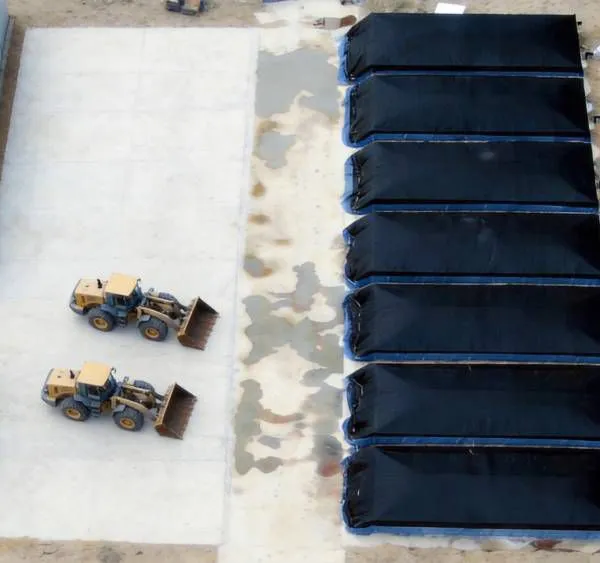 Read More
 -
USE ePTFE semi-permeable membrane aerobic fermentation of domestic waste into organic fertilizer
June 12, 2026ePTFE semi-permeable membrane aerobic fermentation of domestic waste into organic fertilizerEnglish VersionThis paper focuses on t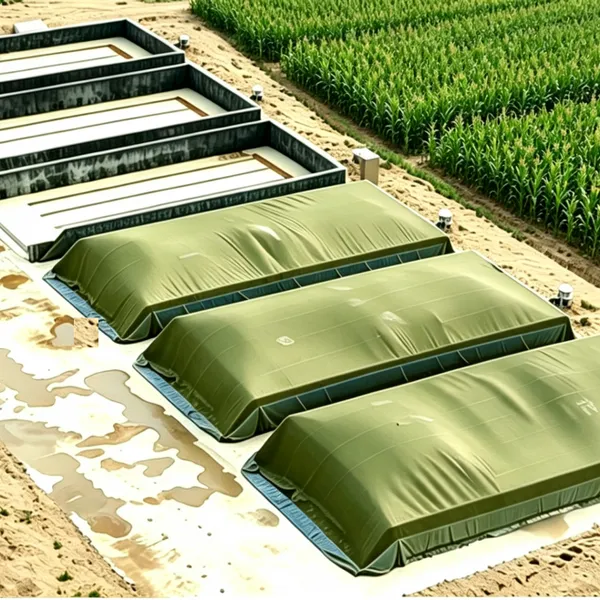 Read More
 -
gegood ePTFE semi-permeable membrane aerobic fermentation of domestic waste into organic fertilizer
June 12, 2026ePTFE semi-permeable membrane aerobic fermentation of domestic waste into organic fertilizerEnglish VersionThis paper focuses on t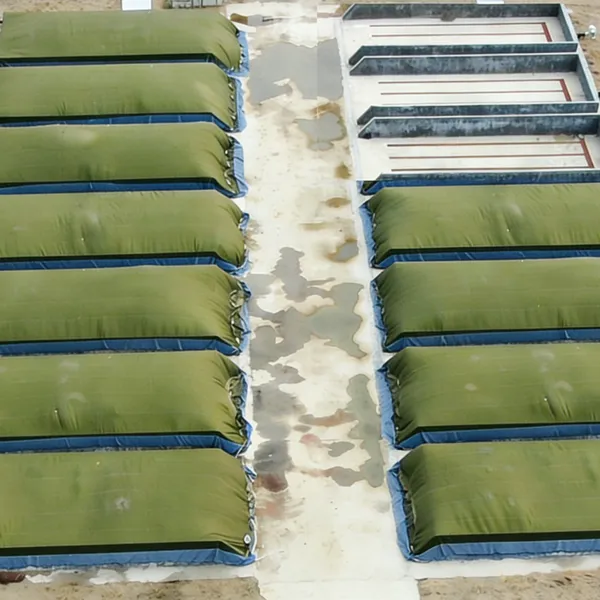 Read More
 -
ePTFE semi-permeable membrane aerobic fermentation of domestic waste into organic fertilizer gegood
June 12, 2026ePTFE semi-permeable membrane aerobic fermentation of domestic waste into organic fertilizerEnglish VersionThis paper focuses on t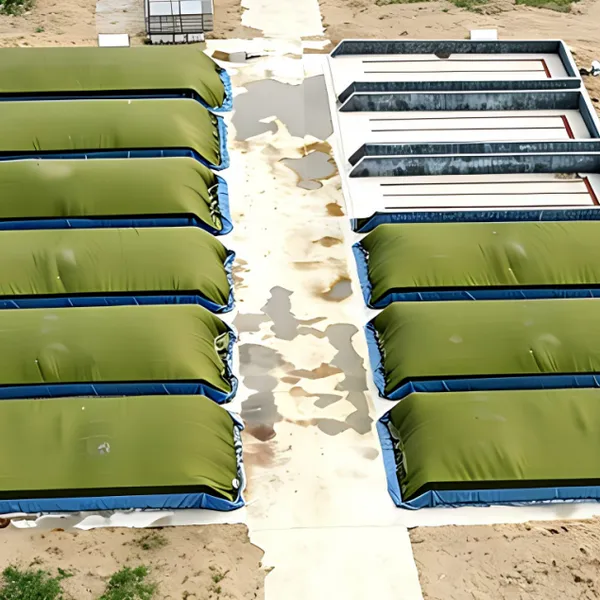 Read More

Contact Us
Recommended Products
-
 Gegood Fermentation of Household Waste Using PTFE Semi-permeable Membrane for Treatment CoverUS$ 5000MOQ: 1 Set
 -
Ferment Organic Fertilizer From Household Waste Using PTFE Semi-permeable Membrane of CoverUS$ 5000MOQ: 1 Set
-
Gegood Fermentation of Household Waste Using PTFE Semi-permeable Membrane for Treatment CoverUS$ 5000MOQ: 1 Set
-
Cover Gegood Fermentation of Household Waste Using PTFE Semi-permeable Membrane for TreatmentUS$ 5000MOQ: 1 Set
-
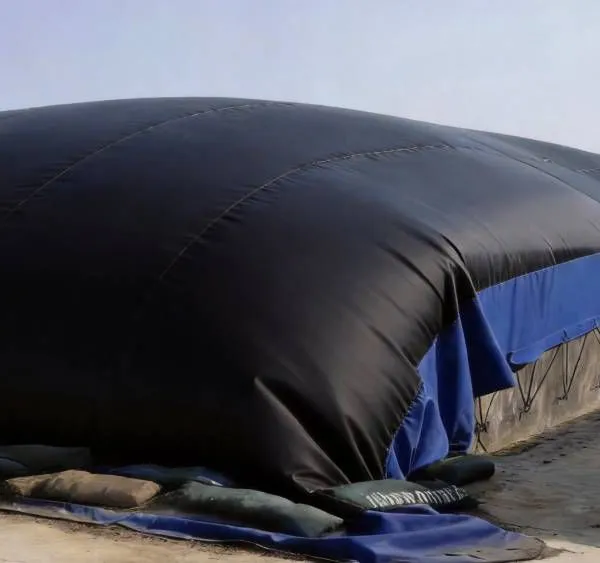
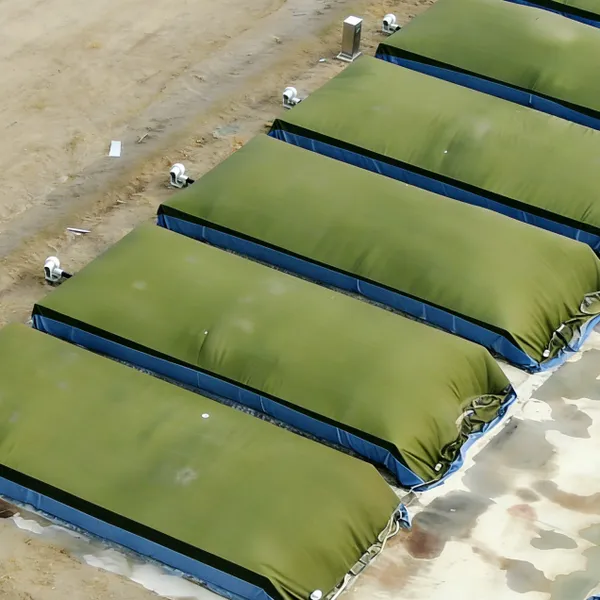
Aerobic Fermentation of Domestic Waste Using PTFE Semi-permeable Membrane of Gegood CoverUS$ 5000MOQ: 1 Set
-
Cover Gegood Fermentation of Household Waste Using PTFE Semi-permeable Membrane for TreatmentUS$ 5000MOQ: 1 Set
-
Ferment Organic Fertilizer From Household Waste Using PTFE Semi-permeable Membrane of CoverUS$ 5000MOQ: 1 Set
-
Cover Gegood Fermentation of Household Waste Using PTFE Semi-permeable Membrane for TreatmentUS$ 5000MOQ: 1 Set
-
PTFE Cover Semi-permeable Membrane Fermentation of Organic Fertilizer From Household WasteUS$ 5000MOQ: 1 Set
-
Gegood Cover Fermentation of Household Waste Using PTFE Semi-permeable Membrane for TreatmentUS$ 5000MOQ: 1 Set
-
Ferment Organic Fertilizer From Household Waste Using PTFE Semi-permeable Membrane Cover of GegoodUS$ 5000MOQ: 1 Set
-
Cover Fermentation of Household Waste Using PTFE Semi-permeable Membrane for TreatmentUS$ 5000MOQ: 1 Set
-
Gegood Ferment Organic Fertilizer Using PTFE Semi-permeable Membrane CoverUS$ 5000MOQ: 1 Set
-
Ferment Organic Fertilizer Using PTFE Semi-permeable Membrane Cover go reUS$ 5000MOQ: 1 Set
-
Aerobic Fermentation of Domestic Waste Using PTFE Semi-permeable Membrane go re CoverUS$ 5000MOQ: 1 Set
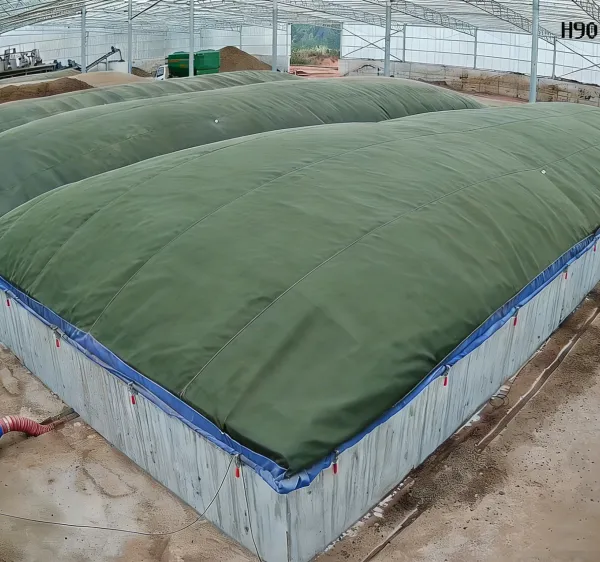
-
Ferment Organic Fertilizer Using PTFE Semi-permeable Membrane CoverUS$ 5000MOQ: 1 Set
-
Gegood Fermentation of Household Waste Using PTFE Semi-permeable Membrane for Treatment CoverUS$ 5000MOQ: 1 Set
-
Fermentation of Household Waste Using PTFE Semi-permeable Membrane Cover for TreatmentUS$ 5000MOQ: 1 Set
-
Gegood Cover Fermentation of Household Waste Using PTFE Semi-permeable Membrane for TreatmentUS$ 5000MOQ: 1 Set
-
Gegood Ferment Organic Fertilizer Using PTFE Semi-permeable Membrane CoverUS$ 5000MOQ: 1 Set