 Business License

Application of Semi-permeable PTFE Membrane in Domestic Waste Treatment of gegood
Application of Semi-permeable PTFE Membrane in Domestic Waste Treatment
Abstract
Expanded polytetrafluoroethylene (e-PTFE) semi-permeable membrane features uniform micropores, excellent hydrophobicity, chemical stability and gas permeability selectivity. It has become a core functional material for modern domestic waste disposal. This paper systematically introduces its performance characteristics, main application scenarios, technical advantages, existing limitations and development prospects in domestic waste treatment.
1. Fundamental Properties of Semi-permeable PTFE Membrane
Microporous structure: Pore size generally ranges from 0.2 μm to 0.4 μm. It allows oxygen, carbon dioxide and water vapor to pass through, while intercepting liquid water, solid particles, microorganisms and pathogenic bacteria.
Super hydrophobicity: Low surface tension prevents rainwater infiltration and effectively controls leachate generation.
Gas selective permeability: Blocks most odor pollutants such as ammonia, hydrogen sulfide and volatile organic compounds (VOCs), realizing in-situ degradation of odorous substances.
Durability & chemical resistance: Tolerates high temperature (up to 70 °C) in aerobic fermentation, and resists acid, alkali and oily pollutants in domestic waste. The service life reaches 3–5 years.
2. Main Application Fields
2.1 Aerobic Composting of Kitchen & Organic Domestic Waste
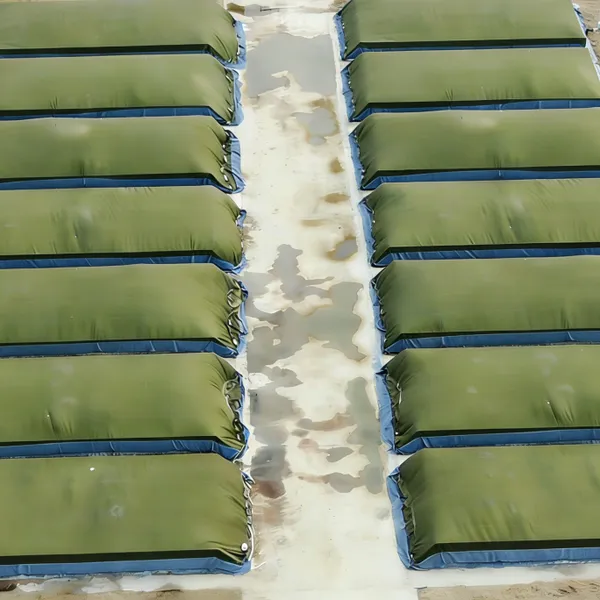
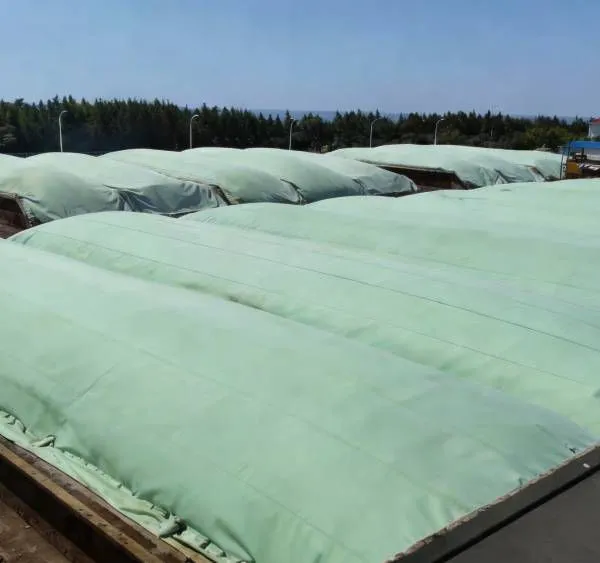
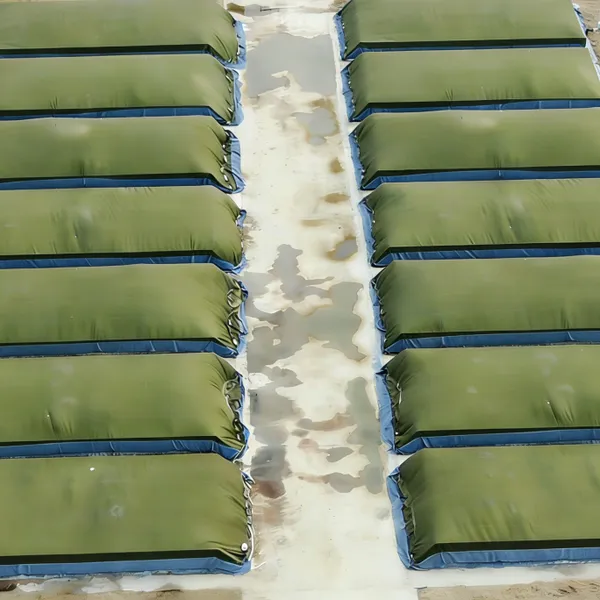
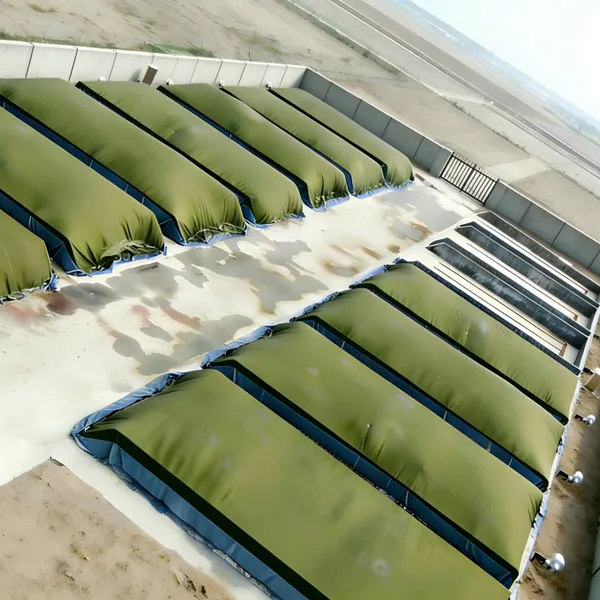
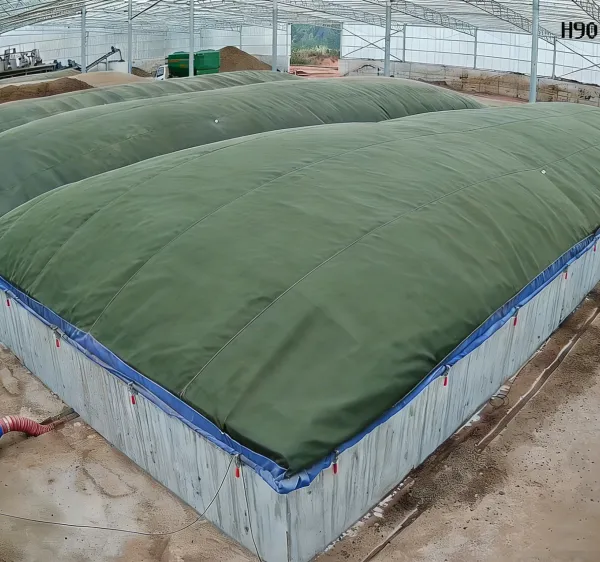
This is the most widely used application. The membrane covers compost piles to build a sealed and ventilated fermentation system.
Odor control: Odor gases are trapped inside the membrane, dissolved by surface condensate and decomposed by microorganisms. Ammonia emission can be reduced by 65%–93%.
Leachate reduction: Rainwater is isolated, cutting leachate output by 70%–90%.
Fermentation efficiency improvement: Maintains stable thermophilic temperature (55–70 °C) to kill pathogens and weed seeds. The composting cycle is shortened from 45–60 days (traditional process) to 25–35 days.
Nutrient preservation: Reduces nitrogen volatilization, and improves the nutrient content of finished organic fertilizer.
2.2 Landfill Site Management
Covering material for landfill cells: Replaces traditional plastic films and clay covers. It isolates rainwater, controls landfill odor and dust diffusion, and optimizes the internal aerobic environment to reduce methane emission.
Intermediate cover for landfill layers: Achieves continuous operation of landfills in all weather conditions and lowers environmental pollution risks.
2.3 Landfill Leachate Treatment
PTFE membrane is applied to multiple advanced leachate treatment processes:
Membrane Bioreactor (MBR): PTFE hollow fiber membranes perform solid-liquid separation. They have strong anti-fouling ability, stable operation, and effectively remove suspended solids, organic pollutants and ammonia nitrogen.
Membrane Distillation (MD): Relying on hydrophobic permeability, it separates salts and refractory organics from leachate, producing reusable clean water and realizing wastewater reduction.
2.4 Waste Gas and Flue Gas Purification
Dust removal: Used for baghouse filters in waste incineration and disposal workshops. It captures fine particulate matter with high filtration efficiency.
Odor purification: Combined with biofilters, the membrane acts as a carrier for biofilm to degrade hydrogen sulfide, VOCs and other malodorous gases.
2.5 Sewage Treatment in Waste Disposal Plants
PTFE MBR is adopted for on-site domestic sewage and production wastewater treatment in waste treatment stations. The effluent meets discharge or reuse standards, and the sludge yield is lower than that of conventional treatment processes.
3. Technical Advantages Compared with Traditional Materials
| Item | Semi-permeable PTFE Membrane | Plastic Film | Non-woven Fabric | Open Compost/Landfill |
|---|---|---|---|---|
| Odor control | Excellent | Poor | General | Severe odor escape |
| Leachate control | Excellent | Poor | General | Serious leachate |
| Gas exchange | Selective and controllable | Completely impermeable | Unregulated ventilation | Uncontrolled |
| High temperature resistance | Good | Poor | General | / |
| Service life | 3–5 years | 3–6 months | 6–12 months | / |
| All-weather adaptability | Strong | Weak | General | Weak |
4. Existing Challenges and Countermeasures
High initial investment costCountermeasure: Long service life and low later maintenance cost make up for the upfront expense; meanwhile, it avoids environmental penalty caused by pollution.
Membrane fouling and pore cloggingCountermeasure: Regular high-pressure water flushing and targeted chemical cleaning; adopt composite structure to enhance anti-fouling performance.
Moisture balance regulationCountermeasure: Equip with temperature, oxygen and pressure sensors to build an intelligent ventilation control system for real-time parameter adjustment.
5. Development Prospect
With the stricter environmental protection requirements for domestic waste classification, disposal and resource utilization, semi-permeable PTFE membrane technology will gain broader promotion. Future development directions include:
Developing modified PTFE membranes with higher selectivity, antifouling and wear resistance.
Integrating with intelligent monitoring and automatic control systems to realize unmanned operation of waste treatment.
Expanding combined processes of PTFE membrane and biological treatment to further improve resource recovery efficiency and reduce carbon emissions.
6. Conclusion
Semi-permeable PTFE membrane is a high-efficiency and environmentally friendly material for domestic waste treatment. It solves the prominent problems of odor pollution, excessive leachate and low resource utilization in traditional disposal technologies. It is suitable for organic waste composting, landfill management, leachate and waste gas purification, and has important application value and promotion potential in the field of urban domestic waste harmless and resource treatment.
Recently Posted
-
ePTFE semi-permeable membrane aerobic fermentation of domestic waste into organic fertilizer GG
June 12, 2026ePTFE semi-permeable membrane aerobic fermentation of domestic waste into organic fertilizerEnglish VersionThis paper focuses on t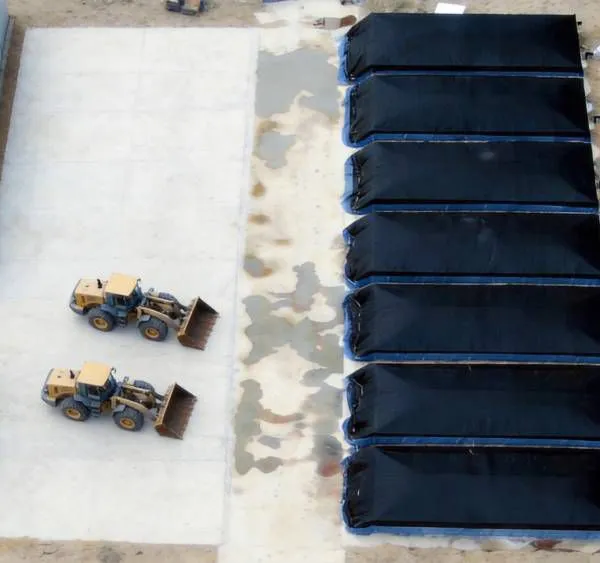 Read More
 -
USE ePTFE semi-permeable membrane aerobic fermentation of domestic waste into organic fertilizer
June 12, 2026ePTFE semi-permeable membrane aerobic fermentation of domestic waste into organic fertilizerEnglish VersionThis paper focuses on t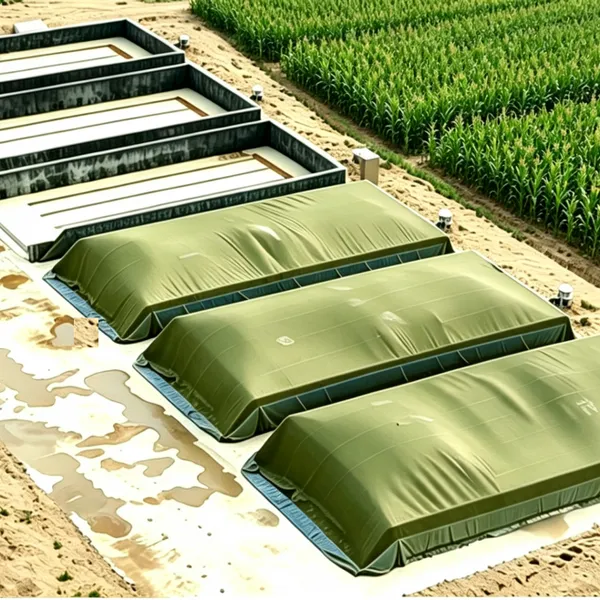 Read More
 -
gegood ePTFE semi-permeable membrane aerobic fermentation of domestic waste into organic fertilizer
June 12, 2026ePTFE semi-permeable membrane aerobic fermentation of domestic waste into organic fertilizerEnglish VersionThis paper focuses on t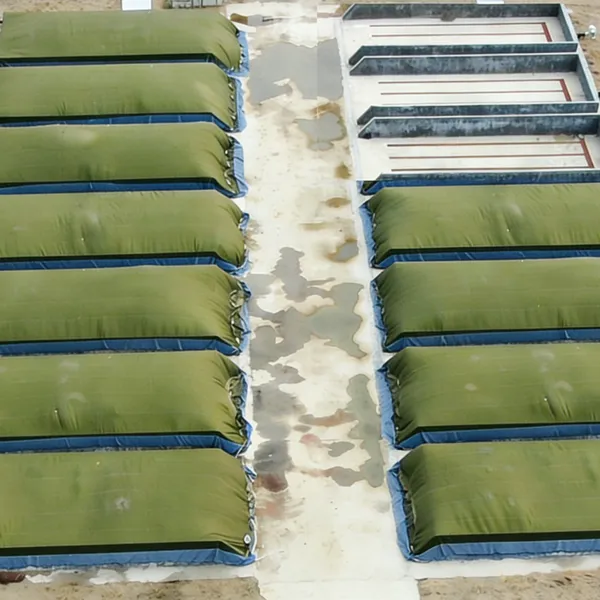 Read More
 -
ePTFE semi-permeable membrane aerobic fermentation of domestic waste into organic fertilizer gegood
June 12, 2026ePTFE semi-permeable membrane aerobic fermentation of domestic waste into organic fertilizerEnglish VersionThis paper focuses on t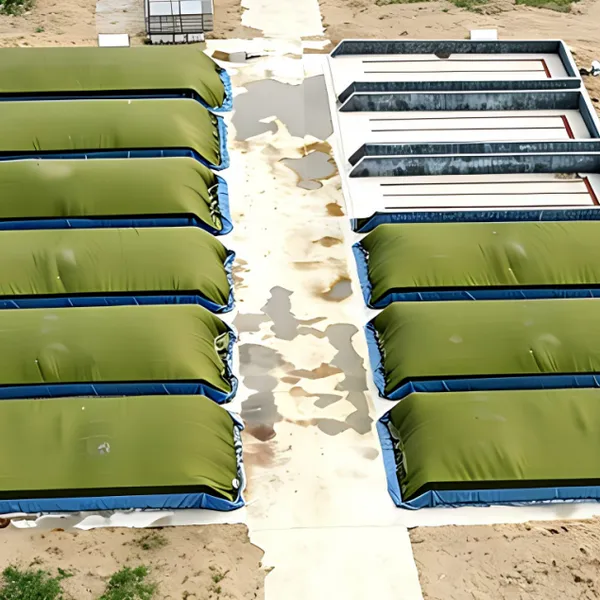 Read More

Contact Us
Recommended Products
-
 Gegood Fermentation of Household Waste Using PTFE Semi-permeable Membrane for Treatment CoverUS$ 5000MOQ: 1 Set
 -
Ferment Organic Fertilizer From Household Waste Using PTFE Semi-permeable Membrane of CoverUS$ 5000MOQ: 1 Set
-
Gegood Fermentation of Household Waste Using PTFE Semi-permeable Membrane for Treatment CoverUS$ 5000MOQ: 1 Set
-
Cover Gegood Fermentation of Household Waste Using PTFE Semi-permeable Membrane for TreatmentUS$ 5000MOQ: 1 Set
-
Aerobic Fermentation of Domestic Waste Using PTFE Semi-permeable Membrane of Gegood CoverUS$ 5000MOQ: 1 Set
-
Cover Gegood Fermentation of Household Waste Using PTFE Semi-permeable Membrane for TreatmentUS$ 5000MOQ: 1 Set
-
Ferment Organic Fertilizer From Household Waste Using PTFE Semi-permeable Membrane of CoverUS$ 5000MOQ: 1 Set
-
Cover Gegood Fermentation of Household Waste Using PTFE Semi-permeable Membrane for TreatmentUS$ 5000MOQ: 1 Set
-
PTFE Cover Semi-permeable Membrane Fermentation of Organic Fertilizer From Household WasteUS$ 5000MOQ: 1 Set
-
Gegood Cover Fermentation of Household Waste Using PTFE Semi-permeable Membrane for TreatmentUS$ 5000MOQ: 1 Set
-
Ferment Organic Fertilizer From Household Waste Using PTFE Semi-permeable Membrane Cover of GegoodUS$ 5000MOQ: 1 Set
-
Cover Fermentation of Household Waste Using PTFE Semi-permeable Membrane for TreatmentUS$ 5000MOQ: 1 Set
-
Gegood Ferment Organic Fertilizer Using PTFE Semi-permeable Membrane CoverUS$ 5000MOQ: 1 Set
-
Ferment Organic Fertilizer Using PTFE Semi-permeable Membrane Cover go reUS$ 5000MOQ: 1 Set
-
Aerobic Fermentation of Domestic Waste Using PTFE Semi-permeable Membrane go re CoverUS$ 5000MOQ: 1 Set
-
Ferment Organic Fertilizer Using PTFE Semi-permeable Membrane CoverUS$ 5000MOQ: 1 Set
-
Gegood Fermentation of Household Waste Using PTFE Semi-permeable Membrane for Treatment CoverUS$ 5000MOQ: 1 Set
-
Fermentation of Household Waste Using PTFE Semi-permeable Membrane Cover for TreatmentUS$ 5000MOQ: 1 Set
-
Gegood Cover Fermentation of Household Waste Using PTFE Semi-permeable Membrane for TreatmentUS$ 5000MOQ: 1 Set
-
Gegood Ferment Organic Fertilizer Using PTFE Semi-permeable Membrane CoverUS$ 5000MOQ: 1 Set