 Business License

Application of permeable PTFE membrane in household waste treatment
Application of Permeable PTFE Membrane in Household Waste Treatment
Permeable (mainly e‑PTFE) membranes are widely used in household waste treatment, leveraging their microporous permeability, hydrophobicity, chemical resistance, and durability to address odor, leachate, sludge, and flue gas issues while boosting resource recovery.
1. Key Properties of Permeable PTFE Membrane
Microporous structure (0.1–3 μm): Permits O₂, CO₂, water vapor passage; blocks liquids, solids, bacteria, and pathogens.
Hydrophobic & oleophobic: Repels water/oil; enables gas‑liquid separation and easy cleaning.
Chemical & thermal stability: Resists acids, alkalis, oils; withstands −200°C to 260°C (thermophilic composting, flue gas).
High permeability & selectivity: Balances aeration and odor containment; supports microbial activity.
Durability: 3–5 years service life (vs. 3–6 months for plastic film).
2. Core Applications in Household Waste
2.1 Organic Waste (Kitchen/Food Waste) – Aerobic Composting
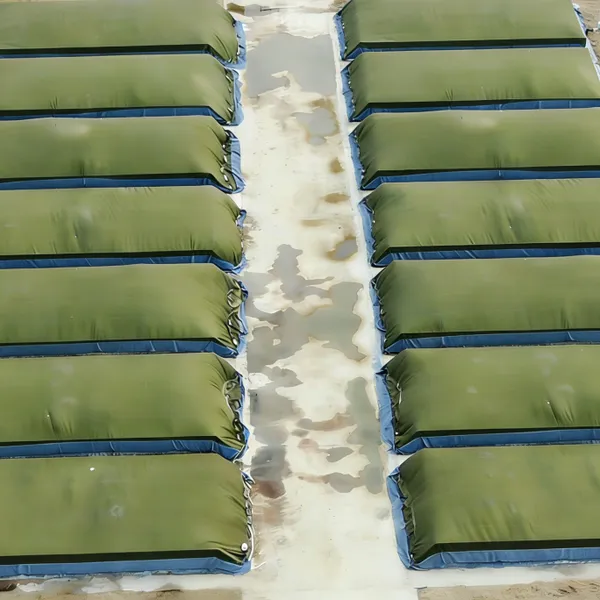
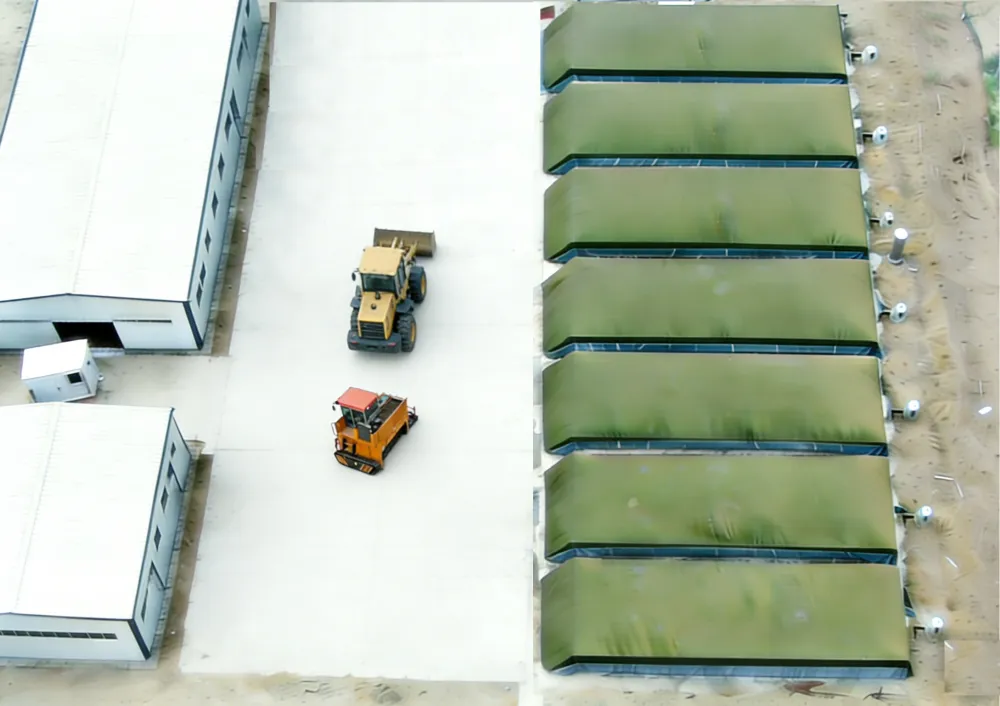
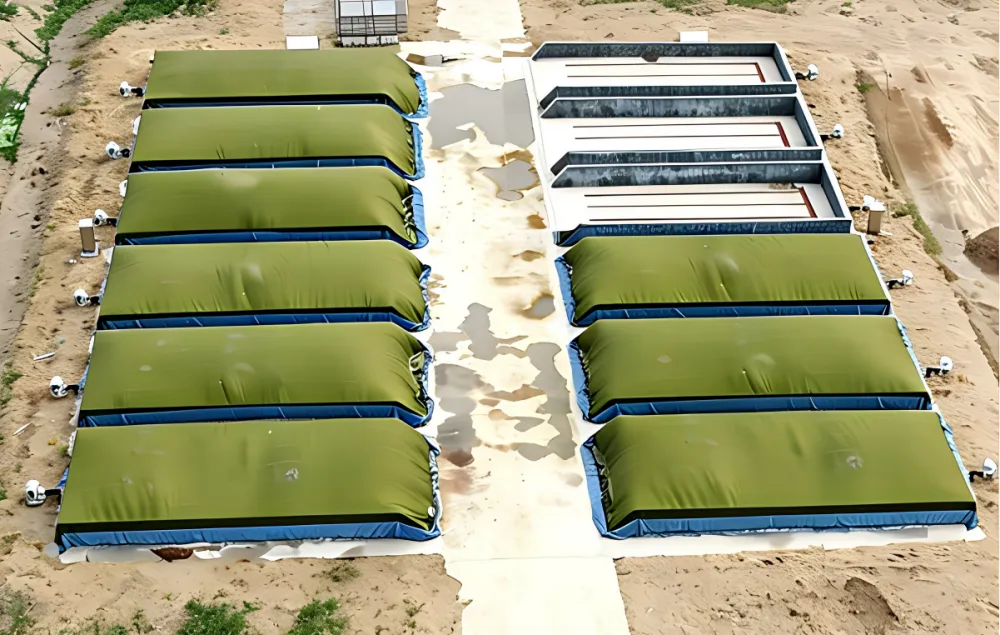
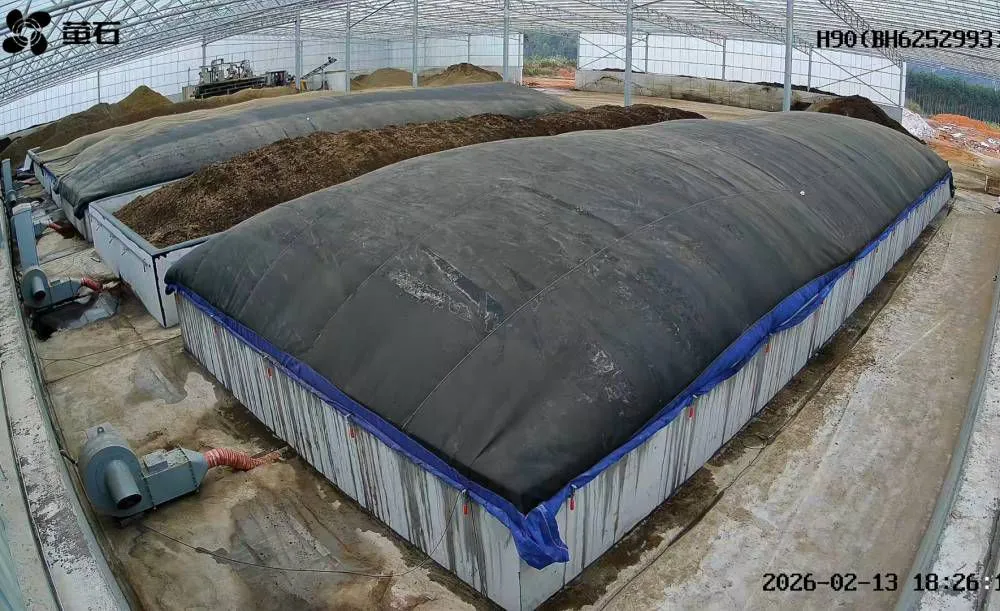
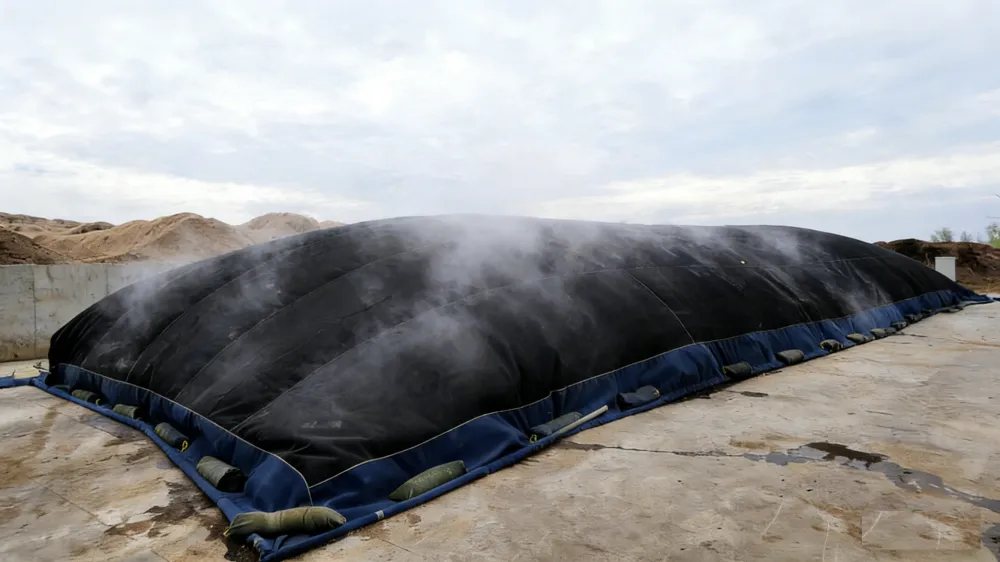
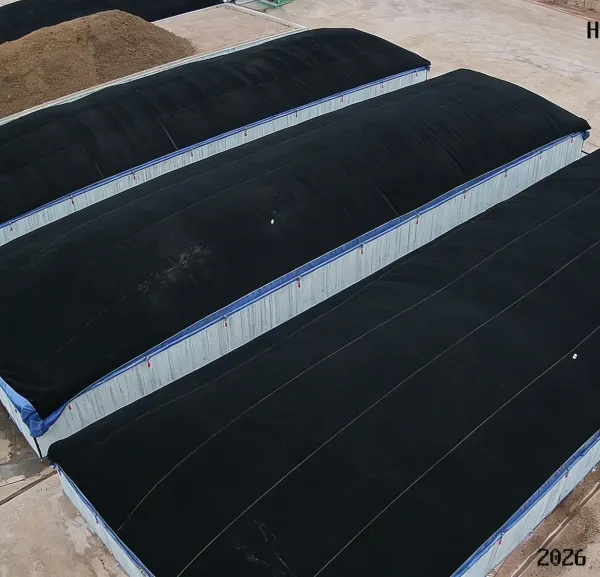
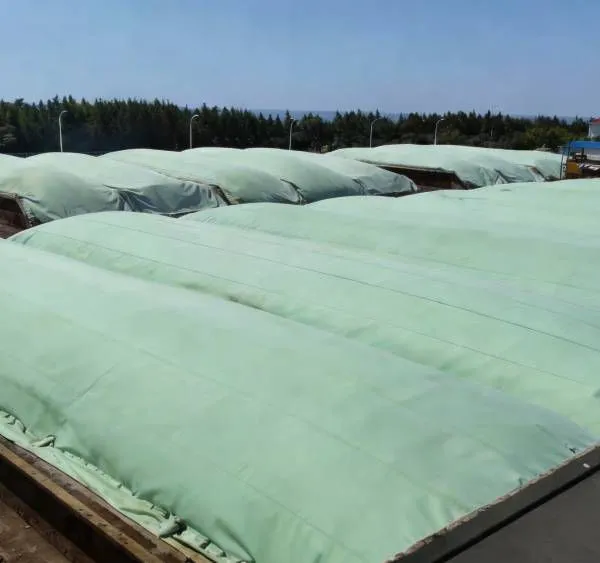
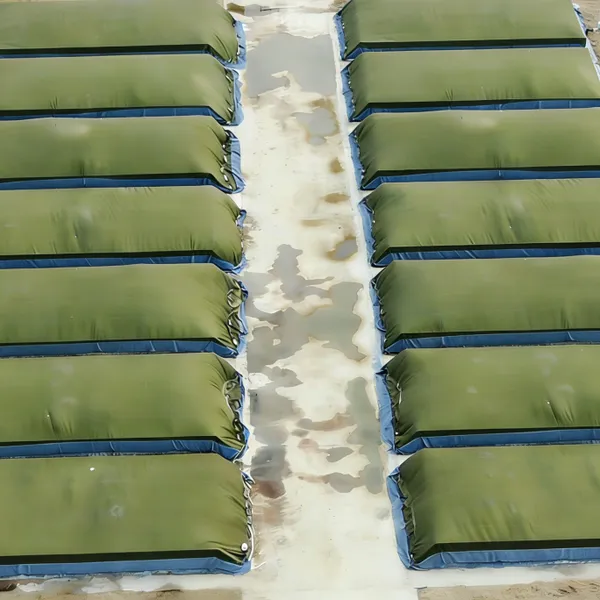
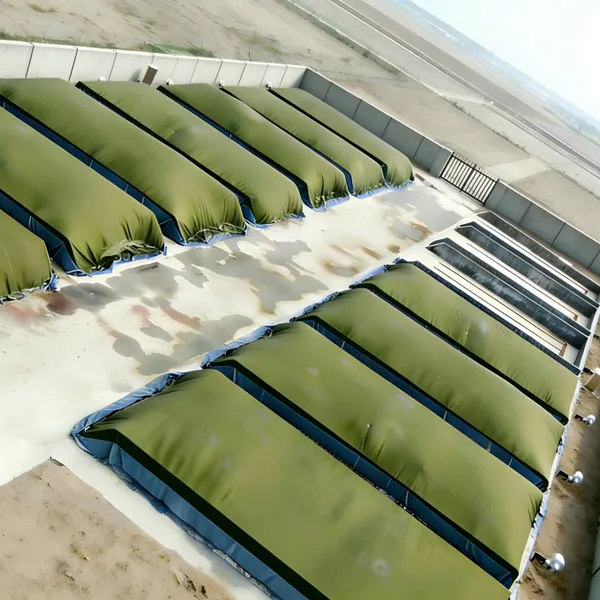
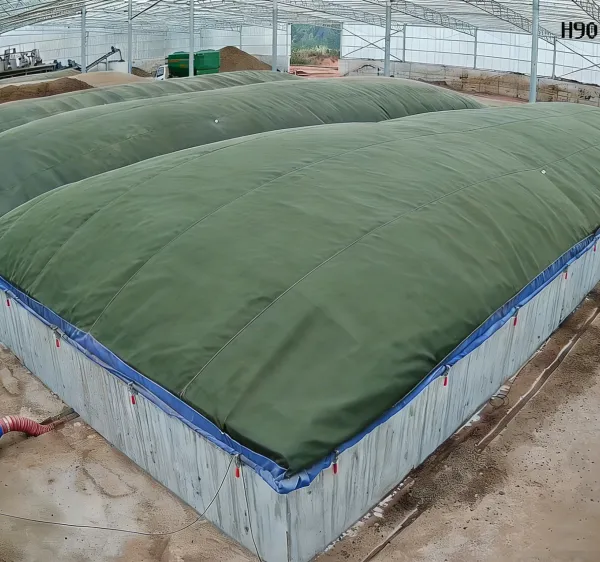
Most common use: e‑PTFE covers windrows/in‑vessels for controlled aerobic fermentation.
Odor control: Traps NH₃, H₂S, VOCs; 65–93% ammonia reduction via in‑situ biodegradation.
Leachate cut: Isolates rainwater; 70–90% less leachate.
Fast composting: Maintains 55–70°C (thermophilic) to kill pathogens/weeds; cycle 25–35 days (vs. 45–60 d traditional).
Nutrient retention: Reduces nitrogen loss; TN/TP/TK up 7–20%.
All‑weather operation: Works in rain/snow; no dilution.
2.2 Landfill Management
Landfill cover: Replaces plastic/clay; controls odor/dust, reduces methane, and isolates rainwater.
Intermediate cover: Enables continuous filling; minimizes leachate and emissions.
2.3 Leachate Treatment (Transfer Stations & Landfills)
PTFE‑MBR (Membrane Bioreactor): Hollow‑fiber PTFE for solid‑liquid separation; handles high‑strength, oily, and corrosive leachate.
Effluent quality: Low SS, BOD, ammonia; meets discharge/reuse standards.
Anti‑fouling: Resists organics/oils; tolerates pH 2–12; easy cleaning.
Case: Ningbo Yinzhou transfer station (75 t/d); 10–15% waste reduction, zero raw leachate discharge.
Membrane Distillation (MD): Hydrophobic PTFE rejects salts/organics; produces clean water for reuse.
2.4 Waste Incineration Flue Gas Treatment
PTFE‑laminated filter bags: For baghouses; surface filtration captures PM2.5/submicron particles (99.99% efficiency); emissions<5 mg/Nm³.
Dioxin & heavy metal control: Combines with activated carbon; >99% dioxin removal; mercury capture.
Catalytic filtration: GORE® DeNOx bags reduce NOₓ to<50 mg/Nm³; decomposes dioxins/furans.
2.5 Wastewater Treatment (Transfer Stations & Plants)
PTFE‑MBR: Treats on‑site domestic/process wastewater; lower sludge yield than conventional processes.
Reuse: Treated water for irrigation, flushing, site cleaning.
2.6 Sludge Dewatering & Drying
Sludge drying covers: e‑PTFE enclosures enable vapor release while retaining solids; reduces moisture from 80% to<40%; cuts disposal volume/weight.
3. Advantages Over Traditional Materials
| Aspect | Permeable PTFE | Plastic Film | Non‑woven Fabric | Open Treatment |
|---|---|---|---|---|
| Odor control | Excellent (65–93% reduction) | Poor | Fair | Severe |
| Leachate reduction | 70–90% | High | Moderate | Severe |
| Gas exchange | Selective & controlled | Impermeable | Unregulated | Uncontrolled |
| Temp. resistance | −200°C to 260°C | <60°C | <120°C | N/A |
| Service life | 3–5 years | 3–6 months | 6–12 months | N/A |
| All‑weather use | Yes | No | Limited | No |
4. Challenges & Mitigation
High upfront cost: Offset by 3–5 year life, lower O&M, and avoided pollution fines.
Membrane fouling: Regular high‑pressure washing; periodic chemical cleaning (NaClO/acid).
Moisture imbalance: Smart sensors (temp/O₂/pressure) for auto‑aeration control.
5. Conclusion
Permeable PTFE (e‑PTFE) membranes enable efficient, clean, and resource‑oriented household waste treatment. They solve critical issues (odor, leachate, pathogens, emissions) in composting, landfilling, incineration, and leachate/wastewater treatment. With stricter environmental regulations, PTFE membrane technology will see broader adoption for harmless, reduced, and recycled household waste management.
Recently Posted
-
ePTFE semi-permeable membrane aerobic fermentation of domestic waste into organic fertilizer GG
June 12, 2026ePTFE semi-permeable membrane aerobic fermentation of domestic waste into organic fertilizerEnglish VersionThis paper focuses on t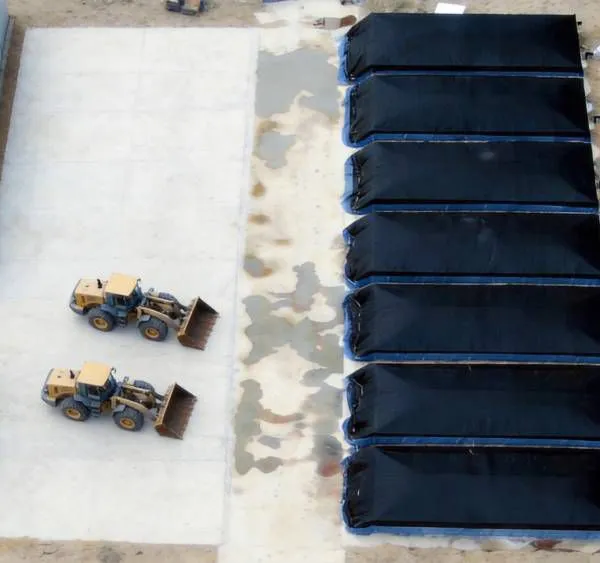 Read More
 -
USE ePTFE semi-permeable membrane aerobic fermentation of domestic waste into organic fertilizer
June 12, 2026ePTFE semi-permeable membrane aerobic fermentation of domestic waste into organic fertilizerEnglish VersionThis paper focuses on t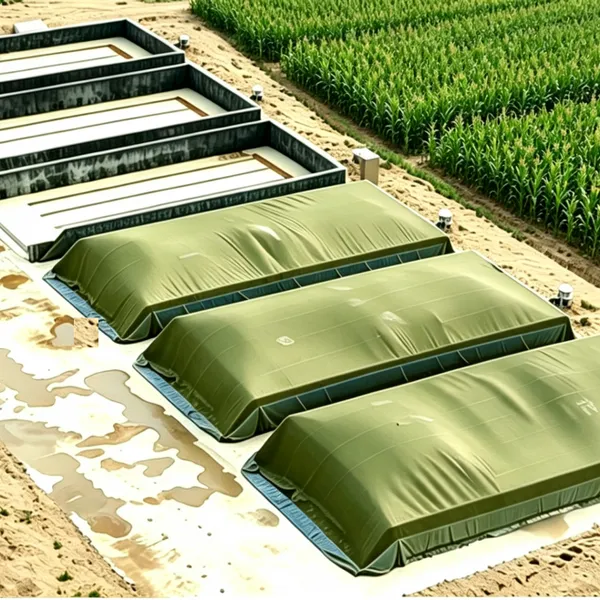 Read More
 -
gegood ePTFE semi-permeable membrane aerobic fermentation of domestic waste into organic fertilizer
June 12, 2026ePTFE semi-permeable membrane aerobic fermentation of domestic waste into organic fertilizerEnglish VersionThis paper focuses on t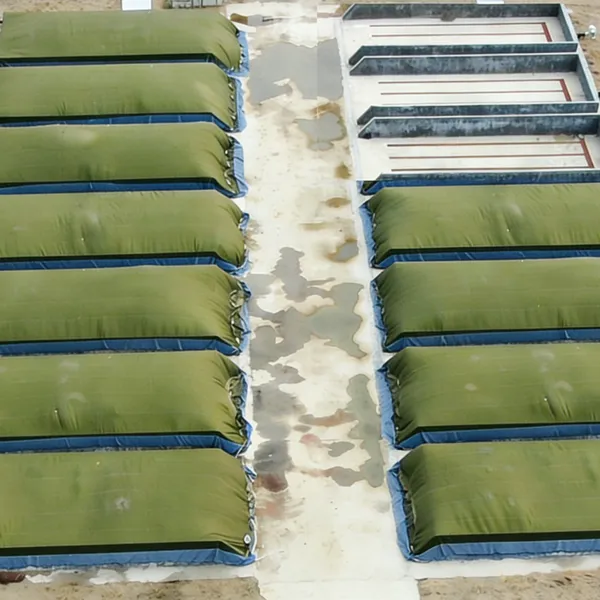 Read More
 -
ePTFE semi-permeable membrane aerobic fermentation of domestic waste into organic fertilizer gegood
June 12, 2026ePTFE semi-permeable membrane aerobic fermentation of domestic waste into organic fertilizerEnglish VersionThis paper focuses on t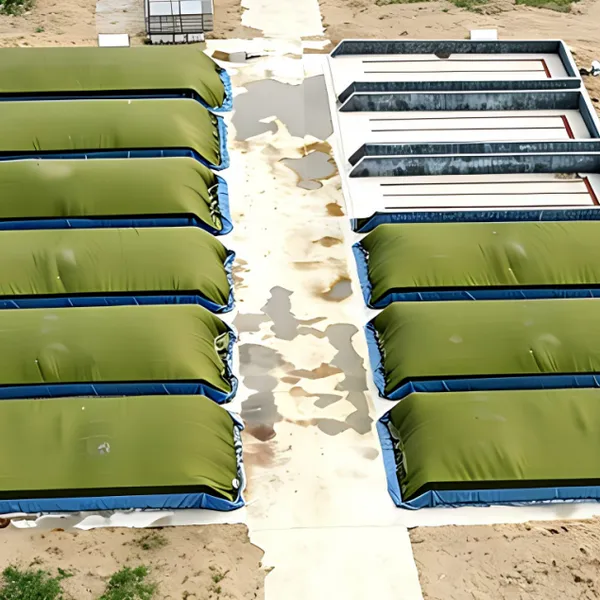 Read More

Contact Us
Recommended Products
-
 Gegood Fermentation of Household Waste Using PTFE Semi-permeable Membrane for Treatment CoverUS$ 5000MOQ: 1 Set
 -
Ferment Organic Fertilizer From Household Waste Using PTFE Semi-permeable Membrane of CoverUS$ 5000MOQ: 1 Set
-
Gegood Fermentation of Household Waste Using PTFE Semi-permeable Membrane for Treatment CoverUS$ 5000MOQ: 1 Set
-
Cover Gegood Fermentation of Household Waste Using PTFE Semi-permeable Membrane for TreatmentUS$ 5000MOQ: 1 Set
-
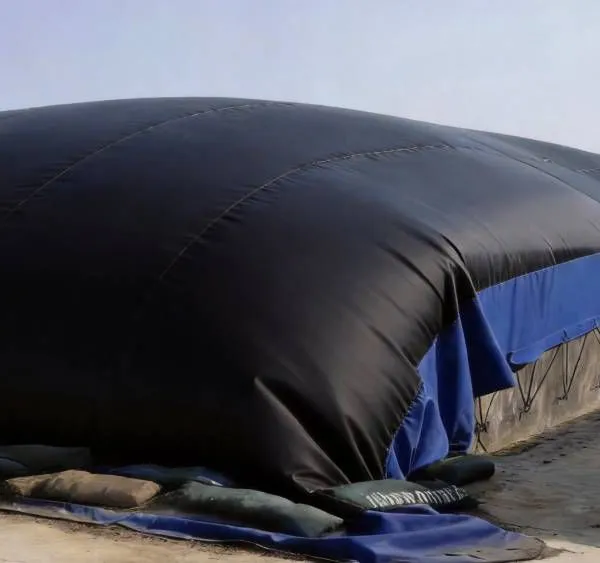
Aerobic Fermentation of Domestic Waste Using PTFE Semi-permeable Membrane of Gegood CoverUS$ 5000MOQ: 1 Set
-
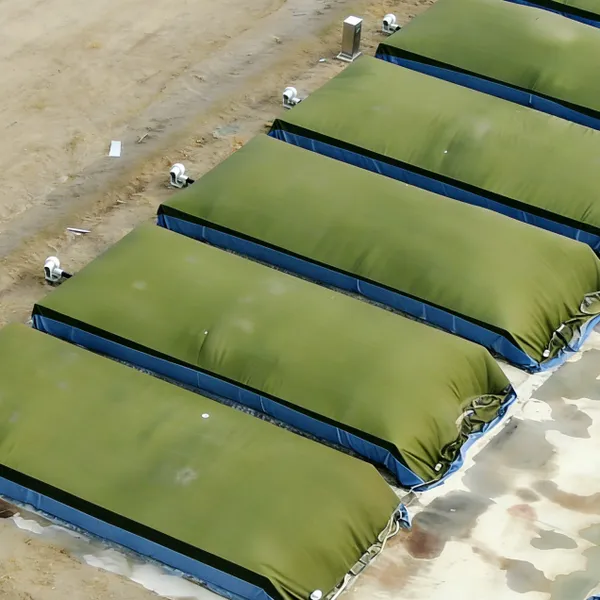
Cover Gegood Fermentation of Household Waste Using PTFE Semi-permeable Membrane for TreatmentUS$ 5000MOQ: 1 Set
-
Ferment Organic Fertilizer From Household Waste Using PTFE Semi-permeable Membrane of CoverUS$ 5000MOQ: 1 Set
-
Cover Gegood Fermentation of Household Waste Using PTFE Semi-permeable Membrane for TreatmentUS$ 5000MOQ: 1 Set
-
PTFE Cover Semi-permeable Membrane Fermentation of Organic Fertilizer From Household WasteUS$ 5000MOQ: 1 Set
-
Gegood Cover Fermentation of Household Waste Using PTFE Semi-permeable Membrane for TreatmentUS$ 5000MOQ: 1 Set
-
Ferment Organic Fertilizer From Household Waste Using PTFE Semi-permeable Membrane Cover of GegoodUS$ 5000MOQ: 1 Set
-
Cover Fermentation of Household Waste Using PTFE Semi-permeable Membrane for TreatmentUS$ 5000MOQ: 1 Set
-
Gegood Ferment Organic Fertilizer Using PTFE Semi-permeable Membrane CoverUS$ 5000MOQ: 1 Set
-
Ferment Organic Fertilizer Using PTFE Semi-permeable Membrane Cover go reUS$ 5000MOQ: 1 Set
-
Aerobic Fermentation of Domestic Waste Using PTFE Semi-permeable Membrane go re CoverUS$ 5000MOQ: 1 Set
-
Ferment Organic Fertilizer Using PTFE Semi-permeable Membrane CoverUS$ 5000MOQ: 1 Set
-
Gegood Fermentation of Household Waste Using PTFE Semi-permeable Membrane for Treatment CoverUS$ 5000MOQ: 1 Set
-
Fermentation of Household Waste Using PTFE Semi-permeable Membrane Cover for TreatmentUS$ 5000MOQ: 1 Set
-
Gegood Cover Fermentation of Household Waste Using PTFE Semi-permeable Membrane for TreatmentUS$ 5000MOQ: 1 Set
-
Gegood Ferment Organic Fertilizer Using PTFE Semi-permeable Membrane CoverUS$ 5000MOQ: 1 Set