 Business License

Application of permeable PTFE membrane in household waste treatment
Application of permeable PTFE membrane in household waste treatment
1. Introduction
With the acceleration of urbanization and the continuous improvement of residents' living standards, the output of urban household waste has increased year by year, bringing severe challenges to urban environmental governance. Traditional household waste treatment technologies, including landfill, incineration and aerobic composting, often face prominent problems such as low pollutant removal efficiency, secondary pollution, short service life of treatment equipment and high operating costs. Permeable polytetrafluoroethylene (PTFE) membrane, especially expanded PTFE (ePTFE) porous membrane, has become an advanced functional material for household waste treatment by virtue of its unique node-fibril microporous structure, excellent hydrophobic and air permeability, extreme chemical stability, high temperature resistance and mechanical durability. Different from dense impermeable PTFE materials, permeable PTFE membranes have uniformly distributed micro-pores (0.2–0.4 μm in conventional specifications), which can realize selective separation of gas, water and solid particles. It has been widely applied in key links of household waste treatment such as landfill leachate purification, waste incineration flue gas filtration, aerobic composting deodorization and waste water recycling, effectively making up for the defects of traditional treatment processes and promoting the green and efficient development of household waste disposal industry.
2. Core Properties of Permeable PTFE Membrane for Household Waste Treatment
The excellent application performance of permeable PTFE membrane in household waste treatment is derived from its unique structural and material characteristics, which are highly matched with the complex and harsh working conditions of waste disposal scenarios.
First, efficient selective permeability. The micro-scale porous structure of permeable PTFE membrane allows water vapor and air to pass through smoothly, while intercepting solid particles, macromolecular pollutants and harmful suspended matter. Its special gas-water separation and solid-liquid separation capabilities realize the dual effects of ventilation and pollution interception, which is the core advantage distinguishing it from traditional filter materials such as fiber felt and non-woven fabric.
Second, extreme environmental adaptability. PTFE material has excellent chemical inertness, resisting corrosion from acidic, alkaline and oily pollutants in household waste, such as hydrogen chloride, sulfur dioxide and heavy metal compounds in waste incineration flue gas, and complex organic pollutants in landfill leachate. It can work stably in a wide pH range of 2–12, and has outstanding high temperature resistance, adapting to the high-temperature flue gas environment of waste incineration. In addition, the membrane surface is smooth and non-sticky, with low surface adhesion, which effectively avoids pollutant adhesion and clogging, and greatly extends the service life and cleaning cycle of the membrane material.
Third, high mechanical strength and durability. The stretched and sintered ePTFE membrane forms a stable fibril network structure, which has good tensile strength and wear resistance. It can withstand frequent pulse cleaning and long-term continuous operation in waste treatment equipment, avoiding structural damage and performance attenuation caused by external force extrusion and environmental erosion, and reducing the frequency of equipment replacement and maintenance costs.
3. Key Applications in Household Waste Treatment
3.1 Purification of Landfill Leachate
Landfill leachate is a high-concentration organic wastewater produced by rainwater leaching and waste decomposition in household waste landfills, containing a large number of organic pollutants, heavy metal ions and suspended solids, which is easy to cause soil and groundwater pollution. Permeable PTFE membrane is an ideal core material for leachate advanced treatment, and is mainly used in membrane bioreactor (MBR) systems. Compared with traditional PVDF and PE membrane materials, PTFE permeable membrane has stronger anti-pollution ability and chemical stability, and can operate stably for a long time in high-salinity and high-organic wastewater environments. It can effectively intercept activated sludge, macromolecular organic matter and suspended impurities in leachate, improve the biodegradation efficiency of pollutants, and reduce the concentration of COD, ammonia nitrogen and total nitrogen in effluent. The treated effluent can reach the standard of reclaimed water reuse, realizing resource recycling of landfill leachate and reducing environmental discharge pressure.
3.2 Ultra-low Emission Filtration of Waste Incineration Flue Gas
Household waste incineration is an important waste reduction and energy recovery technology, but its flue gas contains particulate matter, dioxins, heavy metals, acidic gases and other pollutants, which is the key source of atmospheric pollution. Permeable PTFE composite filter membrane is widely used in flue gas purification of waste incineration plants. By laminating the PTFE microporous membrane on the surface of high-temperature resistant needle felt substrate, a composite filter material is formed. The microporous structure of the membrane can realize absolute interception of fine particles, capturing almost all dust particles in flue gas, and controlling particulate matter emission below 5mg/Nm³, meeting ultra-low emission standards. Meanwhile, the unique structural characteristics of PTFE membrane can assist catalytic denitrification, enabling nitrogen oxide emission to be stabilized below 50mg/Nm³. In addition, the smooth non-stick surface of the membrane makes the dust cake formed on the surface easy to be removed by pulse jet cleaning, avoiding filter material clogging, maintaining stable air permeability and filtration efficiency for a long time, and effectively capturing dioxins and heavy metal droplets in flue gas to realize comprehensive flue gas purification.
3.3 Aerobic Composting Deodorization and Quality Improvement
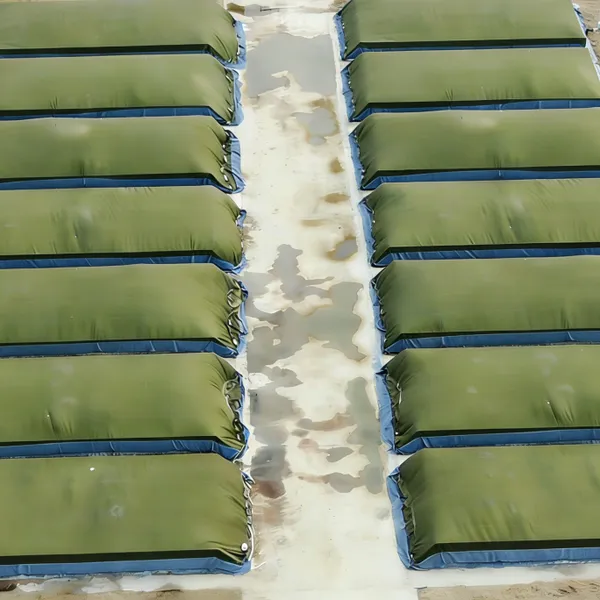
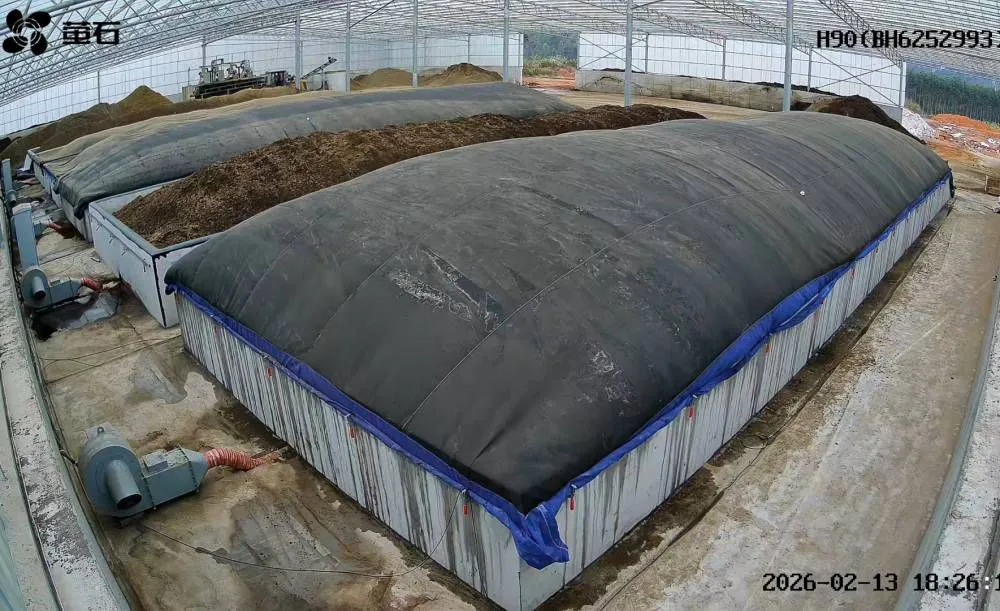
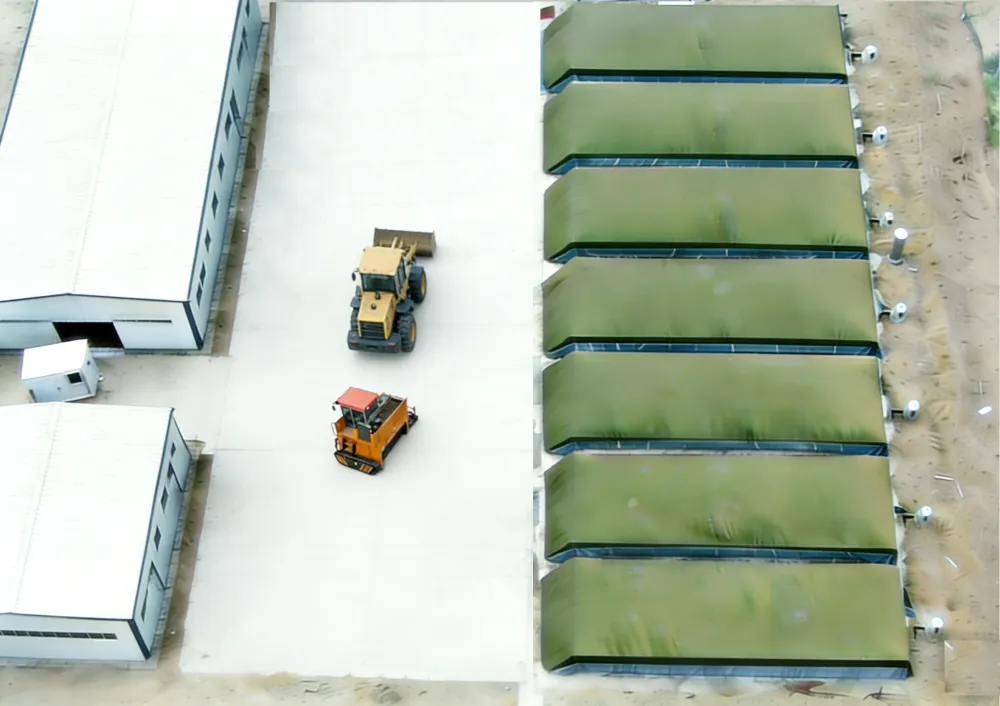
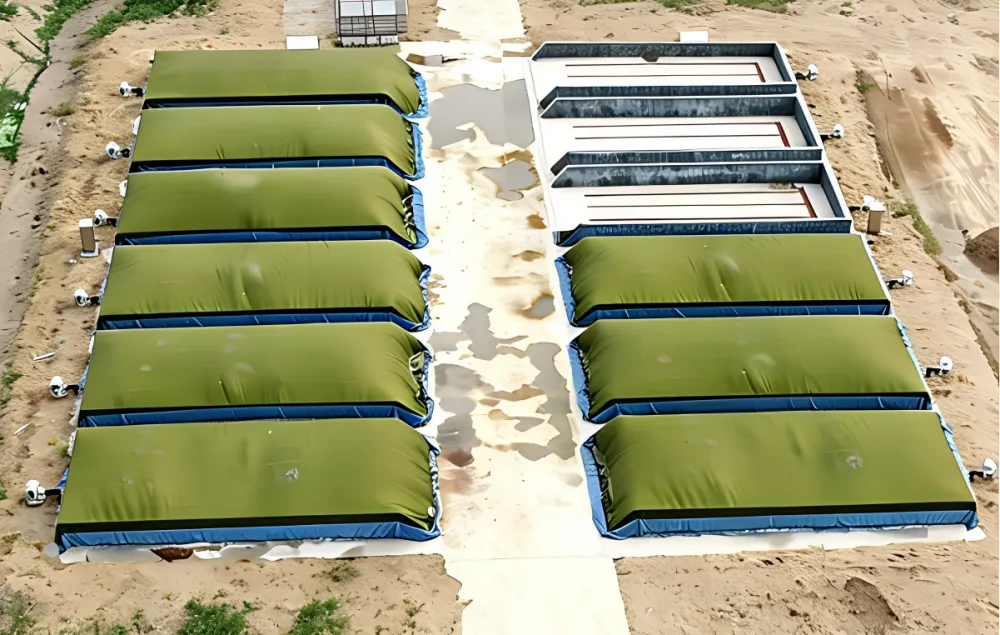
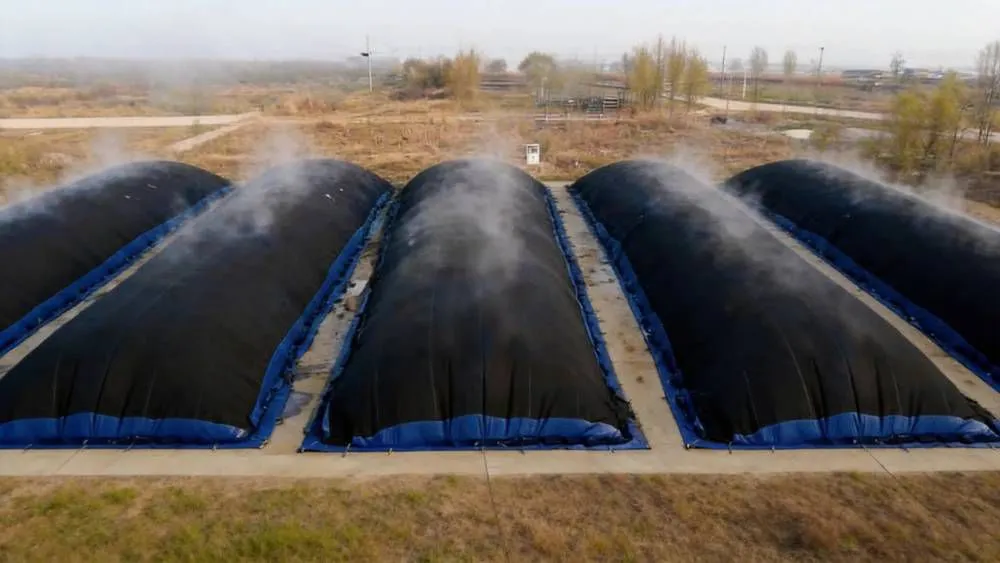
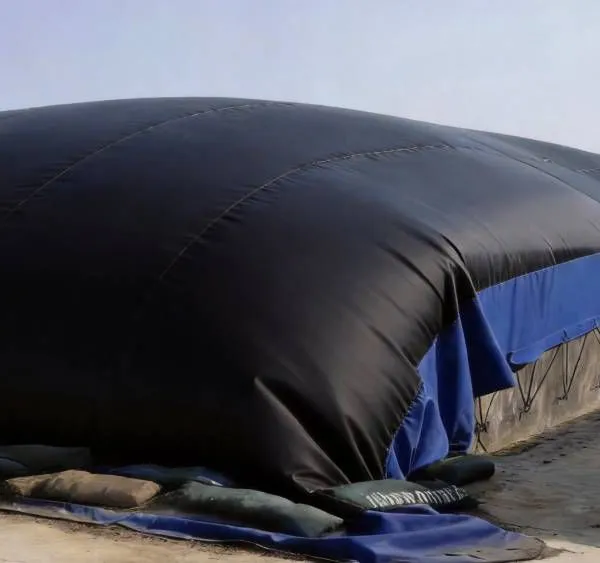
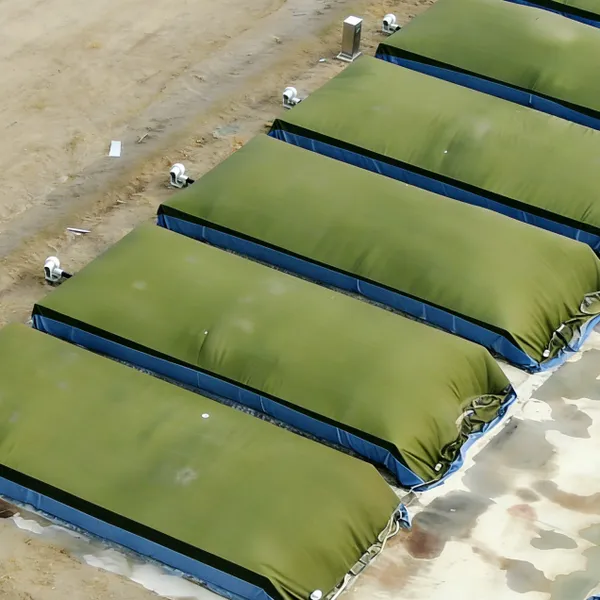
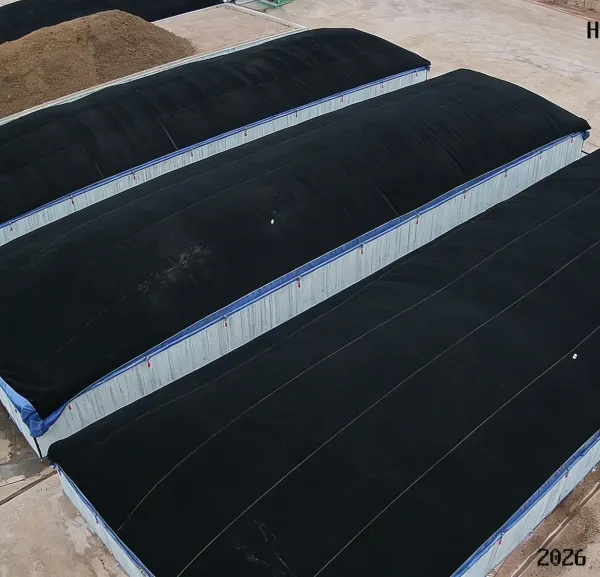
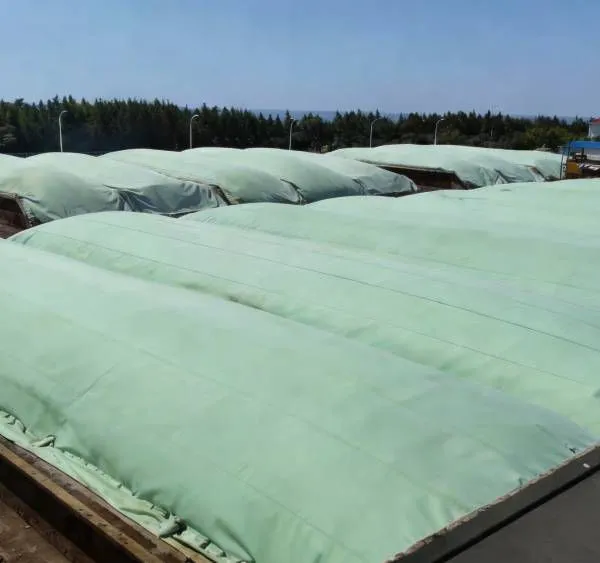
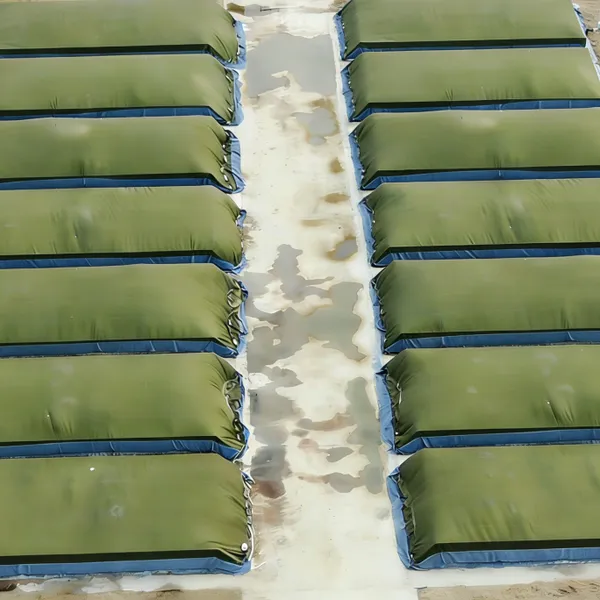
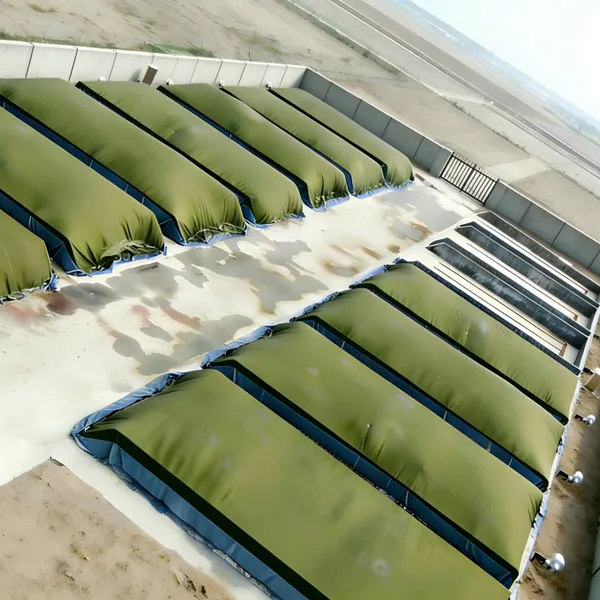
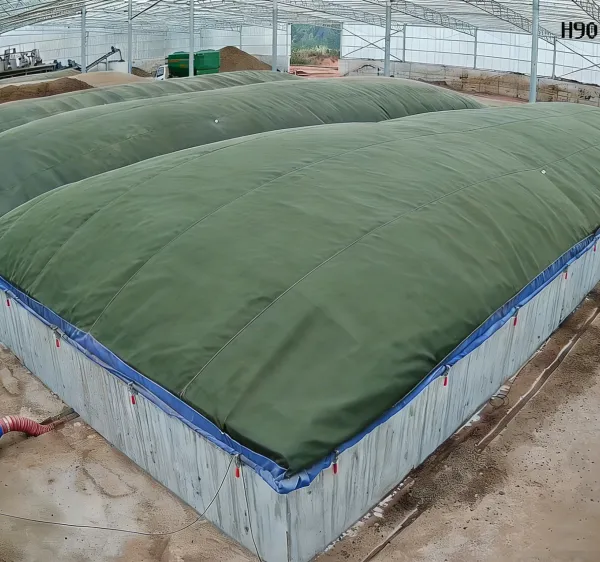
Aerobic composting is a common harmless and resourceful treatment technology for kitchen waste and garden waste in household waste. However, the decomposition of organic waste will produce malodorous gases such as ammonia and hydrogen sulfide, which cause air pollution and affect the surrounding environment. Permeable PTFE membrane covering technology has become an effective means to optimize composting treatment. The micropores of PTFE permeable membrane can discharge water vapor and carbon dioxide generated during composting in time to maintain the aerobic environment required for microbial fermentation, while effectively intercepting odor molecules and preventing outward diffusion. Relevant studies show that PTFE membrane covering can significantly reduce ammonia emission during composting, retain nitrogen, phosphorus, potassium and other nutrient elements in the compost, improve the nutrient content of compost products, and reduce the frequency of manual deodorization and environmental management. At the same time, the membrane can isolate external rainwater, avoid compost water accumulation and anaerobic deterioration, and improve the efficiency and quality of waste composting.
3.4 Solid-Liquid Separation and Drying of Humid Household Waste
Kitchen waste and fecal sludge in household waste have high water content, which is not conducive to transportation, storage and subsequent resource treatment. Permeable PTFE membrane laminated materials are used in the drying and solid-liquid separation of humid waste. The hydrophobic and breathable characteristics of the membrane allow internal water vapor to evaporate and discharge outward, while locking solid waste and liquid water inside the container. This technology can effectively reduce the water content of humid household waste, significantly reduce the frequency of waste container emptying and transportation costs, and avoid secondary pollution caused by waste leakage during transportation. It is especially suitable for decentralized household waste treatment scenarios in urban communities and rural areas, providing a simple and efficient solution for source reduction of humid waste.
4. Advantages of Permeable PTFE Membrane in Household Waste Treatment
Compared with traditional waste treatment filter and separation materials, permeable PTFE membrane has comprehensive performance advantages in practical application. Firstly, it has ultra-high filtration precision, which can intercept fine pollutants that cannot be removed by traditional materials, realizing higher-standard pollutant emission control and waste resource purification. Secondly, it has strong anti-fouling and anti-corrosion ability, adapting to the complex and harsh chemical environment of household waste treatment, with stable performance and no easy aging or damage, and the service life is 2–3 times that of traditional fiber filter materials. Thirdly, it has low operating cost. The self-cleaning performance of the membrane reduces the frequency of equipment cleaning and replacement, and the stable permeability ensures continuous and efficient operation of the treatment system, saving energy consumption and manual maintenance costs. Fourthly, it has wide application adaptability, covering multiple links of household waste landfill, incineration, composting and source pretreatment, and can form a diversified and integrated waste treatment system according to different waste types and treatment processes.
5. Existing Problems and Development Prospects
At present, the popularization and application of permeable PTFE membrane in household waste treatment still have certain limitations. The high production cost of high-precision ePTFE membrane increases the initial investment of waste treatment equipment, restricting its large-scale promotion in small and medium-sized waste treatment projects. In addition, in the face of high-viscosity organic waste and complex mixed waste pollution, the membrane surface still has a slight risk of partial pore blockage after long-term operation, which requires regular professional maintenance.
In the future, with the continuous progress of membrane material modification and manufacturing technology, the cost of permeable PTFE membrane will be further reduced. Functional modification technologies such as biochar composite and antibacterial coating will further improve the anti-fouling, antibacterial and deodorant performance of the membrane. Meanwhile, the integrated application of PTFE membrane technology with intelligent waste treatment equipment will realize automatic monitoring and cleaning of membrane operation status, further improve the efficiency and intelligence level of household waste treatment. As the national environmental protection emission standards become increasingly strict, permeable PTFE membrane, as an efficient and environmentally friendly functional material, will have broader application prospects in the fields of household waste reduction, harmless treatment and resource utilization.
6. Conclusion
Permeable PTFE membrane relies on its unique microporous permeability, excellent chemical stability, high temperature resistance and self-cleaning performance, and has achieved effective application in landfill leachate purification, waste incineration flue gas ultra-low emission, composting deodorization and humid waste drying in household waste treatment. It solves the bottleneck problems of low purification efficiency, easy secondary pollution and short service life of traditional treatment technologies, and provides a reliable technical support for the green and efficient treatment of urban household waste. With the continuous optimization of material performance and reduction of application cost, permeable PTFE membrane will become one of the core key materials in the field of household waste environmental governance, and play an important role in promoting the sustainable development of urban ecological environment.
Recently Posted
-
ePTFE semi-permeable membrane aerobic fermentation of domestic waste into organic fertilizer GG
June 12, 2026ePTFE semi-permeable membrane aerobic fermentation of domestic waste into organic fertilizerEnglish VersionThis paper focuses on t Read More
 -
USE ePTFE semi-permeable membrane aerobic fermentation of domestic waste into organic fertilizer
June 12, 2026ePTFE semi-permeable membrane aerobic fermentation of domestic waste into organic fertilizerEnglish VersionThis paper focuses on t Read More
 -
gegood ePTFE semi-permeable membrane aerobic fermentation of domestic waste into organic fertilizer
June 12, 2026ePTFE semi-permeable membrane aerobic fermentation of domestic waste into organic fertilizerEnglish VersionThis paper focuses on t Read More
 -
ePTFE semi-permeable membrane aerobic fermentation of domestic waste into organic fertilizer gegood
June 12, 2026ePTFE semi-permeable membrane aerobic fermentation of domestic waste into organic fertilizerEnglish VersionThis paper focuses on t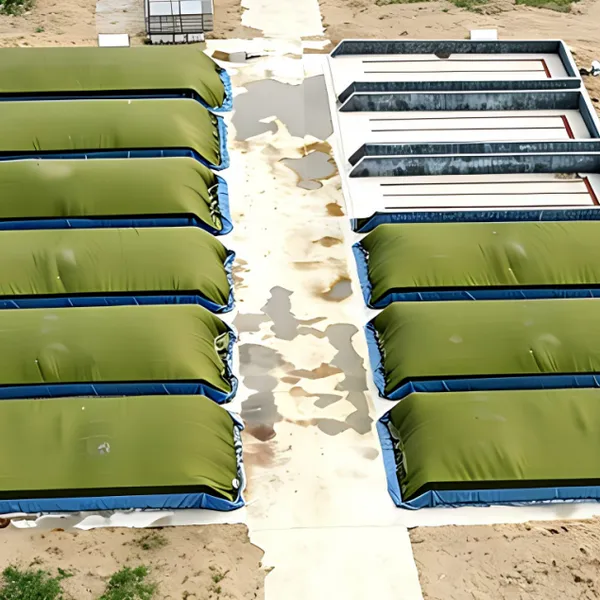 Read More

Contact Us
Recommended Products
-
 Gegood Fermentation of Household Waste Using PTFE Semi-permeable Membrane for Treatment CoverUS$ 5000MOQ: 1 Set
 -
Ferment Organic Fertilizer From Household Waste Using PTFE Semi-permeable Membrane of CoverUS$ 5000MOQ: 1 Set
-
Gegood Fermentation of Household Waste Using PTFE Semi-permeable Membrane for Treatment CoverUS$ 5000MOQ: 1 Set
-
Cover Gegood Fermentation of Household Waste Using PTFE Semi-permeable Membrane for TreatmentUS$ 5000MOQ: 1 Set
-
Aerobic Fermentation of Domestic Waste Using PTFE Semi-permeable Membrane of Gegood CoverUS$ 5000MOQ: 1 Set
-
Cover Gegood Fermentation of Household Waste Using PTFE Semi-permeable Membrane for TreatmentUS$ 5000MOQ: 1 Set
-
Ferment Organic Fertilizer From Household Waste Using PTFE Semi-permeable Membrane of CoverUS$ 5000MOQ: 1 Set
-
Cover Gegood Fermentation of Household Waste Using PTFE Semi-permeable Membrane for TreatmentUS$ 5000MOQ: 1 Set
-
PTFE Cover Semi-permeable Membrane Fermentation of Organic Fertilizer From Household WasteUS$ 5000MOQ: 1 Set
-
Gegood Cover Fermentation of Household Waste Using PTFE Semi-permeable Membrane for TreatmentUS$ 5000MOQ: 1 Set
-
Ferment Organic Fertilizer From Household Waste Using PTFE Semi-permeable Membrane Cover of GegoodUS$ 5000MOQ: 1 Set
-
Cover Fermentation of Household Waste Using PTFE Semi-permeable Membrane for TreatmentUS$ 5000MOQ: 1 Set
-
Gegood Ferment Organic Fertilizer Using PTFE Semi-permeable Membrane CoverUS$ 5000MOQ: 1 Set
-
Ferment Organic Fertilizer Using PTFE Semi-permeable Membrane Cover go reUS$ 5000MOQ: 1 Set
-
Aerobic Fermentation of Domestic Waste Using PTFE Semi-permeable Membrane go re CoverUS$ 5000MOQ: 1 Set
-
Ferment Organic Fertilizer Using PTFE Semi-permeable Membrane CoverUS$ 5000MOQ: 1 Set
-
Gegood Fermentation of Household Waste Using PTFE Semi-permeable Membrane for Treatment CoverUS$ 5000MOQ: 1 Set
-
Fermentation of Household Waste Using PTFE Semi-permeable Membrane Cover for TreatmentUS$ 5000MOQ: 1 Set
-
Gegood Cover Fermentation of Household Waste Using PTFE Semi-permeable Membrane for TreatmentUS$ 5000MOQ: 1 Set
-
Gegood Ferment Organic Fertilizer Using PTFE Semi-permeable Membrane CoverUS$ 5000MOQ: 1 Set